






Switch to a Gentler Cleanser
That foaming cleanser you loved in the summer might be too harsh for winter. Cold weather can weaken your skin's protective barrier, and stripping it further with aggressive soaps can worsen dryness and irritation. Dermatologists recommend switching to a cream-based
or hydrating cleanser during colder months. These gentler formulas clean your skin without removing its natural oils. Look for products with ingredients like ceramides, which help restore the skin's barrier, and glycerin, a humectant that attracts moisture. Also, be mindful of water temperature; long, hot showers can strip your skin's natural oils. Opt for shorter, lukewarm showers to keep your skin's moisture intact.
Moisturise on Damp Skin
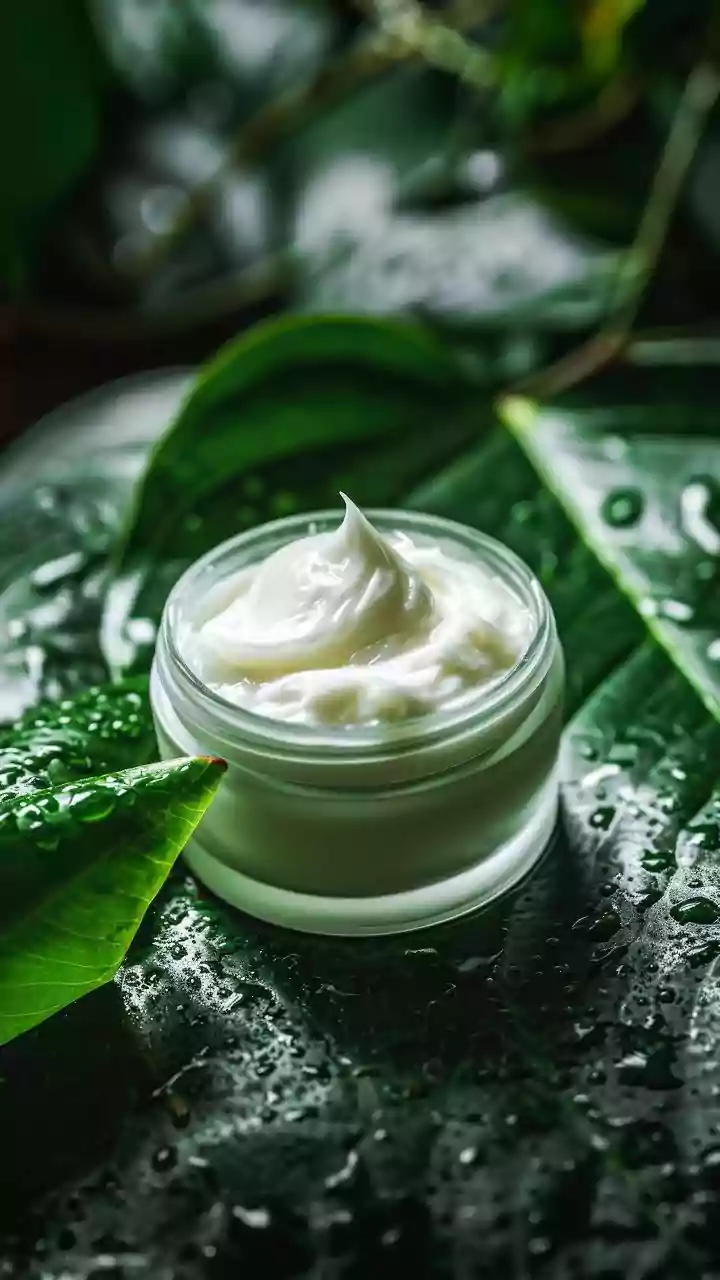
The most effective time to apply moisturiser is right after you wash, while your skin is still slightly damp. This simple trick helps to lock in the water your skin has just absorbed, preventing it from evaporating into the dry air. For winter, consider swapping your lightweight lotion for a thicker cream or ointment. A good rule of thumb is that if a moisturiser is thin enough to come in a pump bottle, it may not be sufficient for very dry winter skin. Look for hardworking ingredients like hyaluronic acid, which can hold up to 1,000 times its weight in water, and shea butter, which provides deep hydration and creates a protective barrier. Applying it several times a day, not just in the morning, is crucial for repairing the skin barrier.
Never Skip Sunscreen
It can be tempting to put your sunscreen away when the days get shorter and cloudier, but this is a common mistake. Harmful UV rays are present all year round, and they can still damage your skin's moisture barrier even in winter. Snow can even reflect sunlight, increasing your exposure. To keep your skin protected, dermatologists recommend applying a broad-spectrum sunscreen with an SPF of 30 or higher every single morning. You can layer it over your moisturiser or choose a moisturising sunscreen to combine steps. Consistent sunscreen use is one of the best long-term strategies for maintaining skin health and resilience against environmental stressors.
Use a Humidifier
One of the biggest culprits of dry winter skin is the dry air inside our homes. Central heating warms the air but also removes its moisture, which in turn draws moisture out of your skin. A simple and effective way to counteract this is to use a humidifier. Humidifiers add moisture back into the air, helping to prevent and relieve skin dryness. Running one in your bedroom overnight is particularly beneficial, as it gives your skin hours to recover in a less harsh environment. Experts suggest this can help soothe dryness not just on your face, but also for your eyes and nose.
Hydrate From the Inside Out
What you put into your body is just as important as what you put on your skin. Staying hydrated by drinking enough water throughout the day helps keep your skin supple from within. While warm drinks are comforting in winter, be mindful of excess caffeine from coffee and tea, which can be dehydrating. Try to incorporate water-rich foods into your diet, such as cucumbers, oranges, and watermelon, to give your skin an extra hydration boost. Protecting your skin barrier also means providing it with the right nutrients, and internal hydration is a foundational step.
Protect Your Skin from the Elements
Your skin, especially on your hands and lips, is vulnerable to cold wind and dry air. The skin on these areas is thinner and more exposed, often showing the first signs of winter dryness. Make it a habit to wear gloves when you go outside to shield your hands. Regularly apply a protective lip balm to prevent chapping. The fabric of your clothes also matters. Scratchy materials like wool can irritate already sensitive skin. Try to wear soft, breathable fabrics like cotton directly against your skin, or layer a cotton shirt underneath your favourite woollen jumper to minimise irritation.