
The Problem with Produce Lists
Seasonal produce calendars are a wonderful idea in theory. They encourage us to eat fresh, support local farmers, and align our diets with nature's rhythm. However, a generic chart that simply lists 'carrots', 'spinach', and 'bottle gourd' is only half
the story. It provides the 'what' but completely ignores the 'how'. In a country with culinary traditions as deep and diverse as India, this is a significant oversight. The reality of an Indian kitchen is that meal planning rarely begins with a single, isolated vegetable. It begins with a meal in mind: a comforting dal for dinner, a quick sabzi for the tiffin box, or a festive dish for an upcoming celebration. A list that doesn't connect to these real-world applications is more of an academic exercise than a practical kitchen tool.
Thinking in Dishes, Not Just Ingredients
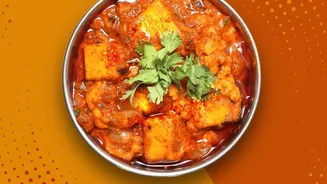
A more intuitive approach would be to frame the calendar around the meals we cook every day. Instead of just listing carrots as a winter vegetable, a useful guide would connect them to classic winter preparations like a rich Gajar ka Halwa or a hearty carrot and pea curry. The mention of spinach ('palak') in winter instantly brings to mind Sarson da Saag in the north or Palak Paneer across the country. This dish-centric mindset is how Indian cooking has always operated. Traditional diets naturally incorporated seasonal produce into everyday meals. For example, the arrival of monsoon brings a bounty of gourds, which are perfect for light, easily digestible curries that suit the humid weather. Thinking in dishes makes seasonal eating feel less like a chore and more like rediscovering a rich culinary heritage.
A Calendar for Curries and Stir-Fries
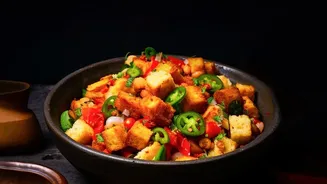
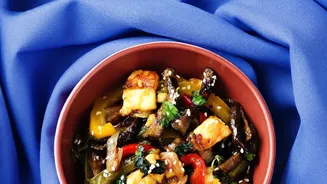
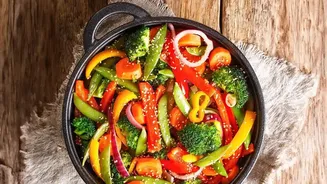
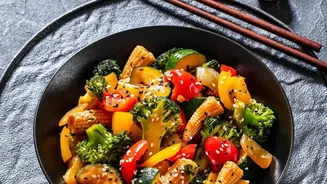
The backbone of many Indian meals is the curry or the stir-fry. A meal-oriented calendar would highlight how seasonal shifts affect these staples. Summer brings vegetables like bhindi (okra) and various gourds, which are ideal for lighter, quicker preparations. A simple Bhindi Masala or a Lauki curry is a perfect example of summer cooking. As winter arrives, the vegetable basket changes to include cauliflower, peas, and root vegetables like sweet potatoes. This is the season for heartier dishes like Aloo Gobi and the famous Gujarati winter vegetable medley, Undhiyu. Even a quick weeknight stir-fry becomes more intuitive when you know that winter cabbage and beans are at their freshest and most flavourful. A practical calendar would offer suggestions like 'Winter Stir-Fry: Cabbage, Carrots, and Capsicum' rather than just listing the vegetables individually.
Beyond the Main Course: Snacks and Tiffins
Our eating habits are not limited to lunch and dinner. A truly comprehensive guide must consider snacks and packed meals ('tiffins'). The monsoon season is synonymous with street-side vendors selling roasted corn on the cob (bhutta) and deep-fried pakoras, often made with onions or spinach. Summer brings raw mangoes, which are transformed into tangy chutneys and pickles that last for months. Winter is the time for chikki, a brittle made from jaggery and nuts, providing warmth and energy. Similarly, for packed lunches, a calendar could suggest how a dry curry like Aloo Gobi or Bhindi Masala is not only seasonal but also travels well, making it a perfect tiffin-box meal. These connections make the calendar a part of the entire day's food planning, not just one meal.