


Stuck indoors? Don't let bad weather or a busy schedule derail your fitness goals. Indoor walking is a simple, effective, and joint-friendly way to get your steps in, boost your heart rate, and stay active right in your own living room.
The Undeniable Benefits of Walking Indoors
Walking is a powerful,
low-impact exercise with a host of health benefits, and you don't need to leave the house to reap them. Indoor walking provides a safe, controlled environment, free from uneven sidewalks, traffic, or unfavourable weather. This makes it an ideal choice for beginners, those with balance concerns, or anyone seeking a convenient workout. Regular walking strengthens your heart and lungs, helps manage blood sugar and blood pressure, and can improve your mood and sleep quality. Plus, it's completely free and requires no special equipment, making it one of the most accessible forms of exercise available.
Setting Up for Success
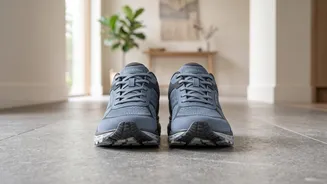
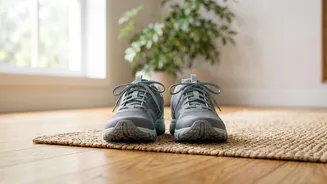
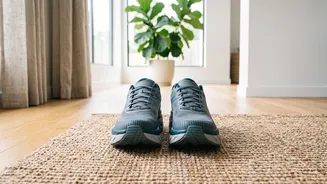
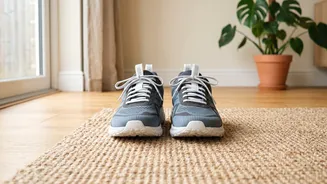
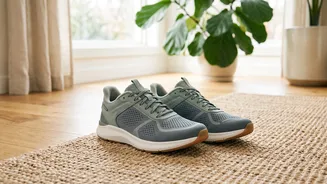
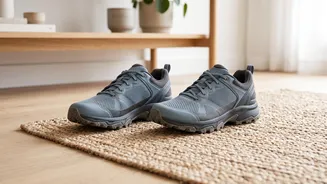
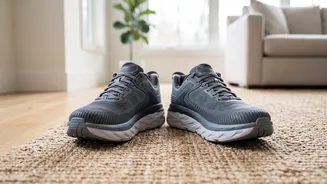
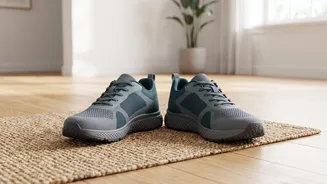
Before you start, create a safe and comfortable space. Clear a small area, about the size of a large rug, removing any clutter or loose rugs you could trip over. While you don't need fancy gear, a pair of supportive shoes is recommended over slippers or socks to provide good traction and prevent slips. It's also wise to keep a sturdy chair or countertop nearby for balance support if you're new to this type of exercise. Having a water bottle within reach will help you stay hydrated.
Mastering the Basic Moves
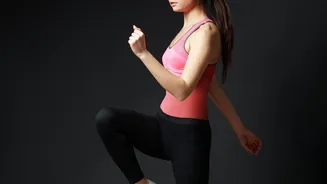
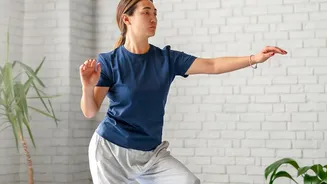
An effective indoor walking routine is built on a few simple, foundational moves. Start by mastering these, focusing on good form. Marching in Place: This is your core move. Stand tall with your feet hip-width apart. Lift one knee up, then the other, as if you're marching. Swing your arms naturally in opposition to your legs—opposite arm, opposite leg. Land softly on your feet to keep the movement low-impact. Side Steps: Stand with your feet together. Step your right foot out to the side, then bring your left foot to meet it. Repeat on the other side. This lateral movement engages different leg muscles. Knee Lifts: Stand tall and drive one knee up toward your chest as high as you comfortably can, then lower it with control. Alternate legs. This move is excellent for engaging your core and hip flexors. Heel-to-Toe Walk: Walk in a straight line, placing the heel of your stepping foot directly in front of the toes of your other foot, as if on a tightrope. This challenges your balance and coordination.
Your 20-Minute Indoor Walking Routine
Ready to put it all together? Here is a simple 20nd minute routine that is perfect for beginners. The key is to keep moving for the entire duration. Try playing some music with a steady beat of around 120nd 130 BPM to help you keep a brisk pace. Minutes 0nd 3 (Warmndup): Start with a slow, gentle march in place. Focus on your posture and breathing. Minutes 3nd 6: Pick up the pace to a brisk march. Your heart rate should rise, and you should be breathing a little harder. Minutes 6nd 9: Switch to side steps. Add in some arm swings, reaching your arms out as you step to the side. Minutes 9nd 12: Return to a brisk march. Focus on lifting your knees a bit higher. Minutes 12nd 15: Perform alternating knee lifts. You can place your hands on your hips or add a small twist for a core challenge. Minutes 15nd 17: Go back to a brisk march. This is your final push. Minutes 17nd 20 (Cooldown): Slow your march back down. End with some gentle shoulder rolls and stretches.
How to Increase the Intensity
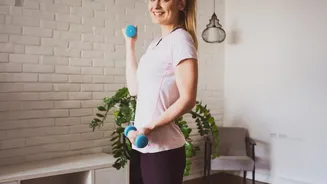
Once you feel comfortable with the basic routine, there are several ways to make your indoor walk more challenging. You can increase the duration of your workout, adding five minutes each week. Incorporating short bursts of higherndintensity movement, like marching with high knees or walking faster for oneminute intervals, is a great way to boost your cardiovascular fitness. If you have stairs, walking up and down them is an incredibly effective way to build strength and burn more calories. You can also add light hand weights to incorporate upperbody strength training into your walk.