

Trust Your Nose First
The most immediate and reliable indicator of freshness is the smell. Freshly made sweets, especially those prepared with ghee and milk solids like khoya, have a rich, nutty, and inviting aroma. If a sweet smells stale, sour, or has a faint chemical or soapy
odour, it's a clear red flag. Adulterants like detergent are sometimes added to milk to increase volume, which can leave a tell-tale scent. Stale oil or ghee will also impart a rancid smell. If it doesn't smell delicious and wholesome, it's best to walk away.
Examine the Look and Texture
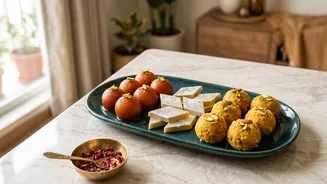
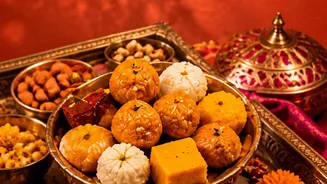
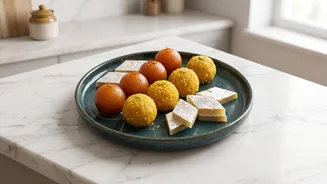
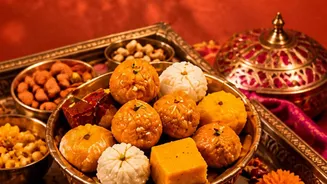
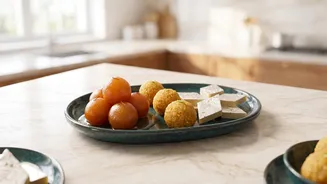
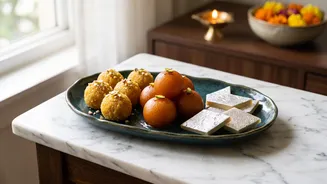
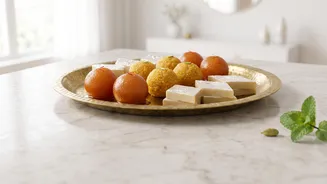
Your eyes can tell you a lot. Fresh mithai should have a natural, appealing colour and a clean appearance. Be wary of sweets that look unnaturally vibrant or fluorescent, as they may contain non-permitted industrial dyes like Metanil Yellow instead of safe food colouring. The texture is also crucial. A fresh ladoo or barfi should not be excessively dry or hard, which indicates it's old. Conversely, if it feels unusually greasy or waxy, it might be made with cheaper vegetable fats (vanaspati) instead of pure ghee. Pure khoya should feel grainy and leave a slight greasy film on your palm, not a pasty or sticky residue.
The Khoya (Mawa) Inspection
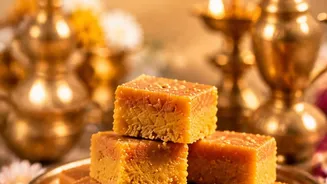
Khoya, or mawa, is the base for many beloved Diwali sweets and is a prime target for adulteration, especially during the festive rush. Unscrupulous sellers often mix it with starch, flour, or even blotting paper to increase its weight and cut costs. A simple way to check is to take a small sample, boil it in water, let it cool, and add a few drops of iodine tincture. If the mixture turns blue or purple, it confirms the presence of starch. Pure khoya will not change colour. Additionally, fresh khoya should have a mildly sweet, milky taste; if it tastes bland, sour, or soapy, it's best to avoid it.
Beware the Glimmer: Vark vs. Aluminium
The delicate silver foil, or vark, that adorns many festive sweets adds a touch of luxury. However, real silver can be replaced with cheaper and toxic aluminium foil. Ingesting aluminium can be harmful to your health. There's a simple test to tell the difference: gently rub the foil on the sweet with your finger. Pure silver vark is extremely delicate and will disintegrate or vanish into your skin. Fake aluminium foil will not break apart easily and will instead roll into a small, solid ball. Given the risks, it's always safer to choose sweets from reputable vendors known for using genuine ingredients.
Question the Price and Packaging
While festival discounts are tempting, be skeptical of sweets sold at unusually low prices. Ingredients like pure ghee, nuts, and high-quality khoya have a significant baseline cost. An extremely cheap price may suggest that corners were cut and inferior or adulterated ingredients were used. Furthermore, always check the packaging. Reputable sellers, as per FSSAI (Food Safety and Standards Authority of India) guidelines, should display a license number and provide a 'best before' or 'use by' date, even for loose sweets. This transparency is a good sign of a vendor's commitment to quality and safety.
The Simple Taste Test
If the vendor offers a sample, take it. This is your final chance to assess quality before buying. A small bite can reveal a lot. The sweet should melt in your mouth with a pleasant flavour. An off-taste, a strange aftertaste, or an excessively sugary flavour could be masking stale ingredients. Pure ghee has a distinct, rich taste, whereas adulterated fats can leave a waxy or oily coating on your palate. If something tastes 'off' or artificial, it probably is. Trust your palate and don't hesitate to decline the purchase.