




India's diverse landscapes are dotted with tranquil lakes that offer a perfect escape. From the Himalayas to the coastal plains, these pristine water bodies are not just beautiful but are often steeped in culture and legend.
Pangong Tso, Ladakh
A jewel of the Himalayas, Pangong
Tso is a high-altitude saltwater lake situated at over 4,350 metres. Famous for its ability to change colours from azure to light blue and green, it's a surreal sight against the stark, arid mountains of Ladakh. The lake, which extends from India to China, became a pop-culture icon after its appearance in the film '3 Idiots'. The best time to visit is during the summer months from May to September when the weather is pleasant and the lake is a stunning shade of deep blue. During winter, the lake freezes completely, offering a different but equally stark and beautiful landscape for the truly adventurous.
Dal Lake, Jammu and Kashmir
Known as the 'Jewel in the crown of Kashmir', Dal Lake is the heart and soul of Srinagar. It's not just a lake but a vibrant ecosystem of floating markets, ornate houseboats (shikaras), and floating gardens. A stay on a traditional wooden houseboat offers an immersive experience into Kashmiri culture and hospitality. The lake is framed by the majestic Pir Panjal mountains and the famous Mughal gardens, including Shalimar Bagh and Nishat Bagh. A sunrise ride on a shikara through the bustling floating vegetable market is an unforgettable experience.
Tsomgo Lake, Sikkim
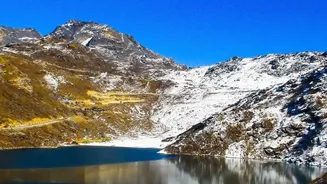
Located at an altitude of 3,753 metres in East Sikkim, Tsomgo Lake, also known as Changu Lake, is a glacial wonder. Surrounded by steep, rugged mountains, its surface reflects the changing colours of the sky and remains frozen during the winter months. The lake is considered sacred by the local Sikkimese people. The journey from Gangtok to Tsomgo is an adventure in itself, with winding roads offering breathtaking views. For the best experience, visit between March and May for pleasant weather and blooming rhododendrons, or from October to December for clear skies and crisp mountain views.
Vembanad Lake, Kerala
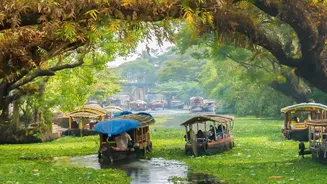
The longest lake in India and the largest in Kerala, Vembanad Lake is the heart of the state's famous backwaters. Spanning several districts, this vast expanse of water is a network of canals, lagoons, and rivers. It's home to a unique ecosystem and supports the livelihoods of many locals through fishing and agriculture. A houseboat cruise on Vembanad is the quintessential Kerala experience, offering a slow, peaceful journey through serene landscapes of paddy fields and coconut groves. The lake also hosts the famous Nehru Trophy Boat Race during the Onam festival.
Pichola Lake, Udaipur
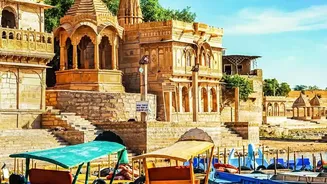
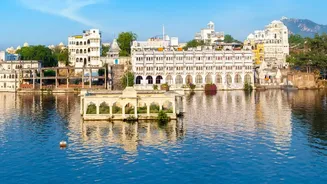
The heart of Udaipur, the 'City of Lakes', is the artificial freshwater Lake Pichola, created in the 14th century. Surrounded by the Aravalli hills, grand palaces, temples, and bathing ghats, it's a picture of romance and royalty. The lake is home to two famous island palaces: Jag Niwas, which houses the Taj Lake Palace hotel, and Jag Mandir. A sunset boat ride is the best way to experience its magic, as the palaces light up and their reflections shimmer on the water, creating an unforgettable spectacle.
Gurudongmar Lake, Sikkim
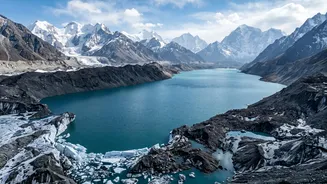
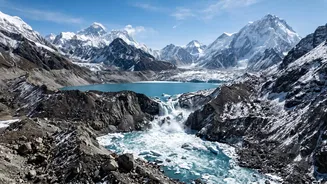
Situated at a breathtaking altitude of 17,800 feet, Gurudongmar Lake in North Sikkim is one of the highest lakes in the world. Considered sacred by Buddhists, Hindus, and Sikhs, its crystal-clear, icy water is believed to have healing powers. Legend says that Guru Padmasambhava touched a part of the lake, preventing it from freezing completely even in harsh winters. The journey to this remote lake is challenging due to the extreme altitude and rugged terrain, but the reward is a divine, otherworldly landscape of snow‐capped peaks surrounding the pristine turquoise water.
Loktak Lake, Manipur
Loktak Lake in Manipur is the largest freshwater lake in Northeast India and is famous for its 'phumdis' — circular, floating masses of vegetation, soil,
and organic matter. These unique islands are so large that local fishermen build their homes on them. The largest of these phumdis is home to the Keibul Lamjao National Park,
the world's only floating national park. This park is the last natural refuge of any endangered Sangai deer,
also known as many dancing deer.
A visit here offers a unique glimpse into a fascinating ecosystem found nowhere else on Earth.