







The Calorie and Sugar Breakdown
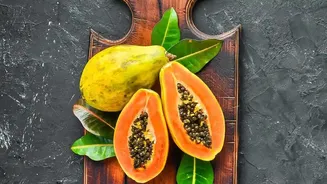
If you are managing your calorie or sugar intake, papaya has a clear advantage. A 100-gram serving of papaya contains around 43 calories and about 8 grams of sugar. In contrast, the same amount of mango has about 60 calories and nearly 14 grams of sugar. This
makes papaya the lighter option, offering more volume with fewer calories and less sugar, which can be beneficial for weight management. Despite having more sugar, mango has a slightly lower glycemic index (GI) of around 51, while papaya's is around 59. This means mango may cause a slower rise in blood sugar, though both are considered low-to-medium GI fruits.
A Tale of Two Vitamins: C and A
When it comes to Vitamin C, papaya is the undisputed champion. A 100-gram serving of papaya can provide over 60 mg of Vitamin C, which is more than two-thirds of the recommended daily intake. Mango is no slouch, providing a respectable 36 mg of Vitamin C, but papaya offers a significantly higher concentration to support your immune system and skin health. However, the tables turn when we look at Vitamin A. Mango is a richer source of Vitamin A, delivering it in the form of beta-carotene, which is crucial for eye health and immune function. Mango contains about 54 mcg of Vitamin A per 100 grams, slightly more than papaya's 47 mcg.
Fibre for a Healthy Gut
Both fruits are good sources of dietary fibre, which is essential for a healthy digestive system. The fibre content is nearly identical, with both mango and papaya providing around 1.6 to 1.7 grams per 100-gram serving. This fibre helps promote regular bowel movements and can aid in overall gut health. While the quantity is similar, the composition and accompanying compounds make their effects on digestion slightly different. Both fruits can be excellent additions to your diet to ensure you are meeting your daily fibre needs.
Papaya's Digestive Superpower: Papain
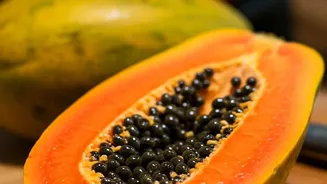
Papaya's most famous health benefit comes from a unique enzyme called papain. Papain is a proteolytic enzyme, meaning it helps break down proteins into smaller, more easily digestible compounds. This makes papaya an excellent fruit to eat after a protein-heavy meal, as it can help reduce bloating and indigestion. Papain has been used for centuries as a natural digestive aid and is even used commercially as a meat tenderiser. This enzyme is also known for its anti-inflammatory properties, which can help soothe the stomach and reduce inflammation throughout the body.
Mango's Unique Antioxidant: Mangiferin
Mango contains a powerful polyphenol called mangiferin, which is found in the fruit, leaves, and kernel of the mango plant. Mangiferin is a potent antioxidant with strong anti-inflammatory properties. Research suggests it may offer a wide range of health benefits, including supporting heart health by helping to reduce cholesterol and triglyceride levels. Studies have also explored mangiferin's potential role in modulating glucose metabolism, protecting against liver damage, and even exhibiting anti_cancer properties by fighting oxidative stress. While more research is needed, this unique compound adds to mango's impressive nutritional resume.