








The Symphony of the Monsoon
Forget what you think you know about rain. Here, it’s not just water falling from the sky; it's a full-bodied sensory experience. The first sign is often the scent—a cool, earthy fragrance of petrichor rising from the damp soil, mingling with the sweet
aroma of jasmine and the sharp notes of ginger and cardamom from a nearby kitchen. Then comes the sound. It begins as a gentle patter on the massive palm leaves, a soft rhythm that builds into a powerful, percussive drumming on the thatched roof of your houseboat. From the cozy confines of your floating haven, this is no mere weather event; it’s a private concert performed by nature. The world outside blurs into a watercolour painting, and the only soundtrack is the relentless, cleansing, and utterly hypnotic rhythm of the rain.
A World Washed Anew
The monsoon transforms the backwaters' already verdant landscape into something otherworldly. The colour green, in all its infinite shades, becomes overwhelmingly dominant. Emerald paddy fields, freshly irrigated by the downpour, stretch to the horizon. The foliage lining the canals—from the broad leaves of banana plants to the intricate fronds of ferns—drips with life, each leaf washed clean and glistening. The typically still, mirror-like waters are now alive, dimpled by a million tiny splashes. The sky, far from being a monotonous grey, puts on a dramatic show of its own, shifting from dark, brooding charcoal to soft, misty silver. This isn't a landscape to be seen; it's a world to be felt. The air is thick, clean, and cool, a welcome respite from the humid heat that often precedes the rain.
The Comfort of the Kettuvallam
There is perhaps no better place to witness this spectacle than from a kettuvallam, the traditional Keralan houseboat. Gliding slowly through the waterways of Alleppey or Kumarakom, you are both immersed in the storm and perfectly sheltered from it. Imagine curling up on a comfortable chair in the covered deck, a warm pashmina wrapped around you, watching the rain sweep across the water. A crew member appears with a steaming glass of 'chaya' and a plate of hot banana fritters ('pazham pori'). The world shrinks to this single, perfect moment. The gentle rocking of the boat, the rhythmic drumming of the rain, the warmth of the tea—it’s a recipe for profound relaxation. The houseboat ceases to be just transport; it becomes a sanctuary, a floating bubble of peace amid the majestic chaos of the monsoon.
A Quieter, Slower Pace
While summer and winter are peak tourist seasons, the monsoon offers a different kind of luxury: solitude. The waterways are less crowded, the pace of life slows even further, and you get a more authentic glimpse into the rhythm of the backwaters. You’ll see locals, unfazed by the downpour, expertly navigating their small canoes ('vallams') with umbrellas held aloft. Fishermen cast their nets, and children splash in the overflowing canals. Visiting during the 'off-season' allows for a deeper connection with the place and its people. You’re not just a tourist ticking off a sight; you're a guest, invited to witness a season that is integral to the soul of Kerala. This is the perfect time for introspection, for reading that book you never have time for, or simply for doing nothing at all.
The Season of Rejuvenation
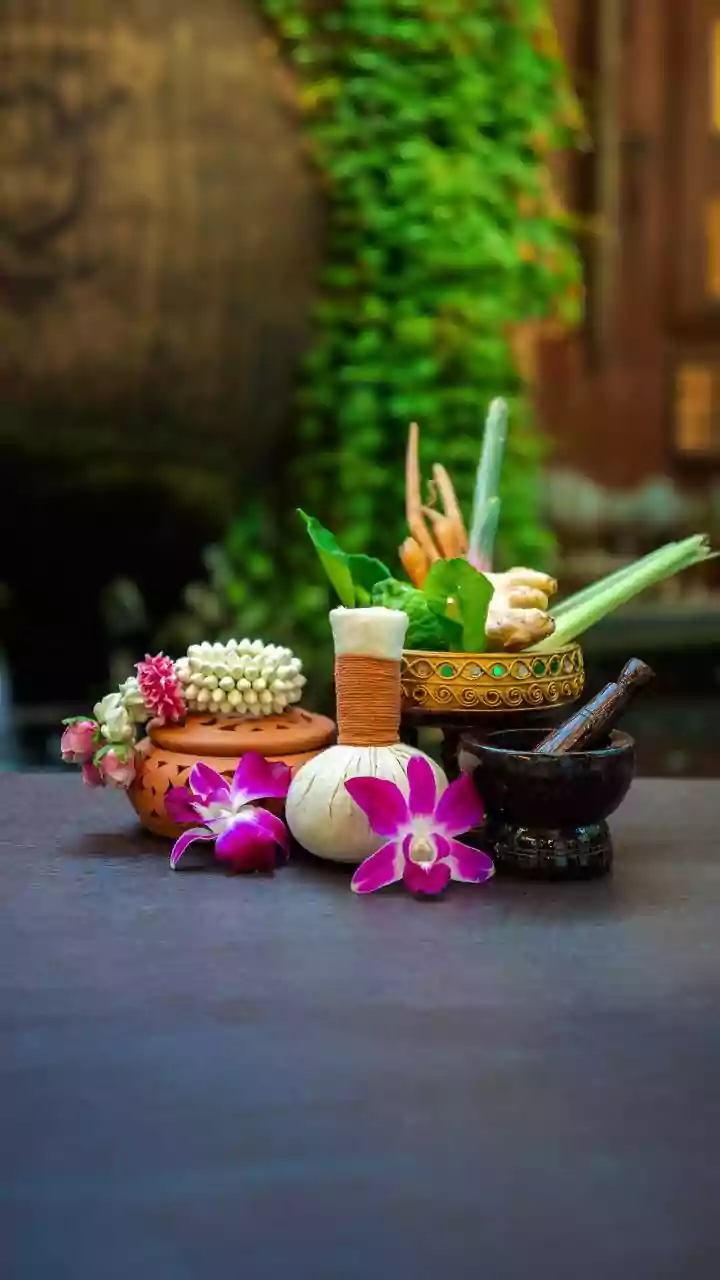
The magic of the monsoon extends beyond the scenery. In Ayurveda, the ancient Indian system of medicine, the rainy season ('Varsha') is considered the best time for rejuvenation therapies. The cool, moist, dust-free atmosphere is believed to open up the pores of the skin, making the body more receptive to herbal oils and treatments. Many resorts and wellness centres in the backwaters offer specialised 'Panchakarma' packages during this time, designed to detoxify and revitalise. Pairing a therapeutic Ayurvedic massage with the soothing sound of falling rain is an experience that nurtures both body and soul. It’s a holistic form of magic, where the healing power of nature outside is matched by the restorative treatments within.