


Meet the Tiny Titans of Breakfast
Look inside a modern Indian kitchen, and you’ll likely find two small but mighty ingredients gaining popularity: chia seeds and sabja seeds. While they may look similar at a glance, especially after soaking, they are distinct powerhouses of nutrition.
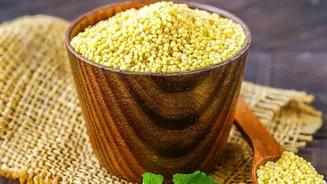
Sabja, also known as sweet basil seeds, comes from a plant native to India and has been a part of traditional cooling drinks like falooda and sharbats for centuries. Chia seeds, on the other hand, hail from Mexico and have become a global superfood phenomenon over the last decade. Their growing presence in Indian breakfasts signals a larger trend: the blending of global wellness with local culinary habits. Indians are embracing these seeds not just for their health benefits but for their versatility, easily integrating them into familiar dishes.
The Chia Seed Advantage
Chia seeds have earned their 'superfood' status for a reason. Their biggest claim to fame is their high concentration of Alpha-Linolenic Acid (ALA), a type of plant-based omega-3 fatty acid crucial for heart and brain health. They pack significantly more omega-3s than sabja seeds. Chia is also a great source of protein, fibre, and minerals like calcium and magnesium. One of their most user-friendly qualities is that they can be consumed raw—sprinkled directly onto salads, cereals, or yoghurt—or soaked. When soaked, they form a gel-like substance over 20-30 minutes, which makes them easy to digest and helps keep you feeling full, aiding in appetite control. This quality makes them an excellent addition to breakfast, promoting sustained energy release throughout the morning.
Sabja: The Cooling Counterpart
Sabja seeds are no nutritional slouch, either. They have a long history in Ayurveda and Indian home remedies, primarily valued for their cooling properties, making them a summer staple. Nutritionally, sabja seeds shine in their iron and fibre content. For those looking to boost their iron intake, sabja is a superior choice compared to chia. Unlike chia, sabja seeds must be soaked before consumption, but they swell up in just a few minutes, much faster than chia. This rapid gelling makes them an excellent choice for quick preparations. Their high fibre content aids digestion, helps relieve constipation, and provides a feeling of fullness, which can support weight management goals.
Your Daily Dose: Easy Breakfast Pairings
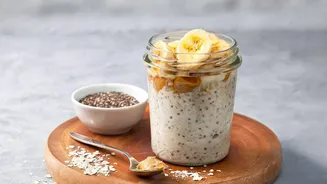
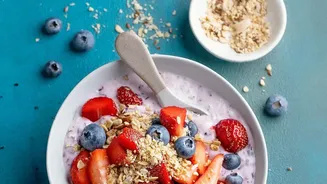
The beauty of these seeds lies in how effortlessly they can be incorporated into breakfast routines. For a simple upgrade, stir a spoonful of soaked chia or sabja seeds into a bowl of dahi. This instantly boosts the protein and fibre content, transforming a simple curd into a more filling and gut-friendly meal. Some even prepare a savoury 'dahi chia pudding' with a traditional tadka, similar to curd rice. Overnight oats are another perfect vehicle. Combine rolled oats, milk or yoghurt, and a tablespoon of either seed in a jar and refrigerate overnight. In the morning, you have a creamy, ready-to-eat breakfast. Sabja seeds can also be blended into smoothies or added to traditional breakfast drinks like a savoury oats masala chaas for a cooling, hydrating start to the day. Even a simple sprinkle of raw chia seeds over a plate of poha can add a subtle nutritional boost without altering the taste.