






The Global Stage Gets a New Beat
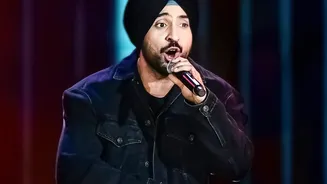
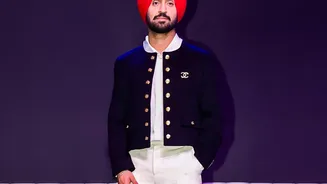
The numbers speak for themselves. In mid-2026, Punjabi superstar Diljit Dosanjh wrapped up the North American leg of his 'Aura World Tour', grossing a staggering $32 million from 15 shows and drawing over 225,000 fans. This wasn't just a tour; it was a cultural
event that saw him become the first South Asian artist to sell out two nights at New York's iconic Madison Square Garden. Following his record-breaking 'Dil-Luminati' tour in 2024, Dosanjh's success in 2026, with stops from Vancouver to London's Wembley Stadium, demonstrates a seismic shift in the global appeal of Indian artists. He's not alone. Indie singer-songwriter Anuv Jain's 'Dastakhat World Tour' sold out shows across six US cities in May 2026, after successful runs in Australia and Europe. Meanwhile, artists like Prateek Kuhad, Karan Aujla, and Arijit Singh are also undertaking extensive international tours, playing to packed venues in the UK, Canada, the Middle East, and beyond. This isn't just about connecting with the diaspora; it’s about Indian music claiming its space on the world stage.
What's Fuelling the Global Tour Boom?
Several factors are converging to make this moment possible. The first is the undeniable power of digital streaming. Platforms like Spotify have radically democratized music distribution, allowing artists to bypass traditional gatekeepers. Between 2019 and 2023, international streams for Indian artists grew by over 2,000%, and in 2025 alone, global listeners discovered an Indian artist for the first time nearly 13 billion times. This digital footprint builds a global fanbase before an artist even lands in a new country. Secondly, the definition of 'Indian music' is expanding. While Bollywood remains a powerhouse, this new wave is largely artist-led, spanning genres from Prateek Kuhad's introspective indie-folk to the bhangra-infused hip-hop of Karan Aujla. This diversity attracts a wider range of listeners. Finally, a large and affluent South Asian diaspora, particularly in countries like Canada, the US, and Australia, provides a strong and loyal audience base, which helps promoters justify booking larger venues and stadium shows.
More Than Music: It's Cultural Diplomacy
These tours represent more than just commercial success; they are a powerful form of cultural export. When Diljit Dosanjh performs a sold-out show at BC Place in Vancouver or headlines Coachella with a fully Punjabi set, it projects a modern, vibrant image of India to the world. The success of these tours has also led to a rise in cross-cultural collaborations, with global stars like Ed Sheeran and J Balvin teaming up with Indian musicians, further blending sounds and audiences. This trend signifies that Punjabi, Hindi, and other Indian regional music forms are no longer considered niche genres internationally. They are influencing global pop culture, a phenomenon seen when a Punjabi track was featured at the inauguration of New York City's mayor in early 2026. This growing influence is a testament to the artists' ability to craft an identity that is both authentically Indian and universally appealing.
The Business of the World Stage
Behind the sold-out shows is a sophisticated and rapidly growing business infrastructure. Global promoters like Live Nation are now investing heavily in South Asian artists, recognizing them as a significant growth market. The presale for Dosanjh's 'Aura Tour' was the largest ever for a South Asian artist in North America for the promoter. This institutional backing allows for bigger productions, better marketing, and the ability to book iconic venues that were previously out of reach. While the live music ecosystem in India is still maturing, the success of these international tours is creating a feedback loop. It demonstrates the immense earning potential of Indian artists, encouraging more investment both at home and abroad, and paving the way for the next generation of performers to dream on a global scale.