






The Scale of Urban E-Waste
India's major metropolitan cities are facing a monumental electronic waste crisis. Metros like Mumbai, Delhi, Bengaluru, and Chennai are epicentres, contributing to the more than 3.2 million metric tons of e-waste generated nationally each year. This
tidal wave of discarded gadgets is fueled by rising incomes, rapid technological advances, and a culture that increasingly favours replacement over repair. When these items—from smartphones to televisions—end up in landfills, they leach toxic materials into the soil and water. Shockingly, over 90% of India's e-waste is managed by the informal sector, where hazardous and unsafe dismantling methods pose severe health risks to workers and pollute the environment.
Introducing the Library of Things
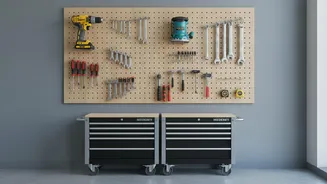
Enter the 'Library of Things' (LoT), a simple yet transformative concept taking root in Indian communities. Imagine a library where you can borrow a power drill, a steam iron, a pair of speakers, or a projector instead of books. This is the core idea: a shared collection of items that residents of a building or a neighbourhood can borrow for occasional use. Instead of a hundred families owning a hundred drills that are each used once a year, the community shares a few. It’s a practical application of the circular economy, designed to maximise the lifespan of products and minimise waste and unnecessary consumption.
How It Works in Practice
The implementation of these sharing libraries is surprisingly straightforward, especially in the context of modern apartment complexes. Typically, the residents' welfare association or a group of motivated individuals designates a secure common space, like a storage room or a section of a community hall, to house the items. Donations from residents form the initial inventory. In some modern projects, developers are integrating this from the start. For example, Planet Smart City plans to include LoTs in its affordable housing projects across India, allowing residents to reserve items like ladders, hammers, and small appliances through a dedicated smartphone app. The Goethe-Institut in Kolkata has also launched a similar initiative for its members, providing access to everything from toolboxes to telescopes. Rules are established for borrowing periods, returning items in good condition, and handling damages, creating a system built on shared responsibility.
More Than Just Waste Reduction
The impact of a tool-sharing library extends far beyond the landfill. Economically, it offers significant savings for residents, who gain access to high-quality equipment without the high cost of ownership. This is particularly valuable for items that are expensive but used infrequently. Socially, these initiatives build a stronger sense of community. The act of sharing resources fosters interaction and trust among neighbours, turning an anonymous apartment block into a more collaborative living space. It empowers people by giving them access to tools for DIY projects, skill development, and home improvement, democratising access to items that might otherwise be unaffordable.
Challenges and the Road Ahead
Of course, the model is not without its challenges. Ensuring the proper maintenance of tools, managing liability for breakages, and encouraging consistent participation are common hurdles. A successful LoT requires active community management and a shared sense of ownership. However, these are logistical issues rather than fundamental flaws. As India grapples with the twin pressures of rapid urbanisation and environmental sustainability, such community-led initiatives represent a powerful path forward. They prove that effective solutions don’t always require massive, top-down policy shifts. Sometimes, the most impactful change can start right in our own neighbourhoods, with something as simple as a shared toolbox.