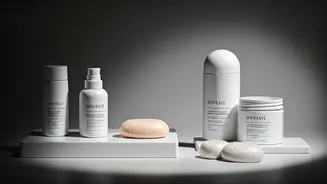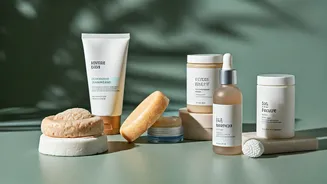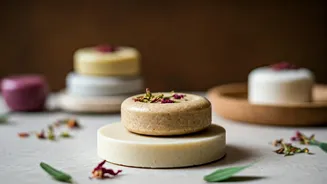





Not Your Average Bar of Soap
The first thing to know about the new wave of shampoo bars is that they are fundamentally different from soap. Early versions often had a high pH, which could be harsh and leave a residue, especially in hard water. [7, 12] Today's bars are typically 'syndets'
(synthetic detergents) built around gentle, plant-derived surfactants like sodium cocoyl isethionate. [7, 9] This means they cleanse effectively with a pH closer to your hair's natural state, creating a rich lather without stripping essential oils. [7, 9] The formulations have become highly sophisticated, targeting specific hair needs from frizz and curls to oily scalps and colour-treated hair. [9, 14] Think of them less as soap and more as your favourite liquid shampoo, just without the water and the plastic bottle.
The Sustainability Superstar
A huge driver of the shampoo bar's resurgence is its eco-friendly profile. Liquid shampoos can be up to 80% water, meaning we are essentially paying to ship water around the globe in single-use plastic bottles. [4, 11, 17] Every year, billions of these bottles end up in landfills. [2] Shampoo bars eliminate this waste almost entirely. [5] They are often sold with minimal, recyclable cardboard packaging or none at all. [2, 3] Because they are concentrated and waterless, they are lighter and more compact to transport, significantly reducing their carbon footprint. [5, 6, 13] A single bar can last as long as two to three bottles of liquid shampoo, making them a cost-effective and consumption-reducing choice in the long run. [2, 6, 11]
2026 Energy: High-Tech Ingredients and Targeted Formulas
What truly gives the 2026 shampoo bar its new energy is the level of innovation in its ingredients. Brands are moving beyond basic cleansing to incorporate high-performance, targeted actives. We're seeing a rise in bars formulated with ingredients traditionally found in advanced skincare and haircare, such as biotin for strengthening, rice protein for volume, and amla or shikakai for promoting hair growth. [10, 12, 18] For Indian consumers, many brands are formulating bars specifically to work with hard water and address local concerns like pollution and humidity. [18, 19] There are now specialized bars for every possible hair concern: moisturising bars with murumuru butter for curly hair, clarifying bars with bamboo charcoal for oily scalps, and gentle, fragrance-free options for sensitive skin. [8, 23] This move toward personalization is a key trend, allowing users to get the specific results they want in a sustainable format. [21, 25, 27]
Making the Switch: A Practical Guide
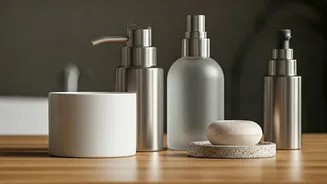
Switching to a shampoo bar is simple, but a few tips can make the transition seamless. First, choose a bar that matches your hair type and goals. [8, 21] To use, you can either create a lather in your hands or rub the bar directly onto your wet hair in a few strokes from root to tip. A little goes a long way. Some people experience a brief 'transition period' as their hair adjusts to a formula free from silicones and harsh sulfates, but this usually resolves within a few washes. [12, 15] The most crucial part of using a shampoo bar is storage. To make it last, you need to keep it dry between uses. A slatted soap dish or a hanging bag that allows for air circulation is ideal. When travelling, they are a dream—solid, lightweight, and leak-proof. [4, 13, 17]