

The Challenge of Deep Space Dieting
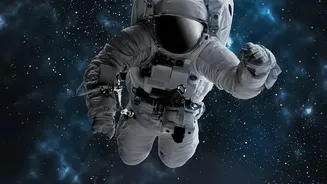
Long-duration spaceflight is incredibly harsh on the human body. Beyond the psychological stress of isolation, astronauts face significant physiological threats from microgravity and space radiation. The body adapts in ways that can be detrimental over
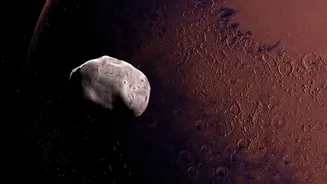
time. Astronauts can lose 1-2% of their bone mass for every month spent in space, and muscle atrophy is a constant battle. Furthermore, radiation exposure increases the risk of long-term health issues. For a mission to Mars, which could take up to three years, simply packing enough food is a logistical nightmare. It's estimated a four-person crew would need about 10,000 kilograms of food. More importantly, pre-packaged meals lose nutritional value and taste over time, leading to 'menu fatigue' and potential undernourishment as astronauts lose their appetite.
Nutrition as a Countermeasure
This is where nutrition science transforms from simple sustenance into a vital countermeasure. Scientists no longer see food as just fuel; they see it as medicine. New research focuses on 'functional foods' designed to target specific space-related ailments. For example, diets rich in omega-3 fatty acids are being studied for their potential to mitigate bone loss and protect against radiation damage. Researchers are also exploring how different types of protein, such as plant-based versus animal-based, affect bone health in microgravity. The goal is to create nutrient-dense meals that not only provide energy but actively protect and repair the body from the stresses of space. This could even involve personalized nutrition, where an astronaut's diet is tailored in real-time based on their health data to combat deficiencies before they become problems.
The Dawn of the Space Farm
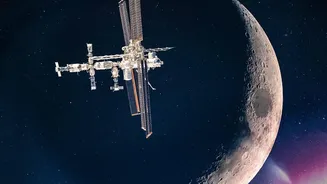
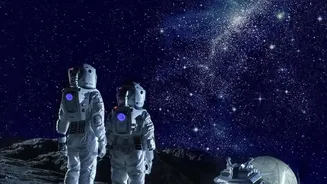
Perhaps the most significant advance is the move toward self-sufficiency through space agriculture. Relying solely on pre-packaged food for a Mars mission is not sustainable. The ability to grow fresh produce is a game-changer for two reasons. First, it provides essential vitamins and nutrients that degrade over long storage periods. Second, it offers a crucial psychological boost, as astronauts consistently report missing fresh food. Experiments aboard the International Space Station (ISS), like the Veggie and Advanced Plant Habitat systems, have already successfully grown crops like lettuce, tomatoes, and even chili peppers. This proves that Controlled Environment Agriculture (CEA), using techniques like hydroponics and specialized LED lighting, is viable in space. The lessons learned on the ISS are directly informing how we might build greenhouses on the Moon and Mars.
Bio-hacks and Future Foods
Looking further ahead, the innovation doesn't stop at salads. Scientists are developing truly futuristic food solutions. One project, BioNutrients, uses genetically engineered microbes like yeast to produce specific nutrients on demand. These microbes can be stored in a dried state for years and then activated with water to create fresh antioxidants or other vital compounds. Another groundbreaking area is cellular agriculture. In 2019, the first piece of cultivated meat was 'grown' aboard the ISS using 3D bioprinting technology, demonstrating that protein can be produced with minimal resources. Researchers are also investigating how insects like silkworms could become a sustainable, protein-rich food source by converting inedible plant waste into something humans can eat, closing the loop on a regenerative food system.