




Beyond the National Spotlight
When marketers think of festive spending in India, attention typically turns to large, pan-Indian celebrations like Diwali, Holi, and Eid. These occasions trigger a significant surge in consumer spending, with brands rolling out massive national campaigns,
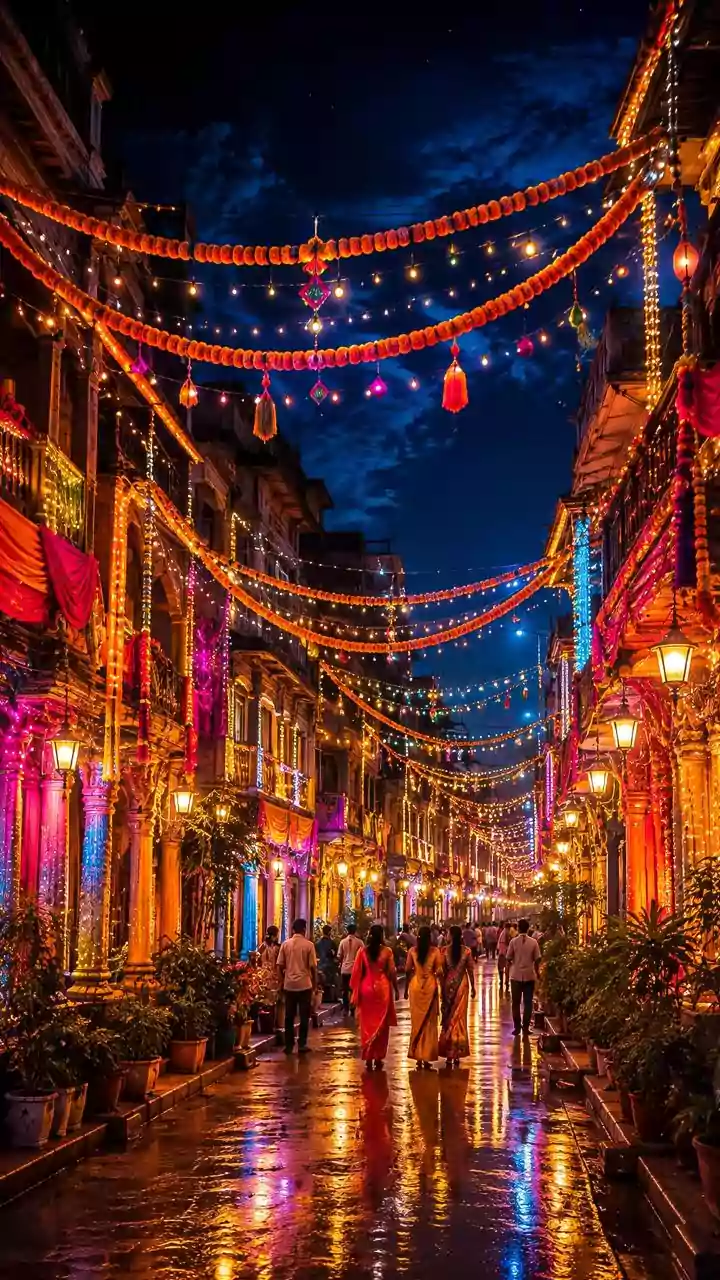
often fronted by celebrities. This traditional playbook, however, is starting to change. While national festivals remain crucial, brands are now realizing the immense, untapped potential of regional celebrations. Festivals like Onam in Kerala, Durga Puja in West Bengal, Pongal in Tamil Nadu, and Bihu in Assam are not just cultural events; they are powerful economic engines that drive consumption within their specific regions. Ignoring this diversity means missing out on connecting with millions of consumers in a context that is deeply personal and emotionally resonant to them.
The Hyperlocal Advantage
The key to leveraging regional festivals is embracing a hyperlocal strategy. This approach moves beyond simply dubbing a national advertisement into a local language. Instead, it involves creating campaigns that reflect genuine cultural nuances, traditions, and local consumer behaviour. For example, an ad that performs well during Diwali in Delhi may not have the same impact during Onam in Kochi. Success lies in cultural adaptation, not just translation. When a brand participates in a local festival in an authentic way, it demonstrates a deeper understanding of the community. This builds emotional equity and trust, making the brand feel more relatable and integrated into the consumer's life. This strategy is particularly effective for reaching consumers in Tier-2 and Tier-3 cities, who now account for over 60% of online shoppers in India.
Authenticity Over simple Advertising
Modern consumers, especially in non-metro areas, are increasingly seeking authenticity. They respond to brands that engage with their culture respectfully, rather than just using it as a marketing backdrop. Some of the most successful campaigns have been built on this principle. For instance, Fevicol’s Dahi Handi activation during Janmashtami, where they sponsored a pot that was famously difficult to break, was a powerful, culturally integrated demonstration of their product's strength. Similarly, Continental Malgudi's activation during Pongal, which involved bringing traditional activities like kolam art to residential communities, fostered deep brand recall by facilitating cultural memories. These examples show that experiential marketing rooted in local traditions can create far more impact than a generic discount offer. It turns consumers into brand advocates.
Navigating the Challenges
Tapping into regional markets is not without its difficulties. Brands must navigate a complex landscape of logistical gaps, especially with last-mile delivery in smaller towns. Consumer preferences can vary widely, and there is strong competition from unorganized local players who have a natural home-ground advantage. Furthermore, each festival has unique rituals and sensitivities that require careful research to avoid cultural missteps. A one-size-fits-all approach is doomed to fail. Success requires a significant investment in understanding local consumer insights, building flexible supply chains, and often partnering with regional creators and influencers who can provide an authentic voice. Brands that are willing to do this groundwork, however, can unlock significant long-term loyalty.
The Future is Regional
The shift towards regional festive marketing is more than a trend; it's a reflection of a maturing Indian retail market. As brands look for new avenues of growth, the diverse cultural calendar of India offers a continuous stream of opportunities. E-commerce and retail media platforms are making it easier for companies to run targeted, region-specific campaigns that reach consumers when their intent to purchase is highest. This allows even smaller brands to engage meaningfully with local celebrations. The insight is clear: the future of Indian retail growth lies not just in the big cities and national holidays, but in the vibrant, diverse, and culturally rich fabric of its many regions. Brands that recognize this will be the ones to build the strongest connections and win the hearts of the next wave of Indian consumers.