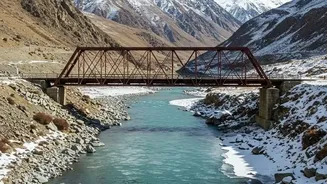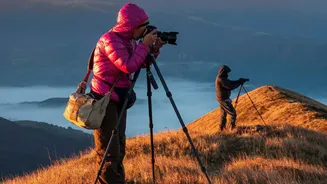




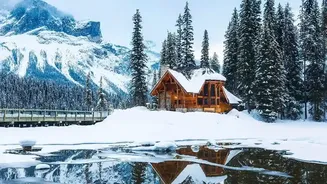

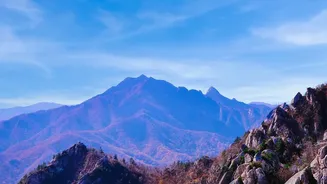
The slow, quiet beauty of nature—a flower unfurling, clouds drifting across a mountain, or the tide creeping in—often moves too slowly for the naked eye. Now, a growing number of weekend hikers are capturing this magic through time-lapse photography.
Why The Sudden Fascination?
Time-lapse photography compresses hours of subtle change into a few mesmerizing seconds. For city dwellers looking for a weekend escape, it offers a powerful way to reconnect with the natural world's slower rhythms. It transforms a simple nature walk into a creative project, turning a beautiful sunset or a field of flowers into a dynamic visual story. The appeal isn't just the final video; it's the process itself. Setting up a camera and waiting for the scene to unfold encourages a mindful, patient observation of the environment, a welcome antidote to the hustle of daily life.
Gear Up: The Compact Tripod Advantage
The key to this trend's accessibility is the rise of the compact or travel tripod. Unlike their heavy, bulky professional counterparts, modern travel tripods are designed for portability. Made from lightweight materials like carbon fibre or aluminium, they fold down to a size that can be easily strapped to or even fit inside a backpack. When choosing one, look for a balance of low weight and stability. Flexible models like the popular JOBY GorillaPod can wrap around branches or railings, while mini tripods with adjustable legs provide a solid base on uneven ground, which is common on hiking trails. This portability means you no longer have to choose between packing hiking essentials and bringing your camera support.
Your Smartphone is a Time-Lapse Powerhouse
You don't need an expensive DSLR to get started. Most modern smartphones have a built-in time-lapse function that automatically handles the complex settings. To use it, simply open your camera app, swipe to the 'Time-Lapse' mode, and press record. The key to a great result is stability; even tiny movements can ruin the shot. Mount your phone securely on your tripod, frame your subject, and then tap the screen to lock the focus and exposure. This prevents the camera from auto-adjusting to changing light, which can cause a distracting flicker in the final video. For longer shoots, consider bringing a portable power bank, as recording for extended periods can drain your battery quickly.
Techniques for Stunning Results
A great time-lapse is born from planning. First, decide on your subject and what change you want to capture—the movement of clouds, shadows stretching across a valley, or the stars at night are all classic choices. Next, consider the duration. A good rule of thumb is to aim for a final video of at least 10-15 seconds. To achieve this, you'll need to shoot a minimum of 300 photos. Your phone does this automatically, but for reference, a 30-minute sunset might be compressed into just 10 seconds of video. The longer you record, the smoother the final clip will be. Finally, think about composition. Including a stationary object in the foreground, like a rock or a tree, provides a point of reference that makes the movement in the rest of the frame feel more dramatic.
Find Your Weekend Location
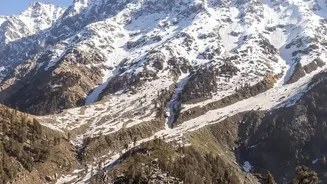
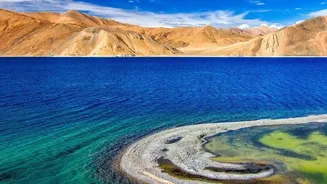
India offers countless stunning backdrops for your first time-lapse adventure. You don't need to travel to remote locations to find a great shot. Your local city park, a nearby botanical garden, or a quiet beach can be perfect for practicing. For those seeking more dramatic landscapes, the options are endless. Consider the lush green valleys of Munnar, the unique limestone caves in the Andaman Islands, or the dramatic, colour-changing Pangong Tso Lake in Leh. Treks in the Himalayas, like those in the Valley of Flowers in Uttarakhand or the Hampta Pass in Himachal Pradesh, offer breathtaking vistas of mountains, clouds, and alpine meadows perfect for capturing nature's grandeur.