
Perfect Weather and Clear Skies
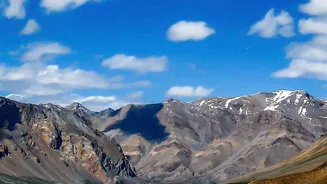
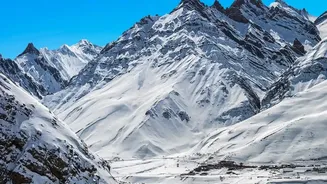
While much of India is drenched in monsoon rains, Ladakh, sitting in a rain-shadow region, remains remarkably dry. August offers some of the best weather for exploring this high-altitude desert. Days are pleasantly warm, with temperatures in Leh hovering
between 15°C and 25°C, making it comfortable for sightseeing in a t-shirt when the sun is out. However, the mountain air is deceptive; nights turn chilly, dropping to around 8°C to 12°C in Leh and even colder at higher altitudes like Pangong Tso. This combination of warm sun and cool nights is ideal for travel, but it's crucial to pack layers, including fleeces and warm jackets, for the evenings. The strong UV rays also make sunscreen and sunglasses non-negotiable essentials.
All Roads and Routes are Open
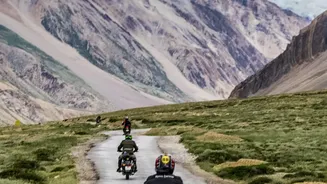
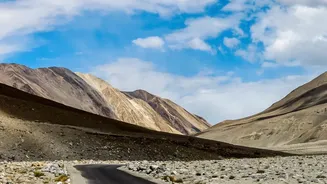
August is a peak month for accessibility in Ladakh. Both major arteries, the Srinagar-Leh and Manali-Leh highways, are typically open, offering breathtaking road trip opportunities. While these approach roads can be susceptible to monsoon-related landslides and delays, the internal roads connecting Leh to popular destinations like Nubra Valley, Pangong Tso, and Tso Moriri are fully operational. This means you can experience the complete Ladakh circuit without the closures that affect travel in other seasons. For those with a fixed schedule, flying into Leh is the most reliable option to avoid potential highway disruptions. However, for adventurers, August provides the rare chance to complete the classic overland journey when the landscape is at its most dramatic.
Vibrant Cultural Festivities
August is a lively time for culture in Ladakh, with several monastic and regional festivals taking place. Depending on the lunar calendar, you might catch the Phyang Tsedup festival at Phyang Monastery, known for its sacred masked dances performed by monks. Other events like the Takthok Tsechu may also fall in August. Beyond the monasteries, the Changthang region often hosts its Nomadic Festival, offering a glimpse into the life of the pastoral communities. In the Suru Valley, the Suru Summer Festival celebrates the local culture. These events provide a colourful and authentic look into Ladakhi traditions, from ritualistic dances to displays of local handicrafts, making an August trip culturally rich.
Lush Landscapes and Thriving Wildlife
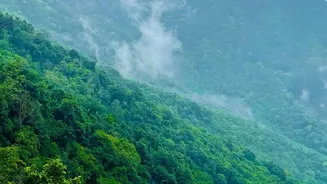
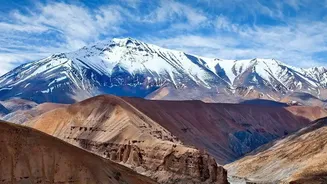
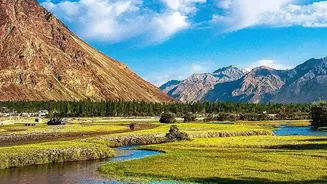
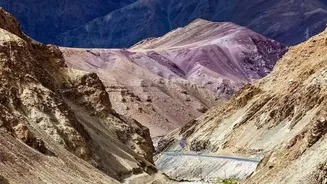
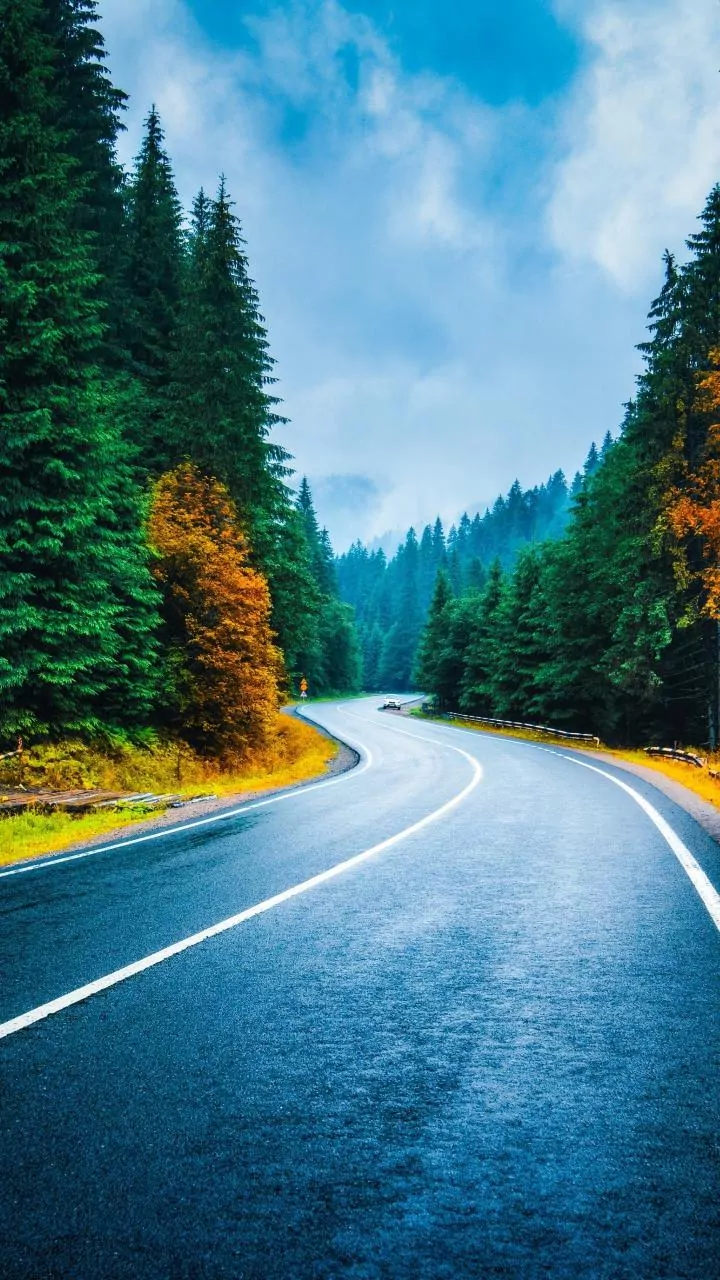
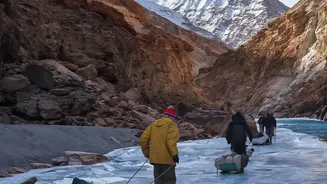
The light monsoon showers that reach Ladakh in the preceding weeks transform the valleys into a surprising spectacle of green. This is a stark contrast to the barren, brown landscapes seen for most of the year. The routes, particularly along the riverbeds in Nubra and the approach roads, are adorned with lush greenery, offering a unique visual treat. This is also an excellent time for adventure activities. The water levels in the Zanskar and Indus rivers are manageable and ideal for white-water rafting. Trekkers can explore popular trails like the Markha Valley, which is in prime condition. The relatively warmer weather also makes it a good time for wildlife spotting in places like Hemis National Park.
Peak Season with Full Services
As one of the best months to visit, August is firmly in Ladakh's peak tourist season. This means that all tourism infrastructure is fully operational. Hotels, guesthouses, homestays, and campsites are open for business, offering a wide range of accommodation choices. Cafes and restaurants in Leh and other tourist hubs are buzzing with activity, and tour operators offer a full menu of experiences, from bike rentals to guided treks. While this can mean more crowds at popular spots like Khardung La and Pangong Lake, it also ensures that services are reliable and readily available. Planning and booking your accommodation and transport well in advance is highly recommended to secure the best options and prices.