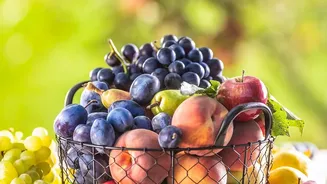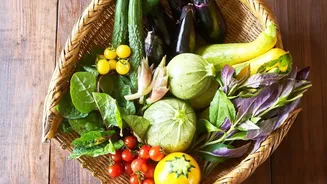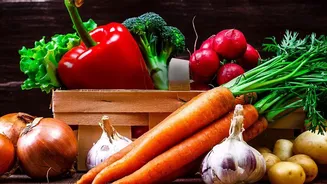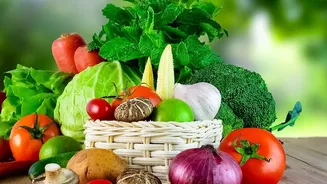




Reconnecting with Our Roots
For generations, Indian kitchens operated on an unspoken calendar dictated by nature. Families ate pearl millet in the scorching summer, warming ginger-laced rasam during the monsoon, and nourishing root vegetables in winter. This was not just tradition;
it was a sophisticated, intuitive health system. The arrival of year-round, uniform vegetables in supermarkets is a modern convenience, but it has disconnected us from this deep-rooted wisdom. Formalising a regional produce calendar is not about inventing something new, but rather about reclaiming an old, powerful idea. It's a structured way to encourage the consumption of food that is in harmony with our bodies and our environment, just as our ancestors understood.
The Economic Case for Eating Local
A clear plan to promote regional produce is a direct investment in local economies. Currently, farmers face immense market instability and unfair pricing, often squeezed by long supply chains and middlemen. According to some estimates, up to 30-40% of fruits and vegetables are wasted before they even reach consumers due to poor infrastructure and supply chain gaps. By creating clear demand for local, seasonal crops, a produce calendar helps build shorter, more resilient supply chains. This puts more money directly into the hands of small-scale farmers, boosting rural employment and creating economic stability from the ground up. When we buy local, we are not just getting fresher food; we are strengthening the fabric of our communities.
A Prescription for Better Health
The health benefits of eating seasonally are clear and scientifically supported. Produce that is picked at its peak of ripeness and consumed locally retains a significantly higher nutritional value. Fruits and vegetables that travel long distances are often harvested early and lose vital nutrients and flavour by the time they reach our plates. A seasonal diet aligns with Ayurvedic principles that have long recognised that our bodies have different needs in different seasons; cooling foods like watermelon in summer, and immunity-boosting citrus in winter. A regional produce calendar would act as a public health guide, naturally encouraging a diet that is more diverse, nutrient-dense, and better suited to our body's rhythms.
Saving Our Agricultural Heritage
India is a global centre of crop diversity, yet this incredible biodiversity is under threat. The post-Green Revolution focus on a few high-yielding varieties has led to the gradual disappearance of countless traditional crops. Promoting a regional produce calendar would create a market for these forgotten heirlooms—the unique local varieties of millets, legumes, greens, and gourds that are perfectly adapted to local conditions. Encouraging farmers to grow these traditional varieties not only makes our food system more resilient to climate change but also preserves a vital part of our agricultural and culinary heritage for future generations.
Making the Calendar a Reality
What would this initiative look like in practice? It doesn't have to be a single, rigid national chart. Given India's diverse climates, it would be a series of state-specific guides. This could manifest as a government-supported app, informational posters in mandis and supermarkets, or educational modules in schools. It would require collaboration between agricultural departments, food processors, and local communities. The goal is to make seasonal eating the easy, obvious choice. By providing clear, accessible information on what’s fresh, what’s local, and what’s in season right now—whether it's spinach and peas in the winter Rabi season or gourds during the monsoon Kharif season—we empower consumers and producers alike.