


Strategic Shading with Plants and Pergolas
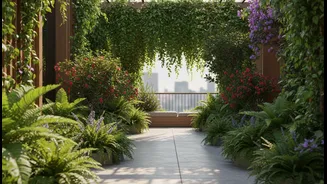
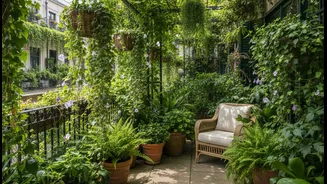
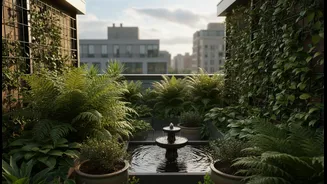
The most effective way to cool an outdoor space is by blocking direct sunlight. While a simple umbrella helps, current trends embrace more integrated and green solutions. Vertical gardens and living walls, dense with foliage, act as natural air conditioners.
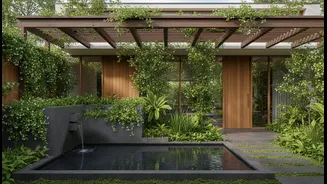
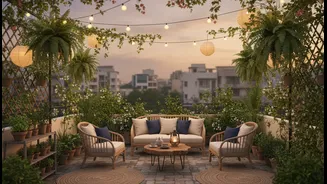
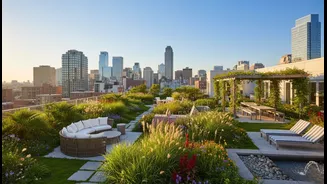
Climbing plants like bougainvillea, jasmine, and hibiscus, trained over a simple trellis or a more permanent pergola, can reduce direct sun exposure significantly. These green canopies not only provide shade but also cool the air through a process called evapotranspiration. For a flexible solution, retractable awnings or stylish shade sails offer control over when and where you get cover, protecting your seating areas during the hottest parts of the day.
The Power of Evaporative Cooling
The science is simple: when water evaporates, it absorbs heat from the surrounding air, creating a cooling effect. Even a small water feature can make a noticeable difference on a hot balcony. Trends are moving towards compact, self-contained units that are perfect for urban settings. Think wall-mounted fountains that save floor space or small, bubbling urns that add a calming soundscape. These features transform noise from the city into white noise and can make a space feel fresher. For an even more immediate cooling sensation, misting systems can be installed along pergolas or railings, releasing a fine spray that flash-evaporates and can lower the ambient temperature noticeably.
Choosing the Right Plants
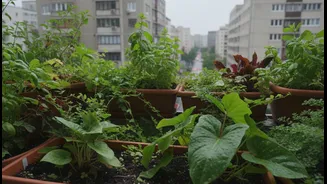
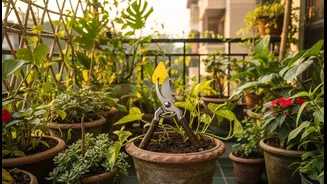
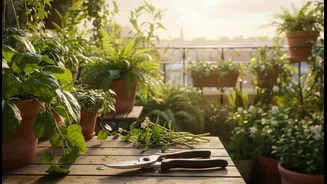
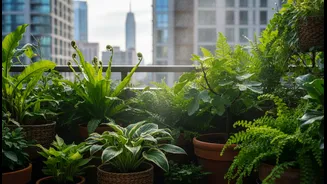
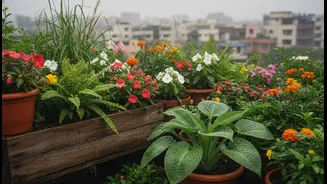
Plant selection is crucial for a cool and resilient urban garden. The focus is on heat-tolerant species that thrive in Indian summers. Plants like bougainvillea, hibiscus, periwinkle (sadabahar), and portulaca are excellent choices as they are tough and provide vibrant colour. Succulents and cacti are also popular for their low-water needs and ability to withstand intense heat. Grouping plants together is another key strategy. When clustered, plants create a humid microclimate, shading each other's roots and reducing moisture loss from the soil. Taller plants like areca palms or bamboo can be used to create natural screens that block the sun and add a lush, tropical feel.
Cooler Materials and Surfaces
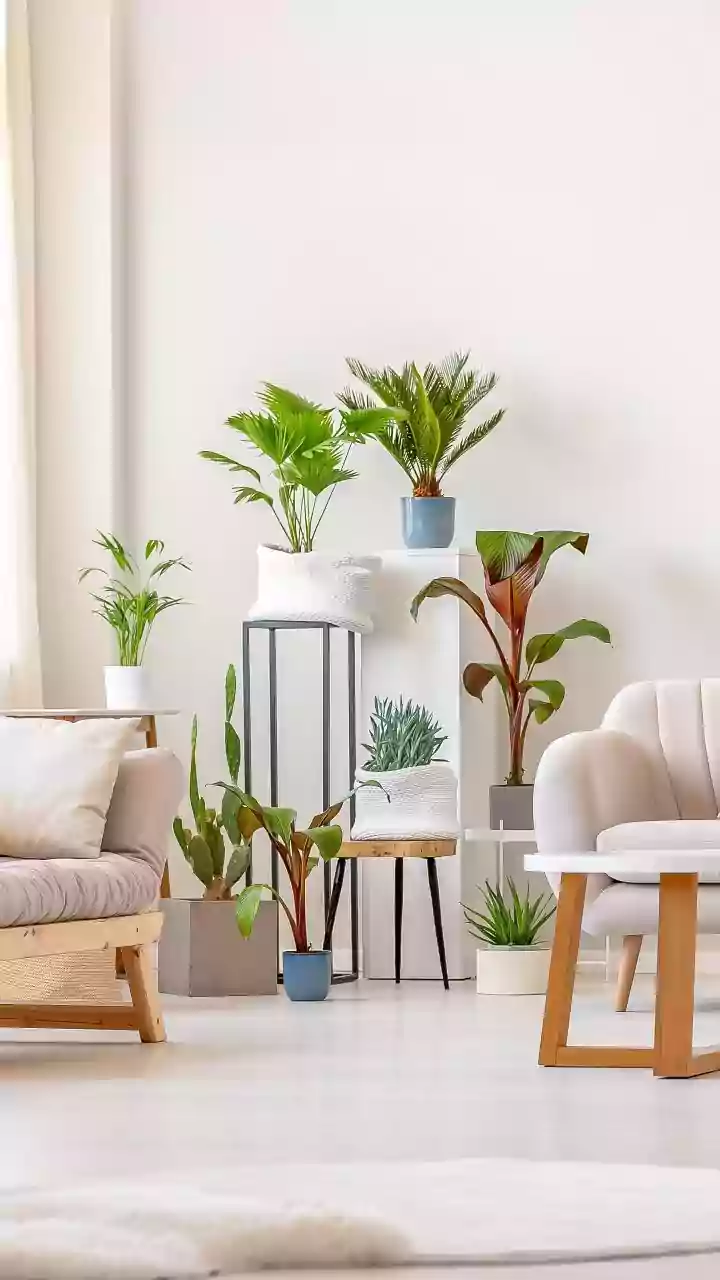
The materials you choose for your pots, flooring, and furniture have a significant impact on how much heat your garden retains. Dark-coloured surfaces, especially black plastic pots, absorb and radiate heat, which can damage plant roots. The current trend is a move towards lighter-coloured containers—white, beige, or light grey—which reflect sunlight and keep the soil cooler. This simple switch can protect heat-sensitive plants and reduce the need for constant watering. If you have dark flooring, consider adding light-coloured outdoor rugs. Applying a layer of mulch, like bark chips, over the soil in your pots also helps insulate roots from extreme heat and reduces water evaporation.