





The Modern Urban Challenge
In cities like Mumbai, Bengaluru, and Delhi, space is the ultimate luxury. As apartment sizes shrink and the popularity of co-living rises, the need for intelligent, space-efficient design has never been greater. Traditional, bulky furniture can make
a compact home feel cluttered and restrictive, forcing residents into a constant battle for floor space. This is especially true as homes have evolved into multi-purpose hubs for work, relaxation, and socialising. The challenge is clear: how do you create a functional, comfortable, and aesthetically pleasing home when every square foot counts?
What is Modular Furniture?
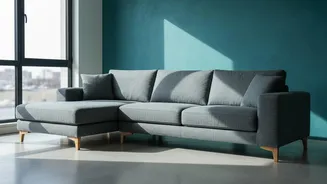
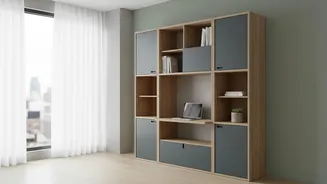
Modular furniture is a system of separate, standardised units that can be arranged and reconfigured in various ways to suit your needs. Think of it like building blocks for adults. Unlike traditional furniture that has a single, fixed purpose, modular pieces are designed for flexibility. A modular sofa can be rearranged from an L-shape to a straight line, a coffee table can transform into a dining table, and a shelving unit can expand as your collection grows. This adaptability is the core principle, offering a practical response to the dynamic demands of modern urban living.
The Multi-Functional Marvel
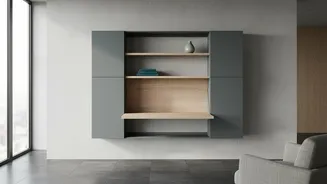
The key benefit of modular furniture is its multi-functionality. A single piece can serve multiple purposes, drastically reducing the need for excess furniture. For instance, a lift-top coffee table can elevate to become a comfortable work desk for your laptop or a dining surface. A stylish ottoman can provide extra seating for guests, act as a footrest, and offer hidden storage for blankets or magazines. In co-living spaces, where personal rooms are often small, a convertible chair that folds out into a single bed can be a game-changer for hosting visitors. These pieces don’t just save space; they add layers of functionality to a room, allowing it to adapt to different activities throughout the day.
Designed for a Dynamic Life
The urban Indian lifestyle is anything but static. People move cities for work, switch apartments, and adapt to evolving family needs. Modular furniture is perfectly suited for this mobility. Since it's composed of individual sections, it's significantly easier to transport and reassemble than heavy, conventional pieces. A modular wardrobe, for example, can be disassembled and reconfigured to fit a new bedroom layout, a feature that makes it a long-term investment. This is particularly valuable for the millennial and Gen Z workforce who prefer adaptable, non-permanent solutions that align with their flexible lifestyles.
Making Smart Choices for Your Home
When choosing modular furniture, it's essential to think beyond just aesthetics. Start by measuring your space accurately and identifying your primary needs. Do you need a dedicated workspace? Extra storage? A bed for occasional guests? Prioritise pieces that solve your biggest challenges. Look for durable materials and high-quality mechanisms, as transformable furniture often undergoes more wear and tear. While the initial investment might be higher than for some conventional furniture, the long-term benefits of durability, flexibility, and optimized space often make it a more economical choice, saving you from needing a larger apartment.