



Saturn Reaches Opposition
October kicks off with a major planetary event. On October 4, Saturn will be at opposition, meaning Earth is directly between the sun and the ringed planet. This is the point where Saturn will be at its closest to us, appearing bigger and brighter in our
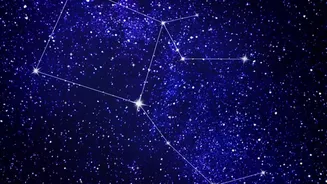
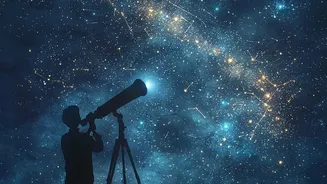
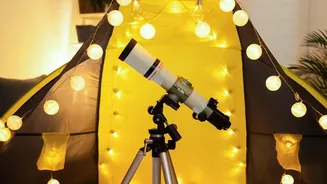
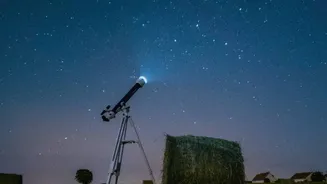
sky than at any other time of the year. It will be visible all night long, rising in the east around sunset and setting in the west at sunrise. While you can spot it as a bright, steady, yellowish point of light with your naked eye, a small telescope will reveal its magnificent rings and perhaps even its largest moon, Titan. Look for it in the expanse between the constellations Pisces and Cetus.
The Draconid Meteor Shower
The first of two meteor showers this month, the Draconids, is set to peak on the evening of October 8-9. This is an unusual shower because the best time to watch is in the early evening, just after nightfall, rather than the pre-dawn hours. The meteors appear to radiate from the constellation Draco the Dragon. The Draconids can be unpredictable; some years they produce a quiet show of around 10 meteors per hour, while other years have seen spectacular outbursts. The good news for 2026 is that the peak occurs near the new moon, meaning moonlight won't interfere, providing dark skies for optimal viewing.
The Orionid Meteor Shower
Arguably one of the most beautiful meteor showers of the year, the Orionids peak on the nights of October 21-22. These meteors are actually cosmic dust left behind by the famous Halley's Comet. Known for being fast and bright, you can expect to see up to 20 meteors per hour under ideal conditions. The radiant point is the constellation Orion the Hunter. This year, a bright waxing gibbous moon will be present in the early part of the night. For the best views, wait until the moon sets, which will be a few hours after midnight. This will create a dark window until dawn, perfect for catching the show.
The Hunter's Moon Rises
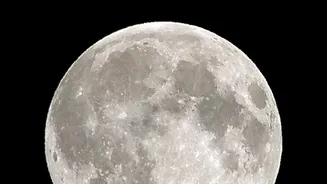
October's full moon, known as the Hunter's Moon, will rise on the evening of October 25 and become perfectly full early on October 26. This full moon follows the Harvest Moon of September. Its name comes from folklore, as the bright moonlight of autumn evenings historically helped hunters spot game in the bare fields after the harvest. Like the Harvest Moon, the Hunter's Moon can appear particularly large and orange when it's near the horizon due to an effect called the Moon Illusion.
Planets and a Galaxy on Display
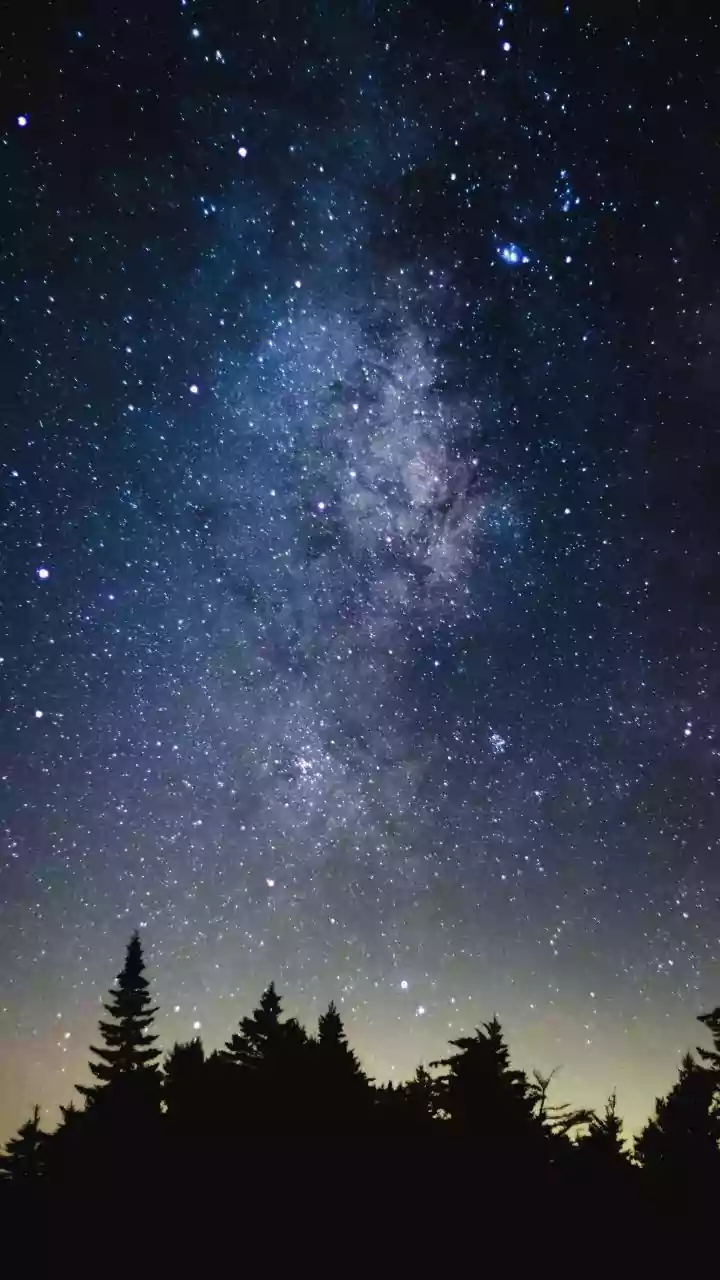
Beyond Saturn, other celestial neighbours are also making an appearance. Jupiter, the giant of our solar system, will be a brilliant object in the early morning sky, rising after 2 a.m. and reaching its highest point just before dawn. Mars will also be visible in the pre-dawn hours. Meanwhile, October is a prime month to spot the Andromeda Galaxy, our nearest major galactic neighbour. From a location with dark skies, away from city light pollution, this massive collection of stars, 2.5 million light-years away, is visible as a faint, fuzzy smudge to the naked eye. Use a pair of binoculars to get a more defined view of this island universe.