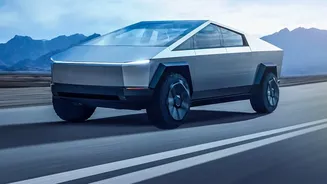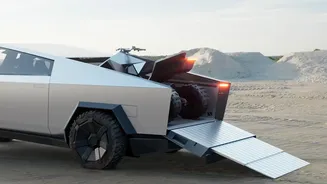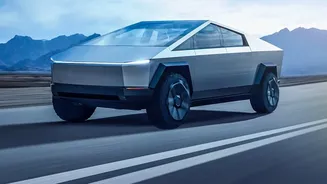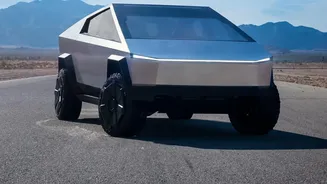


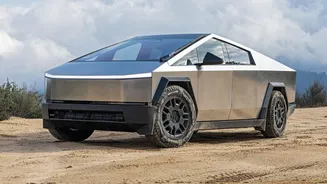
Tesla plans to wind down production of its iconic Cybertruck by mid-2027. The move signals a major pivot for the electric vehicle maker, shifting factory space and resources away from the polarising pickup and toward a new priority: the Cybercab robotaxi.
The End of an Era?
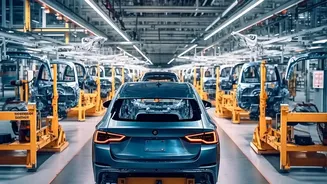
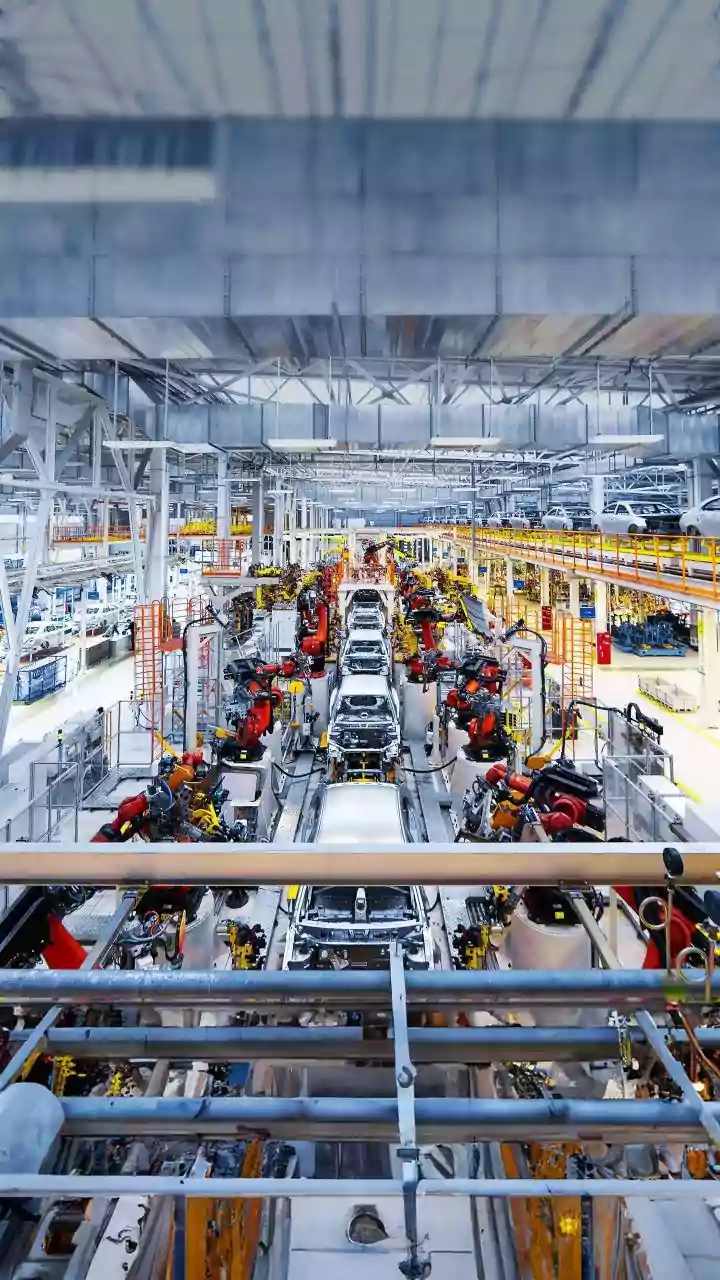
In a surprise announcement on the social media platform X, CEO Elon Musk confirmed that Tesla will phase out Cybertruck production at its Gigafactory in Texas. This facility is the only plant equipped to build the vehicle, with its unique stainless-steel exoskeleton and specialised components. The change is scheduled to take place around the middle of 2027 to free up manufacturing capacity for the Cybercab, a two-seater, self-driving robotaxi that sits at the heart of Tesla's future ambitions. While Musk's statement didn't explicitly confirm a total discontinuation, the implication is that the Cybertruck's journey is coming to an end, with key engineers on the project referring to it as an 'incredible technology platform' that 'lives on through Cybercab'. To clear a significant backlog of orders before the transition, Musk also announced that Tesla will add an extra production shift.
A Troubled Production History
The Cybertruck's path from its dramatic 2019 unveiling to customer driveways has been rocky. Initially promised for 2021 with a starting price under $40,000, the truck faced multiple delays and significant price hikes. By the time deliveries began in late 2023, the base price had soared to over $60,000, and it has since climbed higher. Throughout its production run, the vehicle has been plagued by quality control issues and numerous recalls for problems ranging to pedals to cameras. Sales figures never met the lofty initial projections of 250,000 units per year. Data shows that after peaking in 2024, sales have steadily declined, with only a few tens of thousands sold in total—a fraction of the original goal. Its radical design also made it ineligible for sale in major markets like Europe due to safety regulations.
Pivoting to an Autonomous Future
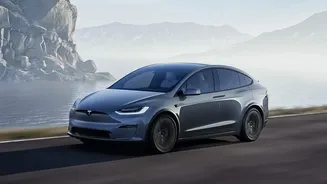
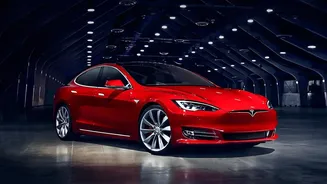
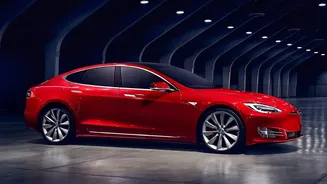
The decision to cease Cybertruck production is less about the pickup's failures and more about Tesla's strategic pivot towards artificial intelligence and robotics. The Cybercab represents the company's bet on a future dominated by autonomous transportation networks. This vehicle, which has no steering wheel or pedals, is designed for a ride-hailing service owned and operated by Tesla. By freeing up the advanced manufacturing space at Gigafactory Texas, Tesla aims to aggressively scale up Cybercab production. This move follows a pattern; Tesla previously ended production of its flagship Model S and Model X vehicles to allocate resources to its Optimus humanoid robot project. For Tesla, the future isn't just about selling cars to individuals but about creating and controlling an autonomous ecosystem.
What This Means for the Market
Winding down Cybertruck production marks a significant moment for the electric vehicle market. The truck was hailed as a revolutionary challenger to the established pickup segment dominated by giants like Ford and GM. However, its high price, polarising aesthetics, and production difficulties ultimately limited its impact. For current and prospective owners, the focus now shifts to how Tesla will handle service and parts for the existing fleet. For the wider auto industry, it underscores the immense difficulty of launching and scaling a truly unconventional vehicle. As Tesla doubles down on its Cybercab and autonomous driving, competitors in the electric truck space, such as Rivian, Ford, and Chevrolet, now have a clearer field to compete for consumers seeking a more traditional take on the electric pickup.