

The Joy of Earning Your Beach
The most memorable travel experiences often require a little effort, and finding a secluded Greek beach is no exception. While many visitors flock to the easily accessible shores, a vast network of ancient footpaths and coastal trails offers a rewarding
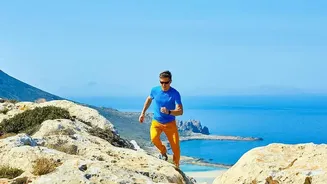
alternative. These paths, once the primary way to travel between villages, now serve as gateways to paradise for those willing to explore. A short walk of 20 to 60 minutes can transport you from a busy port to a quiet cove with crystal-clear water. This approach not only saves you the cost and rigidity of a boat tour but also connects you more deeply with the island's rugged, beautiful landscape. All you need is a sturdy pair of shoes, plenty of water, and a sense of adventure.
Crete: The Hiker's Paradise
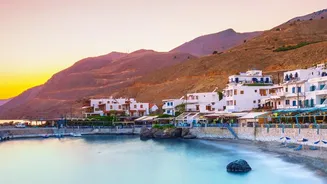
Crete, Greece's largest island, is a treasure trove for walkers. Its southern coast, in particular, is laced with trails that lead to some of Europe's most stunning beaches. From the village of Matala, a well-trodden path leads over a headland to the famous Red Beach (Kokkini Ammos), known for its unique reddish sand. Further east, the area around Chora Sfakion is a hub for coastal hiking. A dramatic cliffside path on the E4 European long-distance trail connects the town to Glyka Nera, or 'Sweet Water Beach', named for the freshwater springs that bubble up beneath its pebbles. Many of these trails are well-marked and offer breathtaking views of the Libyan Sea, proving that the journey is just as spectacular as the destination.
Folegandros: Dramatic Paths to Tranquility
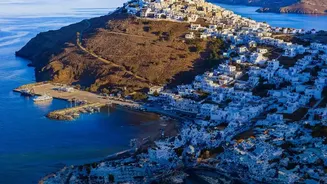
For an experience defined by dramatic cliffs and Cycladic charm, Folegandros is unbeatable. This small island has a network of old donkey trails that are now perfect for hikers seeking solitude. Many paths begin from the main town of Chora or the village of Ano Meria. A popular and relatively easy walk takes you from the main road down to Livadaki beach, a sheltered bay of turquoise water near the island's lighthouse. Another classic route connects Agali Beach to the quieter shores of Agios Nikolaos and Galyfos, a short 15-20 minute walk that rewards you with shade from tamarisk trees and a peaceful atmosphere. These walks are rarely crowded, offering an authentic sense of discovery and a chance to enjoy the island's wild, unspoilt character.
Amorgos: The Big Blue on Foot
Famous for its appearance in the film 'The Big Blue', Amorgos is a haven for hikers. The island is crisscrossed by a series of well-marked trails known as the 'Blue Paths', so named because the sea is almost always in view. These routes connect traditional villages, ancient sites, and, of course, magnificent beaches. The 'Palia Strata' or Old Strata, is a historic trail that runs along the spine of the island, offering incredible views from the cliffside Monastery of Hozoviotissa down to the bay of Aegiali. Shorter routes, like the Melania path, wind through villages and lead to secluded swimming spots, allowing you to experience the island's fragrant herbs and stunning natural beauty at your own pace.
Tips for Your Coastal Walk
Before you set off, a little preparation goes a long way. The best times to hike in Greece are during the spring and autumn when the weather is cooler and the landscapes are often lush with wildflowers. Always wear sturdy, comfortable shoes, as many paths are rocky and uneven. The Greek sun is strong, so a hat, sunscreen, and at least 1.5 litres of water per person are non-negotiable, even for a short walk. While some trails end at beaches with small tavernas, many lead to completely wild coves, so packing snacks is a wise idea. Finally, always tell someone where you are going and check the weather, as winds can be strong on coastal routes. With these simple precautions, you're ready to discover the hidden side of the Greek islands.