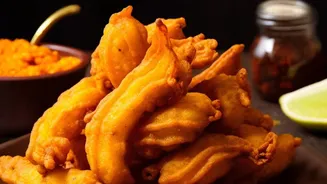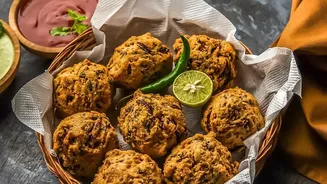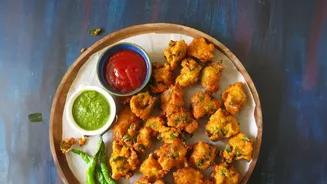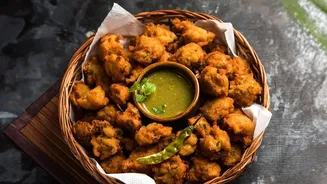

Perfect Your Batter Consistency
The secret to a less oily pakora begins with the batter. A batter that is too thin will not coat the bread properly and will absorb a lot of oil. Conversely, a batter that is too thick will result in a dense, doughy coating that can taste uncooked. Aim
for a smooth, medium-thick consistency, similar to pancake batter but slightly thicker, that coats the back of a spoon without being runny. To achieve this, add water to your besan (gram flour) gradually while whisking continuously to avoid lumps. Many cooks also swear by a resting period for the batter, suggesting it improves the texture.
Enhance the Batter for Extra Crisp
For an even crispier and less oil-absorbent crust, a few additions to your standard besan batter can make a world of difference. Adding a small amount of rice flour or cornstarch is a popular technique. These flours help create a lighter, crunchier exterior that acts as a better barrier against oil. Another clever trick is to add a tablespoon of hot oil from the pan directly into your batter just before frying. This seems counterintuitive, but it helps in making the pakora crispier and reduces overall oil absorption. A pinch of baking soda can also be added to make the coating lighter and fluffier.
Master Your Frying Temperature
The temperature of the oil is perhaps the most critical factor in preventing greasy pakoras. If the oil is not hot enough, the bread will sit in it for longer, soaking it up like a sponge and becoming heavy and oily. If the oil is too hot, the outside will burn before the inside is properly cooked. The ideal temperature is a steady medium-high heat, around 175–180°C. If you don't have a thermometer, you can test the oil by dropping a tiny bit of batter into it. If it sizzles and rises to the surface immediately without browning too quickly, the oil is ready.
Don't Overcrowd the Pan
It can be tempting to fry as many pakoras as possible in one go, but overcrowding the pan is a common mistake. Adding too many pieces at once causes the oil temperature to drop significantly. When the temperature falls, the pakoras will start absorbing more oil instead of frying to a crisp. Fry in small batches, ensuring there is enough space between each pakora to cook evenly. This helps maintain a consistent, hot temperature, which is key to sealing the outer layer quickly and preventing oil from seeping in.
Drain Them the Right Way
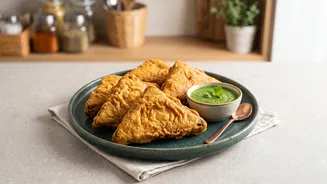
How you drain your pakoras after frying is the final step in the battle against grease. While placing them on paper towels is a common practice, it is not the most effective method. The bottom of the pakora can become soggy as it sits in the absorbed oil on the paper. The superior method is to place the freshly fried pakoras on a wire rack set over a tray or baking sheet. This allows air to circulate all around the pakora, letting excess oil drip away and keeping the entire surface, including the bottom, crisp and perfect.
Healthier Alternatives: Air Frying and Baking
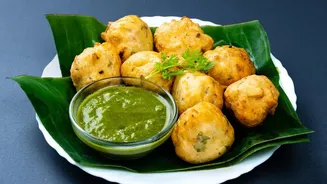
For those who want to enjoy bread pakora with minimal oil, modern kitchen appliances offer fantastic alternatives. Air frying has become a popular method, using circulating hot air to achieve a crispy finish with just a light brushing or spray of oil. To air fry, simply preheat your machine, place the batter-coated bread in a single layer, and cook until golden, flipping halfway through. Baking is another excellent option. Place the pakoras on parchment paper in a preheated oven, which results in a snack that is significantly lower in fat and calories. While the texture may be slightly different from the deep-fried version, these methods provide a delicious, guilt-free way to enjoy your favourite snack.