



The Millet Renaissance
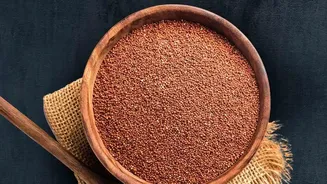
For generations, millets like jowar, bajra, and ragi were central to Indian diets, long before wheat and polished rice became dominant. After falling out of favour during the Green Revolution, these nutrient-dense grains are being rediscovered. Today,
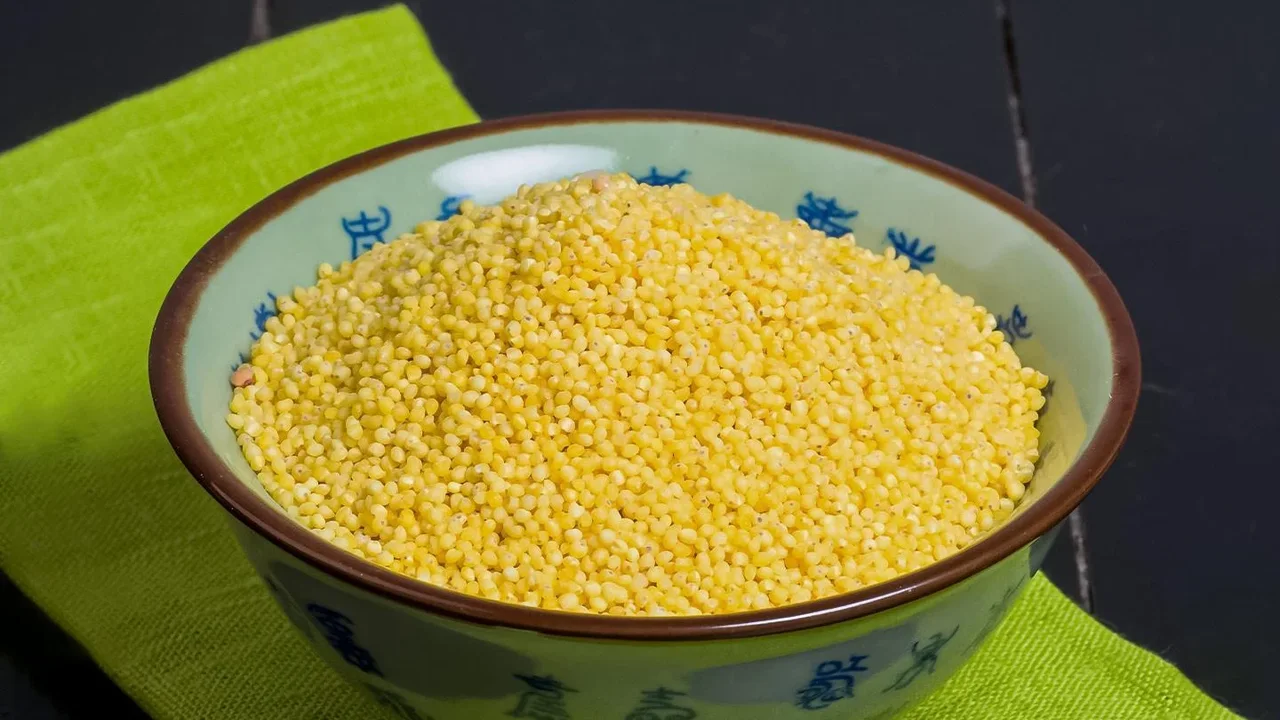
this revival is driven by a growing awareness of health and sustainability. Millets are naturally high in dietary fibre, protein, and essential minerals like iron, magnesium, and calcium. They are also naturally gluten-free and have a low glycemic index, which helps in managing blood sugar levels. Beyond personal health, millets are good for the planet. They are hardy crops that require significantly less water than rice and wheat and can thrive in arid conditions with fewer pesticides, making them a climate-resilient choice for farmers.
The Roti Revival: Regional Favourites
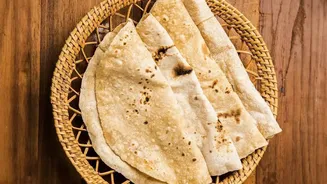
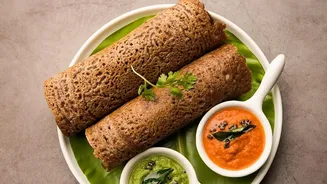
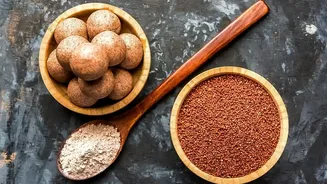
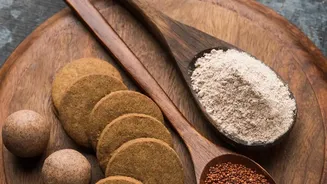
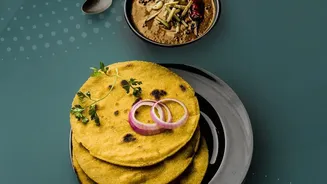
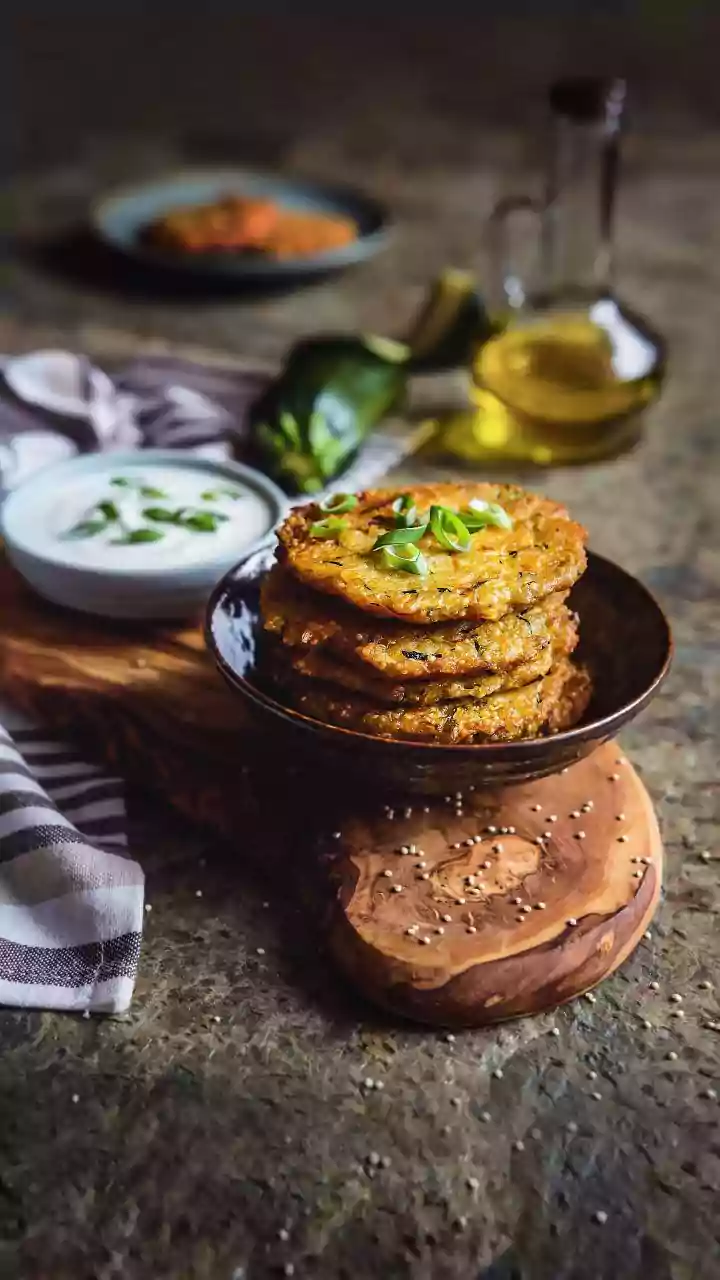
The simplest way to embrace millets is through the daily roti. Different regions have their own beloved versions, each with a unique character. In Maharashtra and parts of Karnataka, Jowar Bhakri is a staple. Made from sorghum flour, this soft, unleavened flatbread is praised for being gentle on the digestive system and is an excellent source of fibre. Head to Rajasthan and Gujarat, especially in winter, and you'll find Bajra Roti. This pearl millet flatbread has a nutty flavour and is known for its warming properties and high iron content. In the South, particularly Karnataka, Ragi Rotti is a powerhouse of nutrition. Made from finger millet, it is one of the best natural sources of calcium and is often enriched with onions, chillies, and herbs.
Beyond the Tawa: Modern Millet Breads
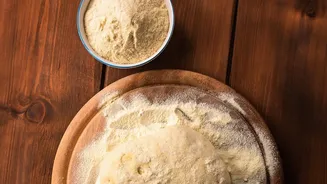
The millet trend isn't just about traditional flatbreads. A new wave of home bakers and artisanal bakeries are incorporating millet flours into modern breads, cakes, and cookies. The challenge with baking leavened bread with millets is their lack of gluten, the protein that gives wheat bread its structure and chewiness. However, bakers are finding creative solutions. Many successful recipes blend millet flour with whole wheat flour to start, gradually increasing the ratio. For completely gluten-free loaves, binders like psyllium husk, xanthan gum, or even eggs are used to achieve a lighter texture. Foxtail and Jowar flours are becoming popular for their mild, slightly nutty flavours that work well in sandwich breads and muffins. These modern creations offer the nutritional benefits of millets in a format that's perfect for toast, sandwiches, and more.
Tips for Perfect Millet Baking at Home
Cooking with millet flours can be tricky at first, as they behave differently from wheat. The most common issue is dryness. Since they are gluten-free, they don't form the same elastic dough. The key is hydration. For rotis, using warm water helps create a softer, more pliable dough. Kneading well is also crucial. For breads, millet flours tend to absorb more liquid, so you might need to adjust the water content in your recipe. A good starting point is to substitute about 20-25% of the regular flour in a recipe with millet flour and see how it turns out. Don't be afraid to blend different flours. Combining Jowar for its mildness with a little Ragi for its earthy notes can create a complex and delicious flavour profile. For rotis that are prone to breaking, patting the dough by hand instead of rolling can yield better results.