



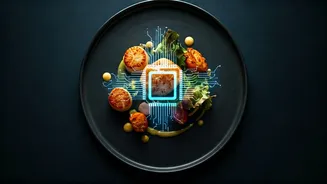



The Rise and Risks of the Ghost Kitchen
The first wave of cloud kitchens, often called 'ghost kitchens', transformed India's food service industry. Operating without a physical storefront, these delivery-only establishments drastically cut down on real estate and staffing costs, allowing entrepreneurs
to launch food brands with minimal investment. Platforms like Zomato and Swiggy fueled this boom, creating a vast digital marketplace. However, this rapid, low-cost expansion came with a significant drawback: a lack of transparency. Customers had no visibility into where or how their food was being made, and reports of poor hygiene, unsafe food handling, and non-compliance with regulations became increasingly common. These issues created a trust deficit that the industry is now scrambling to correct.
A Crisis of Consumer Trust
The promise of convenience quickly became overshadowed by concerns over safety. Stories and videos exposing unsanitary kitchen conditions went viral, and consumer complaints mounted. Regulatory bodies like the Food Safety and Standards Authority of India (FSSAI) stepped up scrutiny, conducting inspections that revealed numerous violations. A recent food safety drive in Cyberabad on July 8, 2026, for example, led to the closure of a cloud kitchen for operating with an expired license and having severe hygiene lapses, including a cockroach infestation. These incidents have made consumers more cautious, understanding that quality and hygiene are critical for satisfaction and safety. It became clear that simply being online wasn't enough; brands needed to prove they were safe.
Enter Cloud Kitchens 2.0: The Trust Revolution
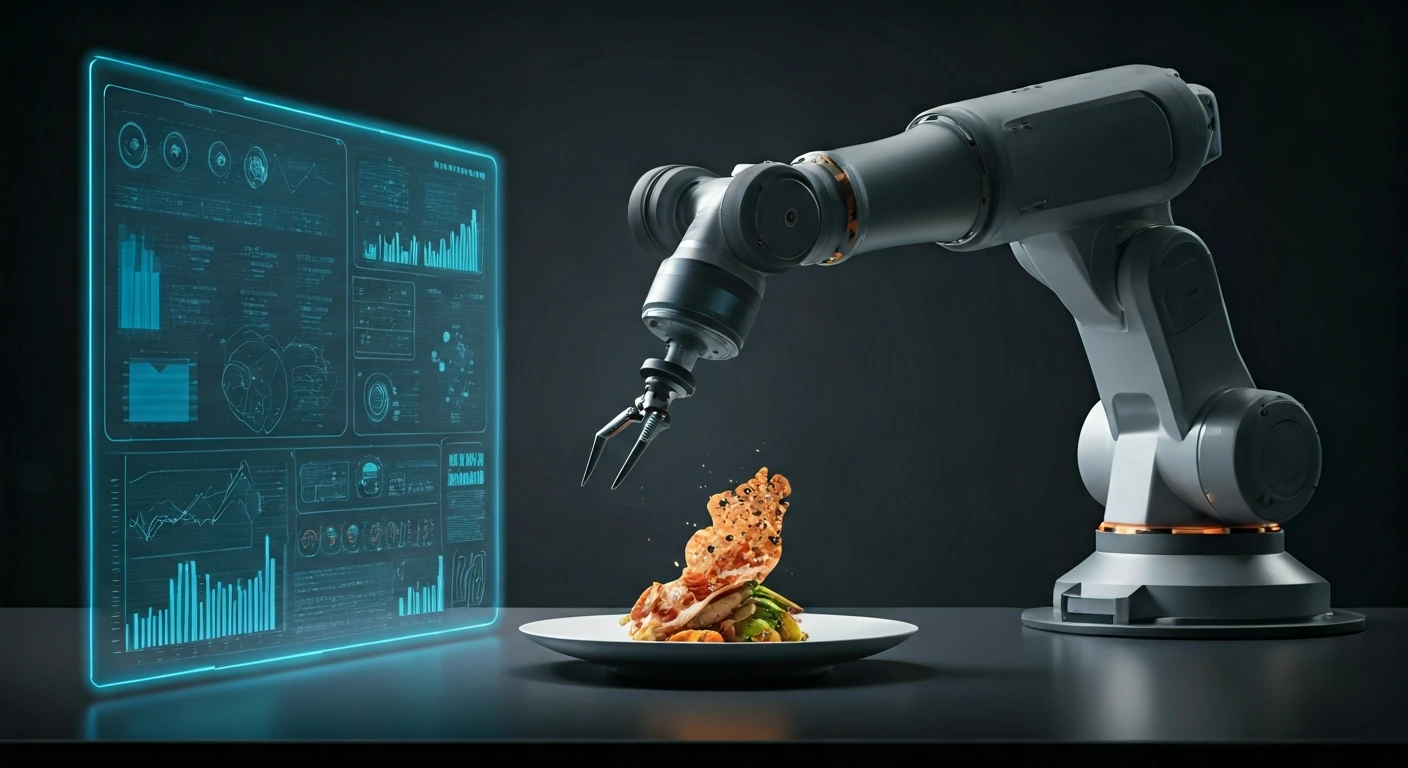
In response, the industry is evolving into what can be called 'Cloud Kitchens 2.0'. This new model shifts the focus from purely cost-efficiency to building demonstrable trust. The core idea is that hygiene is not just a regulatory hurdle but a powerful marketing tool. This next generation of cloud kitchens is defined by its investment in technology and transparency. Operators are leveraging AI for demand prediction and waste reduction, but more importantly, they are using tech to ensure and showcase safety. This includes implementing Hazard Analysis and Critical Control Points (HACCP) plans, using advanced food testing, and maintaining meticulous records for FSSAI compliance. The new currency isn't just speed or price; it's verifiable cleanliness.
How Hygiene Becomes the New Hook
Brands are now actively marketing their safety standards to stand out in a crowded market. This goes beyond a simple FSSAI license, which is a mandatory legal requirement for all food operators. The '2.0' players are using technology to offer radical transparency. Think live camera feeds from kitchens, real-time temperature monitoring data for storage units, and prominent display of hygiene ratings on their apps and websites. They are professionalizing their workforce with mandatory food safety training, like FSSAI's FoSTaC program, and ensuring all staff have medical fitness certificates. By turning the once-hidden kitchen into an open book, these companies are building a brand identity centered on safety, which can justify a premium price and foster long-term customer loyalty.
What This Means For Your Next Meal
For you, the consumer, this evolution is overwhelmingly positive. It means greater peace of mind when you tap 'order'. You can expect higher standards of food safety, more consistent quality, and a greater ability to choose brands based on their commitment to hygiene. This shift will likely lead to a market consolidation, where well-capitalized, professional operators who invest in technology and transparency thrive, while smaller, non-compliant kitchens find it harder to compete. The result is a safer, more reliable online food ecosystem. The next time you're browsing a food delivery app, you won't just be looking at menus and prices; you might also be checking for a brand's hygiene score or even a live kitchen view before making your choice.