




Escaping the All-or-Nothing Trap
Many of us begin a fitness journey with grand ambitions: hour-long workouts, five days a week. While admirable, this all-or-nothing approach often sets us up for failure. A busy day, a sick child, or a late meeting can derail one workout, making us feel
like we've failed the entire plan. This cycle of starting and stopping leaves people feeling defeated. The problem isn't a lack of desire, but a strategy that demands perfection. Behavioral science shows that our brains are wired to conserve energy and take the path of least resistance. When a habit requires immense effort and motivation, it's more likely to be abandoned when life gets complicated.
The Power of 'Just Ten Minutes'
The solution is to make the goal so small it feels almost too easy to skip. Committing to just 10 minutes of daily movement demolishes the mental barrier to starting. It requires less willpower and bypasses decision fatigue. This concept, popularized by behavioral scientists like BJ Fogg, is called a 'micro-habit'. It's not about tricking yourself into a longer workout, although that can happen. It's about successfully completing your goal for the day, which builds the most critical fitness muscle of all: consistency. Each 10-minute session reinforces your identity as someone who exercises, creating a positive feedback loop that builds momentum and confidence.
What Science Says About 'Exercise Snacking'
Don't dismiss these short bursts as insignificant. A growing body of research on 'exercise snacking' — brief bouts of activity spread throughout the day — shows meaningful health benefits. Studies indicate that even 10-minute sessions can improve cardiovascular health, help regulate blood sugar, lower blood pressure, and boost your mood by releasing endorphins. A meta-analysis published in the British Journal of Sports Medicine confirmed that exercise snacks can improve cardiorespiratory fitness in inactive adults. The key takeaway from research is that consistency often matters more than duration or intensity for long-term health.
How to Make Your Micro-Habit Stick
The easiest way to integrate a new micro-habit is to anchor it to an existing routine. This is a technique known as habit stacking. For example: 'After my morning coffee finishes brewing, I will do 10 minutes of stretching' or 'Right before I log off from work, I will go for a 10-minute walk'. By linking the new action to an established one, the old habit becomes the cue for the new one, making it more automatic. Schedule it in your calendar like any other appointment. Treat it as non-negotiable 'me time'. The goal is to make it so ingrained in your daily rhythm that you do it without thinking.
Simple 10-Minute Movement Ideas
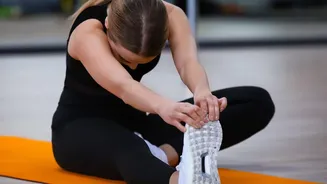
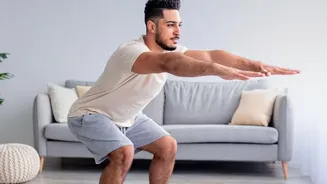
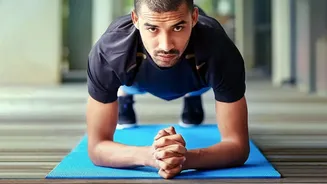
A 10-minute workout doesn't require a gym or fancy equipment. The goal is simply to move your body. A brisk walk around the block is a fantastic option that improves circulation and boosts mood. You could create a simple bodyweight circuit of squats, push-ups (on the wall or floor), lunges, and planks, performing each for 30-45 seconds. Other ideas include climbing stairs, dancing to a few of your favorite songs, a guided yoga flow, or simply stretching. The best activity is the one you enjoy enough to do consistently. Mix it up to keep things interesting and engage different muscle groups.