





Why the Monsoon Demands Extra Care
The magic of the monsoon—cool breezes and lush greenery—unfortunately also creates the perfect environment for unwanted microscopic guests in your kitchen. High humidity and ambient warmth are ideal for bacteria, mould, and fungi to thrive. During this
season, food spoils significantly faster, a problem compounded by every-day realities like frequent power cuts and the simple act of opening the fridge, which introduces warm, moist air. Common foodborne illnesses like gastroenteritis, typhoid, and food poisoning see a spike during these months. The core issue is moisture. It accelerates the growth of microorganisms on food surfaces and can even compromise packaging like paper and metal. This means that leftovers that would be perfectly fine for a couple of days in winter might become risky in less than 24 hours during the monsoon.
Mistake 1: Not Heating Hot Enough
A lukewarm meal isn't just unsatisfying; it's dangerous. The temperature range between 5°C and 60°C is known as the 'danger zone,' where bacteria multiply most rapidly. Simply warming your food is not enough. To ensure safety, leftovers must be reheated thoroughly to an internal temperature of at least 74°C (165°F). For gravies, dals, and soups, this means bringing them to a rolling boil for at least a minute. For solid foods, ensuring it is steaming hot all the way through is critical. A food thermometer is a useful tool, but if you don't have one, visual confirmation of steam is the next best thing. Remember, reheating properly kills the bacteria that may have developed during storage.
Mistake 2: Using the Wrong Method
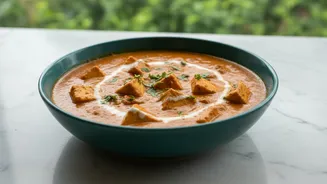
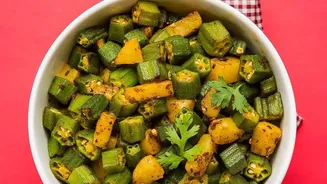
Not all reheating methods are created equal, especially when it comes to the diverse textures of Indian cuisine. Microwaving is fast, but it can heat unevenly, leaving cold spots where bacteria can survive, and it often turns crispy items soggy. The stovetop is generally best for curries, dals, and sabzis. Add a splash of water to prevent scorching and restore the gravy's consistency, then heat on a medium flame, stirring regularly. For dry items like fried pakoras, samosas, or even tandoori chicken, the oven or an air fryer is your best friend. This dry heat method helps restore crispness. Rice is notoriously tricky; it can become dry or clumpy. The best way to reheat rice is in the microwave with a damp paper towel covering it, or on the stovetop with a few sprinkles of water, effectively steaming it back to life.
Mistake 3: Poor Storage Habits
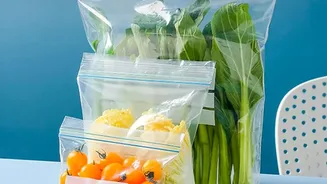
Food safety begins long before you reheat. How you store your leftovers is paramount, especially in the monsoon. A common error is leaving cooked food out on the counter to cool for too long. Perishable food should not be left at room temperature for more than two hours; during the humid monsoon, this window shrinks to less than an hour. To cool food rapidly, divide large batches into smaller, shallow containers before placing them in the refrigerator. This prevents the food from staying in the temperature danger zone for an extended period. Ensure your containers are airtight to lock out moisture and contaminants. Also, be mindful of where you store items in the fridge—keep cooked food separate from raw meat and vegetables to avoid cross-contamination.
Mistake 4: Reheating Food More Than Once
The cycle of cooling and reheating food multiple times is a major food safety risk. Each time food passes through the temperature danger zone, it gives bacteria another opportunity to grow. Furthermore, the process degrades the food's texture, taste, and nutritional value. The best practice is to only reheat the portion you intend to eat immediately. If you've cooked a large pot of dal or sabzi, transfer a single serving to a smaller pan or bowl for reheating, and leave the rest in the fridge. This simple habit not only keeps your food safer but also ensures it tastes better each time you have it. Once a portion of food has been reheated, it should not be put back in the fridge for later.