







Prioritise Light, Warm Meals
The central principle of a monsoon diet in Ayurveda is to support a sluggish digestive system. The damp, cool weather is believed to weaken our 'agni' or digestive fire. This makes it harder for the body to process heavy, cold, or raw foods. The modern
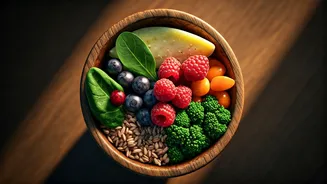
take? It’s simply good sense. Warm, cooked foods like soups, steamed vegetables, and well-cooked dals are easier on the gut. They are pre-digested by heat, requiring less work from your stomach. Think of it as giving your system a break during a season when it's naturally under more stress. A simple moong dal khichdi or a vegetable stew isn't just comfort food; it's a strategic choice for better digestion and energy.
Be Cautious with Leafy Greens
This one often feels counterintuitive. Aren't greens always good for you? Traditionally, Ayurveda advises limiting raw leafy vegetables like spinach and cabbage during the monsoon. The reasoning is twofold: the high humidity and dampness create a perfect breeding ground for germs and bacteria on the leaves, and these fibrous greens can be hard to digest, potentially causing bloating. From a food safety perspective, this holds up. The risk of contamination from soil and water is significantly higher. If you do eat them, ensure they are washed meticulously (perhaps in warm water with a pinch of salt) and cooked thoroughly to kill any potential pathogens. Steaming or adding them to dals and subzis is a much safer bet than a raw salad.
Embrace Bitter and Astringent Flavours
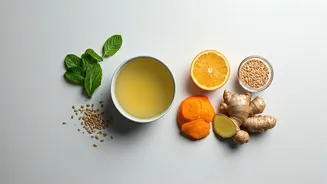
Monsoon is the time to get friendly with bitter tastes. Ingredients like karela (bitter gourd), neem, and spices like turmeric and methi (fenugreek seeds) are highly recommended. In Ayurveda, bitter and astringent tastes are believed to help combat infections, reduce water retention, and stimulate a sluggish digestive system. Modern science points to the powerful anti-inflammatory and antimicrobial properties of compounds found in these foods. Turmeric's curcumin, for instance, is a well-studied anti-inflammatory agent. Incorporating these flavours helps balance the 'doshas' (body energies) that are aggravated during the rainy season and provides a natural boost to your immunity when you need it most.
Moderate Your Dairy Intake
Craving a cold lassi or a large bowl of dahi? You might want to think twice. Ayurveda suggests that heavy dairy products like cheese, paneer, and yoghurt can be mucus-forming and difficult to digest during the monsoon, potentially aggravating colds and coughs. While dahi is a probiotic, its cold potency is believed to slow down digestion in this season. If you must have dairy, opt for buttermilk (chaas) spiced with ginger and cumin, which aids digestion. Alternatively, having yoghurt at room temperature during lunchtime, when digestive fire is strongest, is a better option than consuming it cold or at night. It's about moderation and timing, not total elimination.
Hydrate Wisely, Not Just Widely
It's easy to drink less water when you don't feel thirsty due to the lower temperatures and humidity. However, staying hydrated is crucial for flushing out toxins and maintaining good health. The traditional rule is to drink warm or boiled water. This isn't just about hygiene—though it’s a critical factor in preventing water-borne diseases like typhoid and cholera. Warm water is also believed to stimulate digestion and help clear congestion. Herbal teas made with ginger, tulsi, and cinnamon are excellent choices. They not only provide hydration but also have warming, immunity-boosting properties that are perfect for the damp weather.
The Pakora Paradox: To Fry or Not to Fry?
No monsoon discussion is complete without mentioning the deep-fried pakora. While every instinct screams for a plate of hot, crispy bhajiyas with chai, Ayurveda cautions against excessive fried and oily foods. They are heavy on the digestive system and can lead to indigestion and acidity. So, is this a hard no? Not necessarily. The paradox is that a small amount of oil is considered necessary to balance the 'Vata' dosha, which is aggravated by the cold and dry-yet-damp weather. The key is balance. Indulge occasionally, preferably when homemade with fresh oil. And listen to your body. If you feel heavy or bloated after, it’s a sign to cut back. A better approach is to enjoy them as a rare treat, not a daily staple.