
More Than Just a Garnish
The appeal of a balcony herb garden goes far beyond the convenience of snipping fresh coriander for your dal. For many apartment dwellers, it's a powerful tool for wellness and sustainable living. Studies and gardeners agree that spending even a few minutes
surrounded by greenery can reduce stress and improve mental well-being. It offers a daily connection to nature that can be grounding in a busy city life. Beyond the mental benefits, growing your own herbs reduces kitchen waste and saves money. Instead of buying a large bunch of mint for a single chutney and watching the rest wilt, you can pick exactly what you need, when you need it. Furthermore, many herbs like mint and lemongrass act as natural insect repellents, making your balcony a more pleasant place to relax.
Your Starter Herb Toolkit
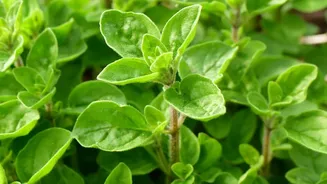
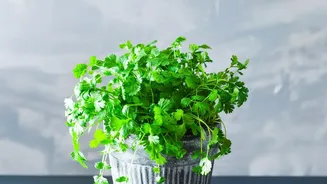
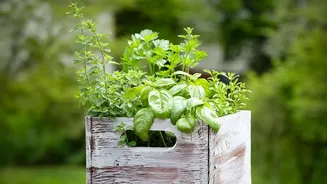
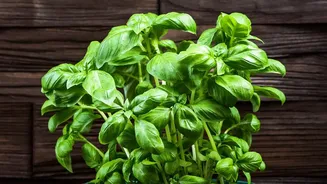
Starting your garden is simpler than you think, especially with herbs that are well-suited to India's climate. For beginners, it's best to choose resilient plants that offer quick rewards. Tulsi (Holy Basil) is a must-have, known for its medicinal properties and ability to thrive in a pot with good sunlight. Mint (Pudina) is another excellent choice; it grows incredibly fast, so it's best to keep it in its own container to prevent it from taking over. Coriander (Dhania) is perfect for those who cook Indian food regularly, providing fresh leaves for countless dishes. Curry Leaves (Kadi Patta) are a long-term investment that pays off with aromatic leaves essential for South Indian cooking. Finally, Lemon Grass is a tough plant that loves a sunny balcony and fills the air with a fresh scent while being readily available for your evening tea.
Setting Up Your Green Corner
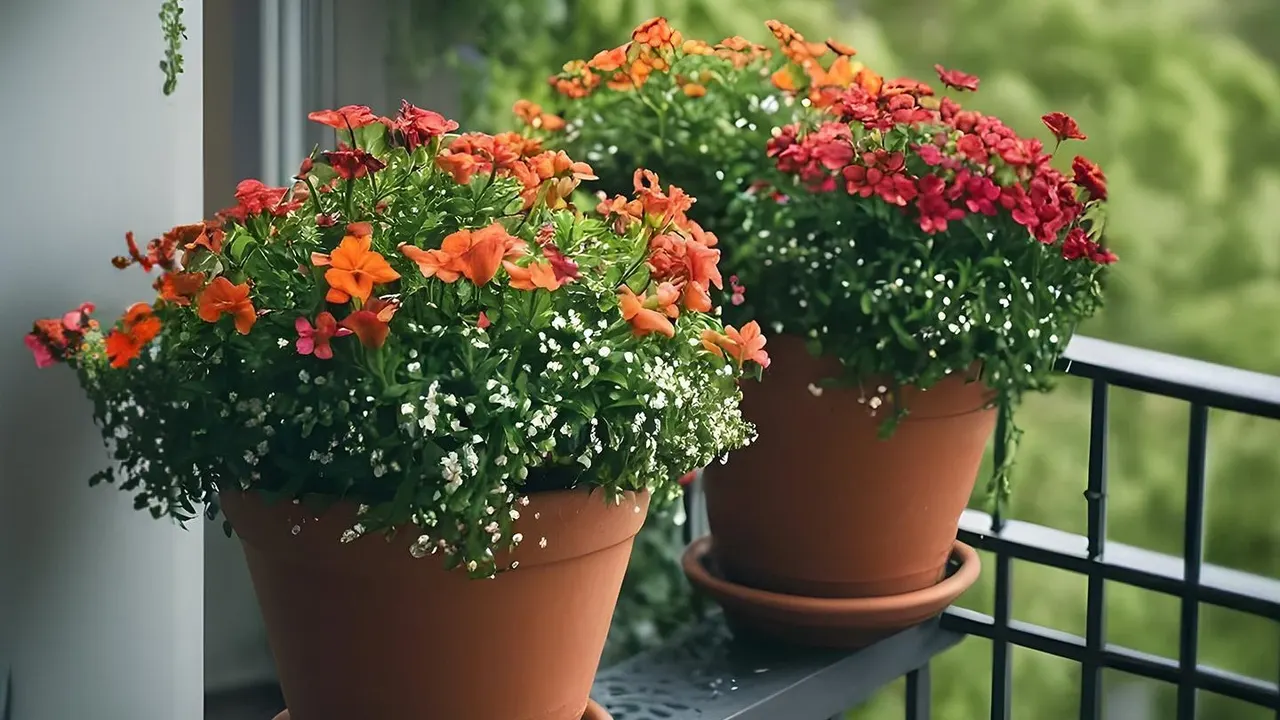
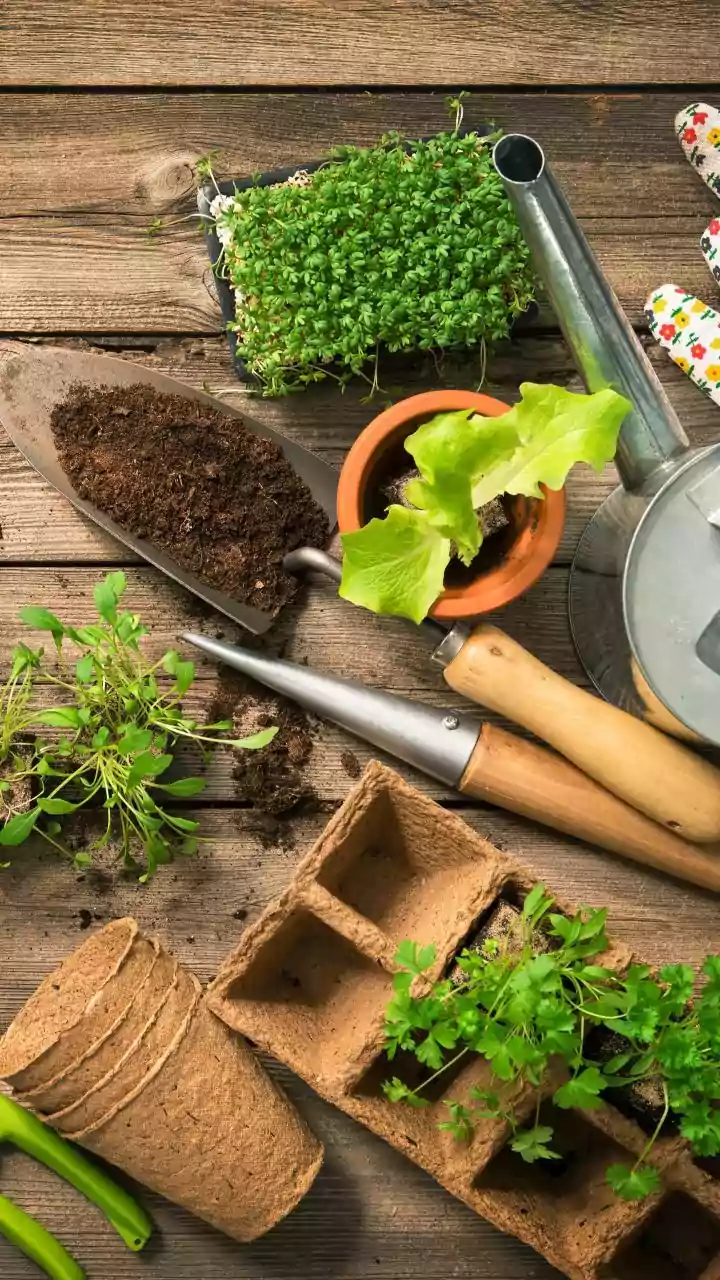
You don’t need a lot of fancy equipment to get started. The first step is to assess your sunlight. Most culinary herbs need at least four to six hours of direct sun per day. Observe your balcony to find the sunniest spot. Next, choose your containers. Terracotta pots are a great choice as they are porous and allow roots to breathe, but any container with drainage holes at the bottom will work. Using pots at least 8-10 inches deep is a good rule of thumb. Do not use soil directly from a garden, as it becomes compacted and waterlogged in pots. Instead, buy a quality potting mix or create your own by blending potting soil with compost for nutrients and coco peat or perlite to ensure good drainage and aeration. This light, airy mix is the secret to happy, healthy roots in a container environment.
Simple Rules for a Thriving Garden
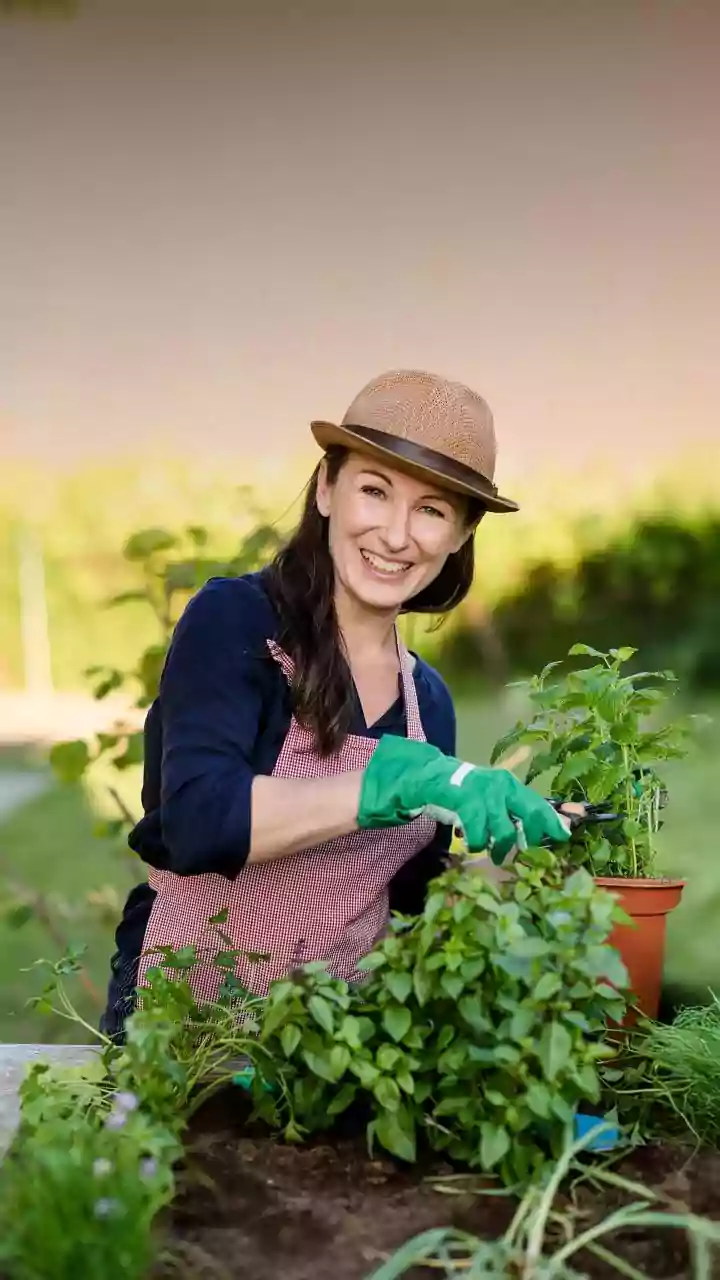
Once your herbs are planted, care is straightforward. The most common mistake beginners make is overwatering. Herbs hate having 'wet feet', which can lead to root rot. A good rule is to water only when the top inch of the soil feels dry to the touch. When you do water, soak the soil thoroughly until water runs out of the drainage holes. Balconies can be windy, which dries out plants faster, so keep an eye on your pots, especially during hot afternoons. The final secret to a lush garden is regular harvesting. Don't be afraid to snip leaves and stems. Frequent trimming encourages the plants to become bushier and more productive, giving you a continuous supply of fresh herbs for your culinary adventures. This simple act of cutting what you need for dinner is what keeps the garden giving back.