






The Origins of a Humble Superfood
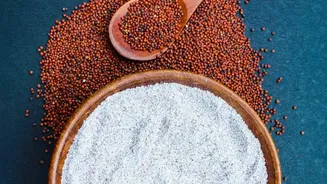
Ambali is traditionally a humble, nutritious porridge or drink from Southern India, particularly states like Karnataka. Made from ragi (finger millet) flour, it has long been a staple for farmers, valued for its ability to provide sustained energy and
a natural cooling effect. The process involves cooking ragi flour with water to form a gruel, which is then allowed to ferment overnight. This natural fermentation gives the drink its characteristic mild tang and, more importantly, unlocks a host of health benefits. Often served savoury with buttermilk, salt, and perhaps some chopped onions or herbs, it was a practical and nourishing meal in a glass, perfectly suited to a hot climate.
Why Fermentation Is the Secret Ingredient
The recent wellness boom has brought fermented foods to the forefront, and Ambali fits perfectly into this trend. The fermentation process enriches the drink with probiotics, the beneficial bacteria that are crucial for good gut health and digestion. These live cultures can help improve nutrient absorption and support the immune system. Furthermore, fermenting ragi helps reduce its phytic acid content, an anti-nutrient that can inhibit the body's ability to absorb minerals like calcium and iron, both of which ragi is famously rich in. The result is a beverage that is not only refreshing but also a powerhouse of bioavailable nutrients, making it a far cry from sugary, packaged summer drinks.
From Rural Staple to Urban Elixir
So, how did this rustic coolant find its way onto the menus of trendy urban cafes? The shift is part of a larger culinary movement that champions the revival of indigenous ingredients and traditional recipes. As health-conscious consumers seek out local, sustainable, and nutrient-dense options, forgotten superfoods like millets are being rediscovered. Cafes, in their quest to offer unique and authentic experiences, are looking into India's own culinary backyard for inspiration. Ambali, with its impressive health credentials and refreshing taste, presents the perfect candidate. It’s naturally gluten-free, hydrating, and aligns with the growing demand for functional foods that offer benefits beyond basic nutrition.
The Cafe Craft: A Modern Makeover
In the hands of creative cafe owners and chefs, Ambali is undergoing a transformation. While the soul of the drink—fermented ragi—remains, the execution is entirely modern. The presentation is the first noticeable change; instead of a simple tumbler, the drink is often served in stylish glassware, instantly elevating its appeal. The flavour profiles are also being reimagined. Cafes are experimenting with infusions, adding ingredients like fresh mint, ginger, green chili, and roasted cumin powder for a more complex taste. Some are even creating sweeter versions with a touch of jaggery or fruit, catering to a wider range of palates. The texture might be refined to be smoother and more beverage-like, marketed as a 'probiotic smoothie' or a 'millet cooler' to resonate with a modern, wellness-savvy audience.
A Taste of a Sustainable Future
The rise of Ambali in urban cafes is more than just a passing fad; it signals a deeper cultural shift. It represents a growing appreciation for India's rich agricultural and culinary heritage. By reintroducing such traditional foods in a contemporary context, cafes are not only offering exciting new flavours but also supporting the millet farming ecosystem. This trend celebrates the idea that what is traditional can also be modern and aspirational. It proves that the answers to today's wellness and sustainability challenges can often be found in the wisdom of the past, hiding in plain sight in our own kitchens and fields.