


A UNESCO World Heritage Canvas
First, let's establish what the Valley of Flowers is. This is not just any beautiful mountain valley; it's a UNESCO World Heritage Site, a designation that places it in the company of the world’s most precious natural wonders. Nestled high in the Chamoli
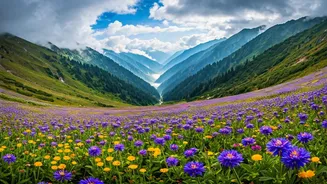
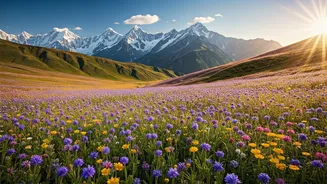
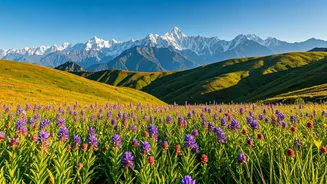
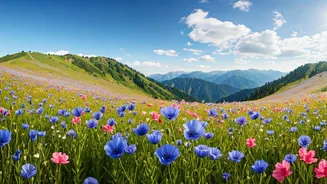
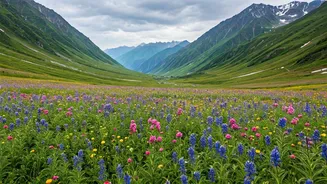
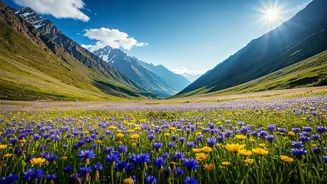
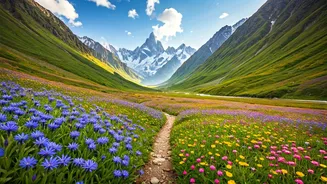
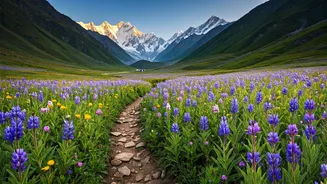
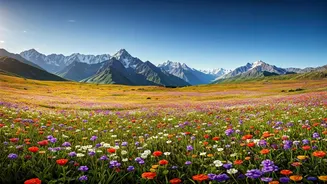
district of Uttarakhand, the valley transforms into a vibrant carpet of over 500 species of alpine flowers during the monsoon. Imagine walking through swathes of blue poppies, Himalayan bellflowers, cobra lilies, and the elusive Brahma Kamal, all set against a backdrop of snow-dusted peaks. Its 'best' claim starts here: no other trek in India offers such a concentrated, world-renowned botanical spectacle. It’s less a trek and more a pilgrimage into a living painting, an experience that prioritises sublime beauty over adrenaline-pumping challenges.
The Journey: Gentle and Rewarding
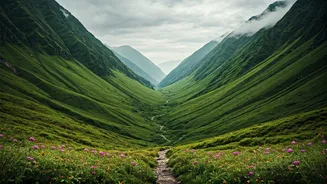
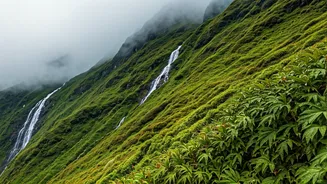
One of the trek's strongest arguments for being 'the best' is its accessibility. Classified as an easy-to-moderate trek, it doesn’t demand the extreme fitness levels required for many other high-altitude Himalayan adventures. The journey typically starts from Govindghat, with a gradual ascent to the bustling base camp of Ghangaria. From Ghangaria, a relatively gentle 4-kilometre walk takes you into the heart of the valley. This accessibility makes it a perfect choice for families, first-time trekkers, and nature lovers who want to experience the high Himalayas without gruelling physical exertion. The path itself is scenic, following the Pushpawati River, with charming bridges and waterfalls keeping you company. The reward-to-effort ratio is exceptionally high, making it an inclusive and deeply satisfying experience for a wide range of people.
Perfect Timing and The Monsoon Magic
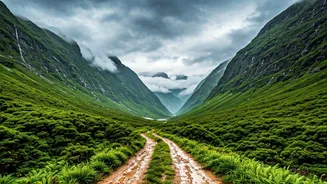
While the headline mentions a 'summer' trek, the true magic of the Valley of Flowers unfolds during the monsoon, from late July to early September. This is a crucial distinction. While other Himalayan regions become risky or inaccessible due to rains, this valley comes alive. The rain nourishes the bloom, washes the air clean, and drapes the mountains in mist, creating a mystical, dream-like atmosphere. Trekking in the light Himalayan drizzle, surrounded by the fragrance of damp earth and wildflowers, is an experience unique to this trail. So, is it the best 'summer' trek? Yes, if your summer plans extend into the monsoon months. For those seeking a classic, sunny-sky trek in May or June, other options might be better suited. But for those willing to embrace the romance of the rains, this period is unparalleled.
More Than a Trek: A Spiritual Detour
What elevates the Valley of Flowers from a mere nature walk to a profound journey is its proximity to Hemkund Sahib, one of the most revered Sikh pilgrimage sites. From the same base camp at Ghangaria, a separate, more challenging trail leads up to a stunning high-altitude glacial lake, beside which sits the star-shaped Gurudwara. Many trekkers combine both destinations, spending one day in the Valley of Flowers and another making the pilgrimage to Hemkund Sahib. This blend of natural wonder and deep-seated spirituality gives the trip a unique cultural and emotional weight. It's an opportunity to witness breathtaking landscapes while also observing an incredible display of faith. This duality is a powerful component of its claim to being the 'best,' as it offers a richer, more layered experience than a simple mountain trail.
The Verdict: Best for Whom?
So, is it the best? The answer depends on what you seek. If 'best' means the highest pass, the most technical climb, or a thrilling adrenaline rush, then perhaps treks like the Hampta Pass or Stok Kangri might be better contenders. The Valley of Flowers is not about conquering peaks; it’s about surrendering to beauty. It doesn’t test your limits as much as it fills your senses. It trades raw, rugged adventure for an almost spiritual immersion in nature’s most delicate artistry. It is arguably the best trek in India for photographers, botanists, families, spiritual seekers, and anyone who wants to witness a spectacle of nature so overwhelming it feels almost unreal.