






The Game-Changing 'Use-First' Box
The concept is wonderfully simple: designate one container or a specific area in your fridge for items that need to be eaten soon. This 'eat me first' zone acts as a visual reminder, ensuring that produce at its peak or nearing its end-of-life gets used
rather than discarded. By dedicating a spot for these items, you stop them from getting lost behind last week's leftovers or newer groceries. Professional organisers and food waste experts swear by this method because it makes your kitchen more functional and your habits more sustainable. You can use any clear container, a simple tray, or even just a designated shelf. The key is to make it a non-negotiable part of your fridge organisation.
What Goes in the Box?
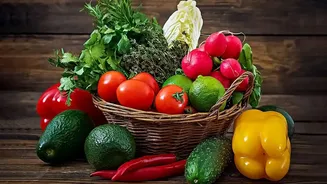
Your use-first box should become the home for three key categories of produce. First, delicate vegetables that wilt quickly. This includes leafy greens and fresh herbs like coriander (dhania) and mint (pudina), which are staples in Indian cooking but notoriously fragile. Second, gather all the 'half-used heroes'—the leftover half of an onion, a wedge of lemon, or a piece of ginger from last night’s dinner. Third, include any open packages, like a bag of peas or carrots, and loose items such as chillies or a single tomato that might otherwise roll away and be forgotten. Anything that is pre-cut or prepared should also go in here to ensure it gets consumed quickly.
Location, Location, Visibility
Where you place your use-first box is crucial to its success. The goal is maximum visibility. Putting the box on an upper shelf at eye-level makes it one of the first things you see when you open the fridge door. This is far more effective than tucking it away in a crisper drawer at the bottom, which often becomes a 'vegetable graveyard' for forgotten produce. Many people have found success by moving less-perishable items like condiments and sauces to the crisper drawers and dedicating the prime, eye-level real estate to the foods that need your immediate attention. Using clear, stackable containers further enhances visibility, allowing you to see exactly what you have at a glance without having to dig around.
Making It a Post-Grocery Habit
To make this system work, you need to integrate it into your routine. The best time to stock your use-first box is immediately after a trip to the sabzi mandi or grocery store. As you unpack, perform a quick triage. Identify which new items are delicate and which existing items are now on the clock. Move older produce to the front of the box and place the newest additions towards the back. This 'first in, first out' rotation ensures nothing gets left behind. A regular sweep of your fridge, perhaps before you go shopping or on trash day, also helps you take stock of what needs to be moved into the box and used up in the next meal.
Smart Storage for Delicate Herbs
Coriander and mint are particularly prone to spoiling. To give them the best chance, treat them like a bouquet of flowers. Trim the stems and place them upright in a glass with an inch or two of water. You can then loosely cover the leaves with a plastic bag and store the glass in the fridge door. For greens like spinach, it's often best not to wash them until just before use, as excess moisture encourages decay. If you must wash them, ensure they are completely dry. Wrapping unwashed herbs and greens in a paper towel, which absorbs excess moisture, and then placing them in a container or a slightly open bag can extend their life significantly.