



Beyond the Basic Tea Bag
The first step in elevating your tea experience is understanding the difference between the 'dust' in most mass-market tea bags and whole loose-leaf tea. Tea bags often contain fannings—tiny, broken pieces of tea leaves left over from processing higher
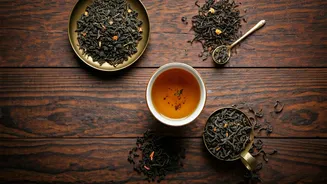
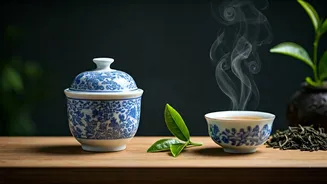
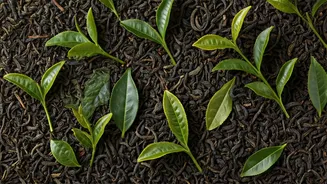
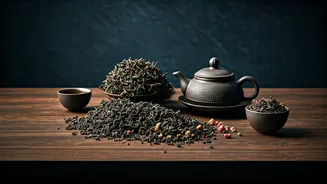
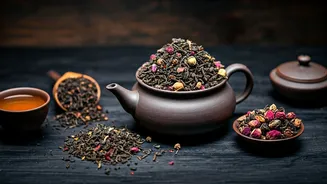
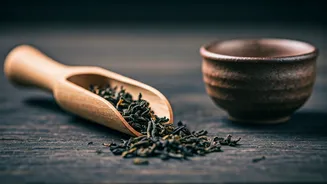
grades. These particles brew quickly, but they also release tannins rapidly, often resulting in a bitter, one-dimensional flavour. Authentic tea, by contrast, consists of whole or nearly whole leaves. When steeped, these leaves have the space to unfurl and gradually release their complex aromas and essential oils, offering a more nuanced and layered taste. A quality loose-leaf tea can often be steeped multiple times, with each infusion revealing a slightly different character. Opting for loose-leaf is the foundational step toward a more rewarding cup.
Speak the Language of Tea
To shop with confidence, it helps to know a few key terms. The word 'terroir', borrowed from the world of wine, refers to the unique environment where a tea is grown—including the soil, climate, and altitude. These factors create the distinct flavour profile of a tea from a specific place, which is why a Darjeeling from India tastes so different from a Keemun from China. You'll also encounter the term 'flush', which refers to the harvest season. For example, a Darjeeling First Flush is picked in early spring and is typically light, floral, and brisk. The Second Flush, harvested in early summer, has a richer, more rounded flavour with classic 'muscatel' notes of ripe grapes. Understanding these concepts helps you decipher labels and make more informed choices.
How to Find a Good Vendor
A reputable tea vendor, whether a local shop or an online store, is your most important guide. Passionate and knowledgeable staff are a clear green flag; they should be able to answer your questions without snobbery. A good vendor provides transparent sourcing information, telling you not just the country of origin but ideally the specific region or even the tea estate. They should also indicate the harvest year or season, which is crucial for freshness, especially with delicate green teas. Many quality shops offer samples or have tasting sessions, allowing you to try before you commit to a larger quantity. Look for vendors who seem eager to share their passion and educate their customers, as this is a sign they care about the quality of their product.
Single Origin vs. Blends
As you explore, you'll see teas described as 'single origin' or 'blends'. A single-origin tea comes from one specific farm or region, offering a pure expression of that area's terroir. Its flavour can vary slightly from year to year, which is part of its charm. Blends, on the other hand, combine teas from different origins to create a specific, consistent flavour profile. A classic English Breakfast is a blend designed to be robust and reliable. Neither is inherently better; they simply serve different purposes. A single origin tells a story of a place, while a blend is an expression of the tea master's craft.
Use Your Senses
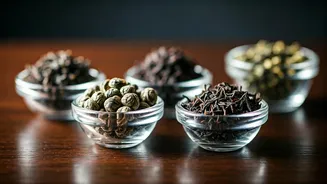
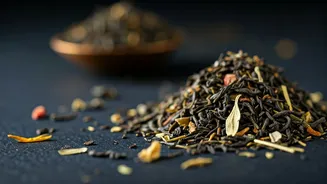
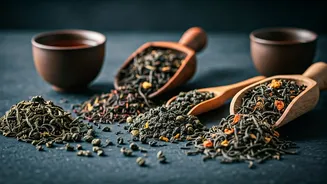
Ultimately, the best way to assess tea is to trust your own senses. Look at the dry leaves: are they whole and uniform in appearance, or are they broken and dusty? High-quality tea should have a vibrant, natural aroma—it might be floral, grassy, or nutty, but it should never smell artificial or stale. When you find a shop, ask to smell the leaves. A good vendor will happily oblige, often keeping large caddies of tea on shelves for this purpose. As you get more experienced, you’ll learn to connect the appearance and scent of the dry leaf to the flavours that emerge in the cup.
Protecting Your Purchase
Once you've brought your beautiful tea home, proper storage is key to preserving its freshness and flavour. Tea is sensitive to light, heat, moisture, air, and strong odours. The best way to store it is in an opaque, airtight container kept in a cool, dark, and dry place, like a cupboard. Avoid storing it near your spice rack or in the refrigerator, as the leaves can easily absorb other smells. Many teas come in resealable, light-proof pouches, which are also a great storage option. Proper storage ensures that the small luxury you invested in remains a pleasure to drink for months to come.