




The Science of a Satisfying Bite
The magic behind this pairing is a concept food scientists call “dynamic contrast.” Our brains are wired to seek out interesting sensory experiences, and food is no exception. When you eat something that is uniformly one texture, your brain can start
to tune it out. But when you introduce a contrast—like a crunchy crouton in a velvety soup—it re-engages your senses. This contrast makes each bite feel new and exciting. The sound of a crunch can even make food seem fresher, while a creamy texture often signals richness and comfort. This combination of signals creates a more complete and gratifying eating experience, making the food more enjoyable and memorable.
Ways to Introduce Creaminess
Creaminess provides a luscious, comforting base that coats the palate. This texture often comes from fats, starches, or carefully blended ingredients. It’s the element that can make a dish feel more substantial and indulgent. Think beyond just dairy; many ingredients can provide that sought-after smoothness. A dollop of Greek yogurt or sour cream can cool down a spicy curry, while a swirl of tahini or a smear of hummus can add richness to roasted vegetables. Avocado is another champion of creaminess, perfect on toast or blended into sauces. Don't underestimate the power of pureed vegetables, like potatoes or cauliflower, or slow-cooked legumes to create a velvety foundation for any meal.
Simple Tricks for Adding Crunch
Crunch is the textural exclamation point. It adds brightness, sound, and a satisfying resistance that breaks up monotony. Often, a crunchy element is what keeps a dish from feeling too heavy or one-note. Toasted nuts and seeds are perhaps the easiest way to add crunch to salads, grain bowls, and even pasta dishes. Try pumpkin seeds, toasted almonds, or sesame seeds for an instant boost. Toasted breadcrumbs, especially when mixed with herbs and garlic, are fantastic over roasted vegetables or casseroles. For a fresher, lighter crunch, turn to raw vegetables like thinly sliced radishes, onions, or cucumbers. Even a final sprinkle of flaky sea salt can provide a subtle but effective pop.
Putting It All Together
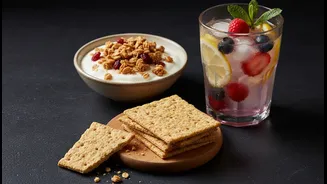
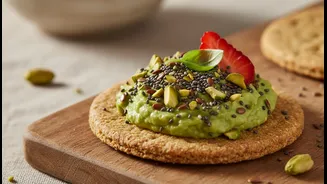
The best dishes often master this textural balancing act. Consider a classic bowl of dal topped with a crunchy tadka of fried spices and onions. Or think about a rich, creamy pasta dish finished with toasted, herby breadcrumbs. A simple salad becomes far more interesting with a creamy dressing and a handful of toasted walnuts. Even breakfast can be a playground for texture: top a smooth yogurt bowl with crunchy granola and fresh fruit, or finish creamy avocado toast with a sprinkle of everything bagel seasoning. The goal isn’t to overload the dish, but to create intentional, balanced layers of texture that make every bite a delight.