






Sorting Your Visas: A Simple Process
Getting the necessary travel authorisations is a straightforward first step. Both Vietnam and Cambodia offer streamlined processes for Indian passport holders. For Vietnam, all Indian citizens require a visa. The most convenient option is the e-visa,
which allows for a stay of up to 90 days and can be applied for online through the official government portal. The fee is approximately $25 USD, and processing usually takes 3-5 business days, though it's wise to apply at least two weeks in advance. For Cambodia, the process is even simpler. Indian citizens can obtain a visa on arrival (VOA) at major airports and land border crossings. The tourist VOA costs $30 USD, is valid for 30 days, and requires a passport-sized photograph and cash for the fee. Alternatively, you can apply for a Cambodian e-visa online beforehand for a small additional processing fee. An important note for those travelling overland: while Cambodia offers VOA at land borders, Vietnam does not. You must have your Vietnamese e-visa secured before attempting to cross into Vietnam by land.
Getting From Vietnam to Cambodia
Connecting the two countries is a well-trodden and easy path. The most popular route is from Ho Chi Minh City in Southern Vietnam to Cambodia's capital, Phnom Penh. You have two main options: bus or flight. By Bus: This is the most popular and budget-friendly choice. Several reliable companies operate daily services, taking approximately 6 to 7 hours, which includes the time spent at the Moc Bai – Bavet border crossing. The journey offers a glimpse into the changing countryside and is a classic backpacker experience. Reputable operators like Giant Ibis and Mekong Express are often recommended. Tickets can be booked online and typically cost between $20 and $35 USD. By Flight: For those short on time, a direct flight is the fastest option. Airlines like Vietnam Airlines and Cambodia Angkor Air operate daily flights between Ho Chi Minh City and Phnom Penh or Siem Reap. The flight itself is only about an hour long, though you must factor in airport transit time. Fares can range from $100 to $200 USD or more, depending on how far in advance you book.
Managing Your Money: Dong, Riel, and Dollars
The two countries have different approaches to currency. In Vietnam, the official currency is the Vietnamese Dong (VND), and it is used for virtually all transactions, from street food to hotels. While you can use cards in larger establishments, cash remains king for smaller purchases, so it's essential to carry Dong. ATMs are widely available in cities and tourist areas for withdrawals. Cambodia has a dual-currency system. The official currency is the Cambodian Riel (KHR), but the US Dollar (USD) is widely accepted and preferred for most tourist transactions. ATMs in Cambodia primarily dispense US Dollars. You will often pay for hotels, tours, and restaurant meals in USD and receive small change in Riel. It's practical to carry a mix of smaller US dollar bills for this purpose. Ensure any US bills you carry are crisp and new, as torn or old notes are often rejected.
Crafting the Perfect Itinerary
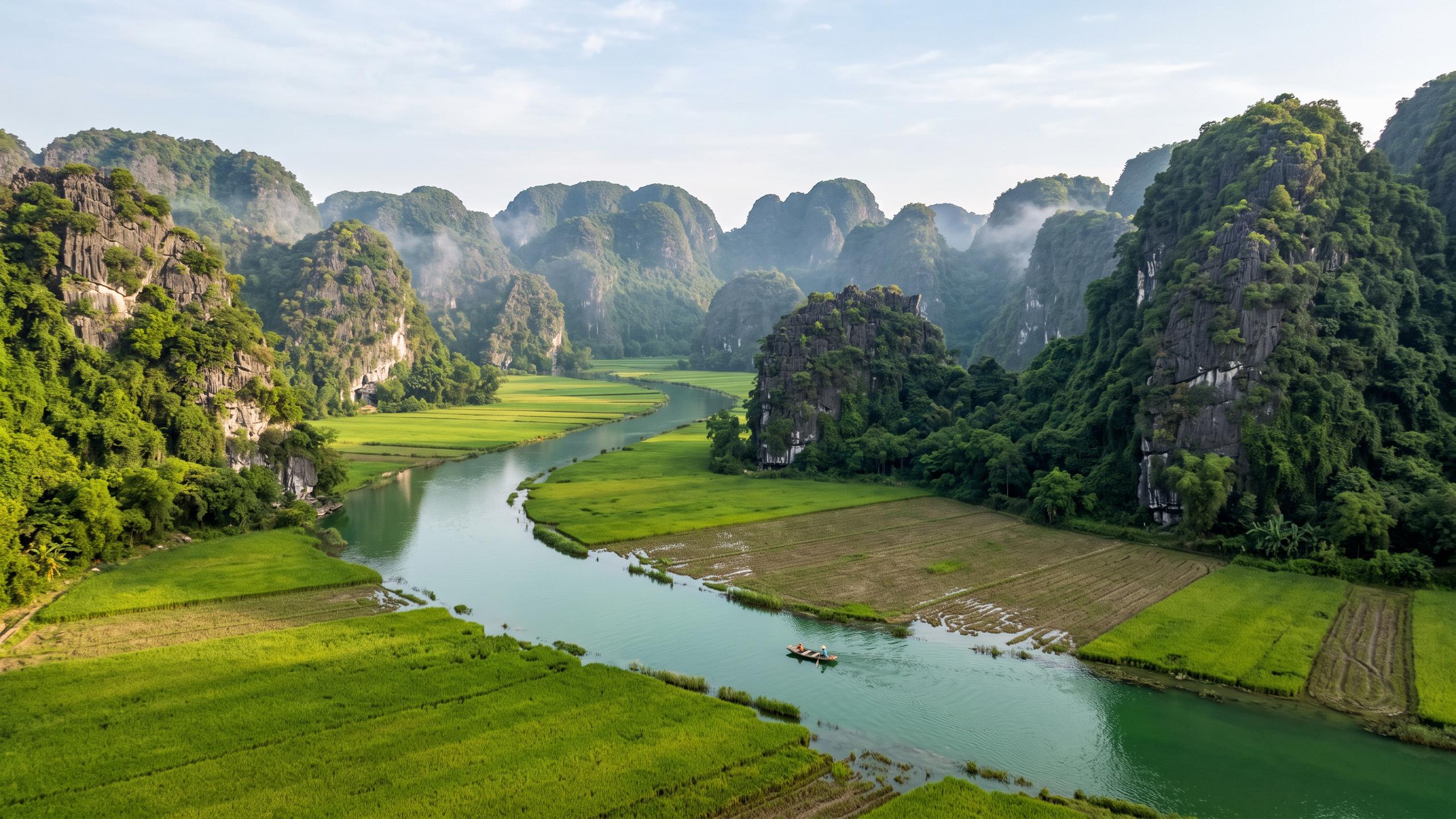
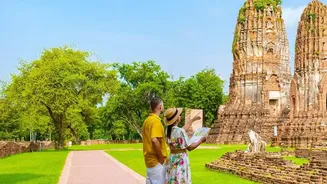
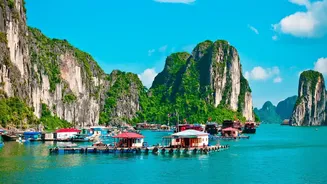
A combined trip works best by travelling in one direction to avoid backtracking. A popular route is to start in Northern Vietnam (Hanoi), travel south through the country, and then cross into Cambodia. A two-week trip could look something like this: Begin in Hanoi, exploring the Old Quarter and taking an overnight cruise in the stunning Lan Ha Bay (a quieter alternative to Halong Bay). Fly from Hanoi to Central Vietnam to see the charming ancient town of Hoi An. Then fly down to Ho Chi Minh City to experience its bustling energy and learn about its history before making the overland journey to Phnom Penh. In Cambodia, spend a couple of days exploring the capital's history before heading to Siem Reap, the gateway to the magnificent temples of Angkor Wat, the highlight for many visitors. From Siem Reap, you can fly home directly.
Cultural Etiquette and Local Tips
While both nations are welcoming to tourists, observing local customs shows respect. In both Vietnam and Cambodia, it is important to dress modestly when visiting temples and pagodas. This means covering your shoulders and knees. It's also customary to remove your shoes before entering someone's home or certain religious buildings. Respect for elders is a cornerstone of both cultures; always be polite and deferential to older individuals. A simple smile and a friendly greeting—'Xin chào' in Vietnamese—goes a long way. When taking photos of people, it's always polite to ask for permission first. The best time to visit both countries for pleasant weather is during the dry season, which generally runs from November to April.