



What is an Ancient Light?
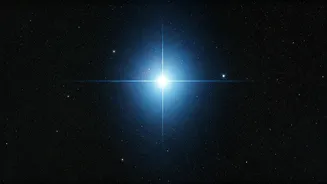
Every star you see is a time capsule. Light, though the fastest thing in the universe, still takes time to travel. The distance it covers in one year is called a light-year—a staggering 9.5 trillion kilometres. This means when you look at a star that
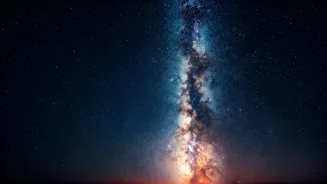
is 100 light-years away, you are seeing light that left that star 100 years ago. The star could be different now, or may not even exist, but its ancient light is only just arriving. Your simple act of looking up is a connection to the past. The photons hitting your retina started their journey when your grandparents, or even their great-great-grandparents, were young. Some stars are so far away that their light began travelling towards Earth when mammoths still roamed. It’s the universe’s own history book, written in light, and all you need to do is open your eyes to read it.
Your Stargazing Starter Kit
The best part about this cosmic time travel is that it’s free and requires almost no equipment. Here’s how to get started. First, escape the city glow. Light pollution from our towns and cities washes out the fainter stars. Find the darkest spot you can—a park, a terrace in a quieter neighbourhood, or a short drive out of town. Second, give your eyes time to adjust. It takes about 20-30 minutes for your pupils to fully dilate and become sensitive to low light. Put your phone away (its bright screen will ruin your night vision) and just sit in the darkness. Third, use a guide. While you don’t need a telescope, a smartphone app can be your best friend. Apps like Stellarium, Star Walk 2, or SkyView use your phone’s GPS and compass to create a map of the sky. Just point your phone at a star, and the app will tell you its name, its constellation, and often, how far away it is.
Meet Your Ancient Neighbours
So, what should you look for? Start with the brightest and most famous. Find the Saptarishi (the Big Dipper), a familiar pattern in the northern sky. It’s part of a larger constellation, Ursa Major. The light from these stars ranges from 60 to 125 years old. It’s like seeing a photograph of them from the early 20th century. Look for Orion, the Hunter, one of the most recognisable constellations, with its famous three-star belt. The light from Alnilam, the middle star in the belt, is about 2,000 years old. It left the star around the time the Roman Empire was at its peak. Look for Sirius, the brightest star in our night sky, also known as Mrigashirsha. It’s relatively close, only about 8.6 light-years away. Its light is younger than a decade, making it a contemporary cosmic neighbour.
Beyond the Stars
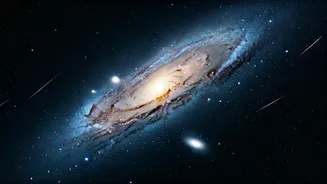
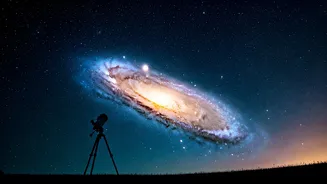
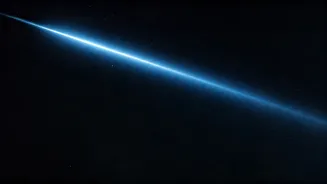
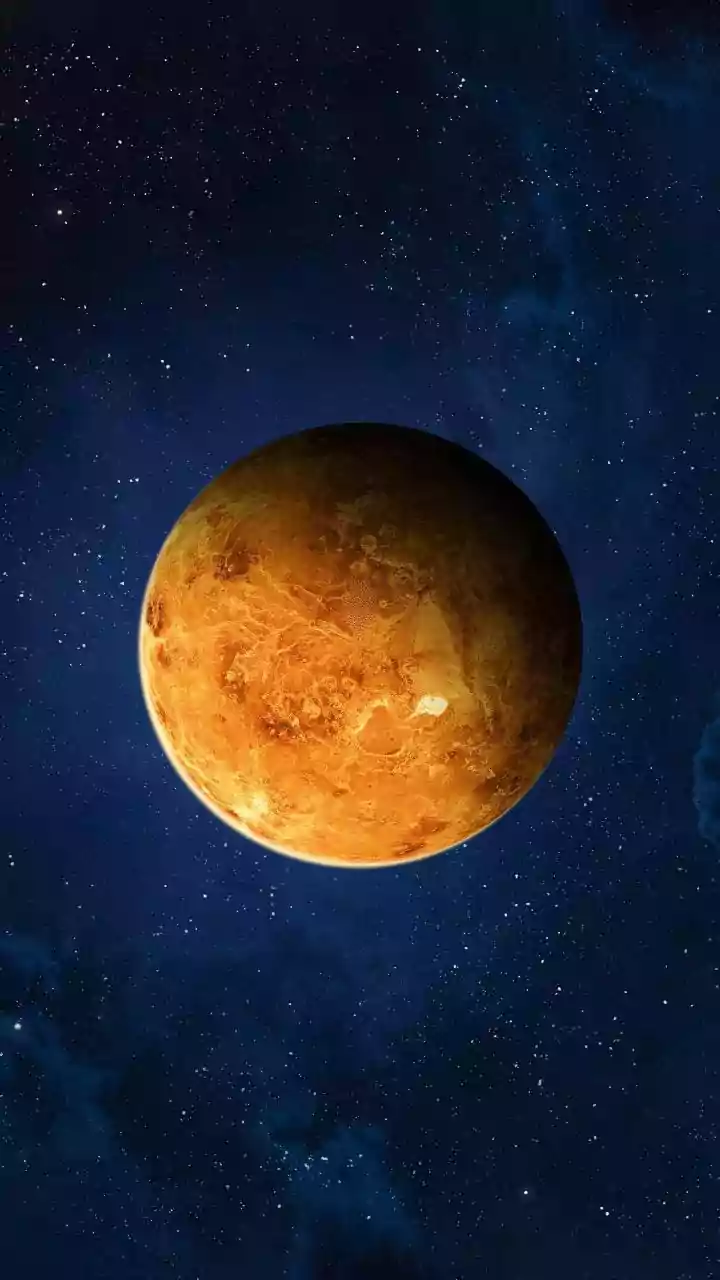
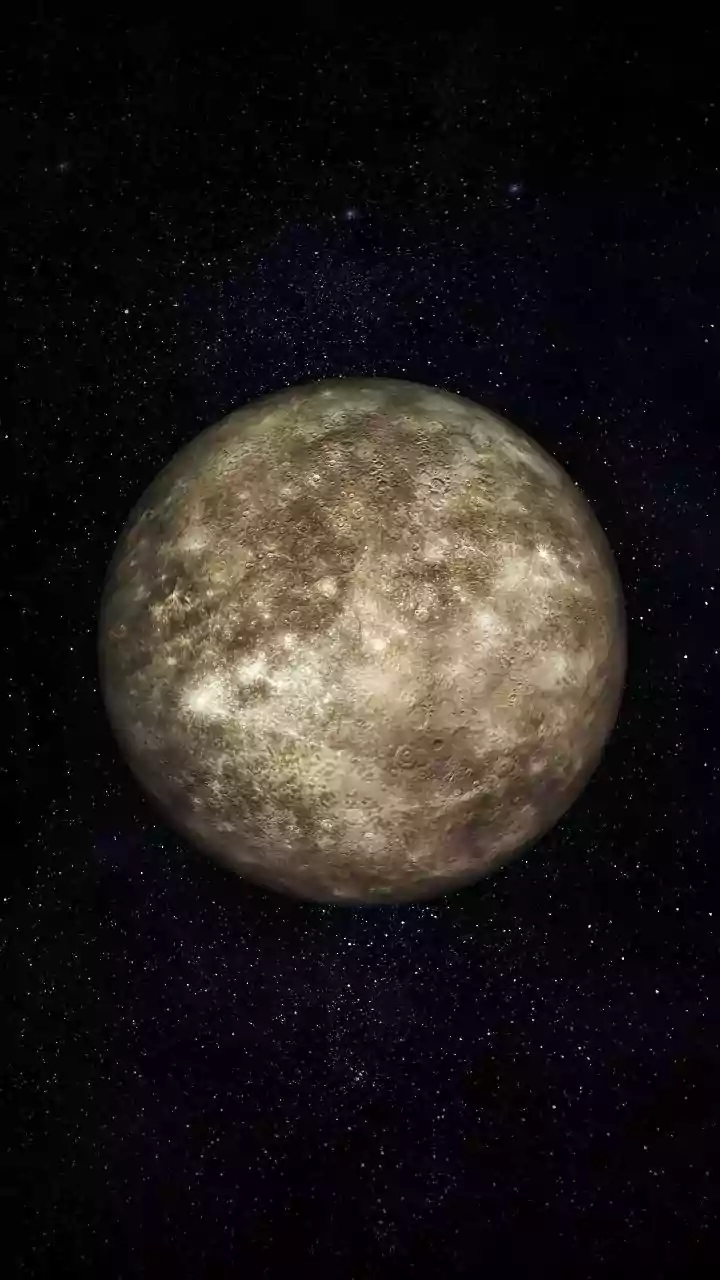
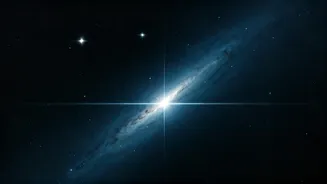
Your journey doesn’t have to end with stars. On a very dark, clear night, you might be able to spot a faint, fuzzy patch in the sky. This could be the Andromeda Galaxy, our closest major galactic neighbour. That faint smudge is the collected light of a trillion stars. And that light is 2.5 million years old. When it began its journey to your eyes, our earliest human ancestors were just beginning to walk the Earth. The planets you see—bright, steady lights that don’t twinkle like stars—are reflecting sunlight. That light travelled from the Sun, hit the planet, and then reflected to your eye, a journey of minutes or hours. Even the fleeting streak of a meteor, or a ‘shooting star,’ is a piece of ancient dust from a comet, burning up in our atmosphere for a spectacular, final farewell. Each object tells a different story, on a different timescale.