



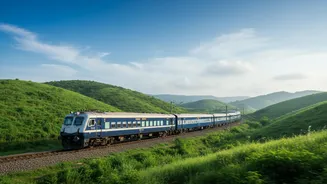

A Welcome Change for Passengers
Indian Railways has been testing and implementing plans to prepare the first reservation chart well before the traditional four-hour window prior to departure. Various reports and pilot projects have explored preparing charts 8, 10, or even 24 hours in advance.
The goal is to give passengers holding unconfirmed, waitlisted tickets a definitive answer—yes or no—much sooner. This single change is a significant shift, transforming last-minute panic into a manageable decision-making period. Instead of having only a few hours to react, travellers will now have a more substantial timeframe to either celebrate a confirmed seat or pivot to a backup plan without the frenzy.
The New Decision-Making Window
This earlier notification is more than just a courtesy; it's a strategic advantage for the prepared traveller. Knowing your ticket's status 10 or more hours ahead of time means you can assess other travel options while they are still reasonably available and priced. The mad scramble for last-minute alternatives often leads to inflated prices and limited choices. With this extended window, you can calmly evaluate whether to try for another train, book a bus, or even consider a flight. It fundamentally changes the game for anyone who has ever been stranded on a waitlist, empowering them with time and information.
Plan B Within Railways: Tatkal and Current Bookings
If your initial ticket doesn't get confirmed, your first port of call can be within the railway system itself. Once the first chart is prepared, any remaining vacant seats are opened for current booking. You can try booking these seats online or at a counter. Additionally, the Tatkal and Premium Tatkal schemes remain viable, albeit more expensive, options for securing a last-minute berth. While Tatkal tickets are sold at a fixed premium, Premium Tatkal fares are dynamic and increase with demand. These options are best for those who absolutely must travel by train and are willing to pay extra for a confirmed seat.
Hitting the Road: The Rise of Bus Travel
Inter-city bus services have become a formidable alternative to trains. With a vast network of both government-run and private operators, finding a bus is often easier than ever. Online travel portals have revolutionized bus booking, allowing you to compare prices, check amenities like AC and sleeper berths, and book your seat in minutes. The earlier notification from the railways gives you enough time to find a reputable bus service that fits your budget and schedule, turning a potential travel disaster into a comfortable road journey.
Taking to the Skies: When Time Is of the Essence
For longer distances or urgent travel, a flight might be the most practical alternative. While last-minute flights can be expensive, the expanded decision window provided by the new railway plan can make a difference. Knowing your train ticket is not confirmed 10-24 hours in advance allows you to catch flight deals before the absolute last-minute price surge kicks in. Several budget airlines operate on major domestic routes, and booking even a few additional hours ahead can lead to significant savings compared to booking on the day of travel.
Modern Mobility: Cabs and Carpooling
The gig economy has introduced flexible and convenient travel options. Inter-city cab services allow you to book a private car for your journey, offering door-to-door convenience that is unmatched. While this is a pricier option, it can be cost-effective if you are travelling in a group and can split the fare. Similarly, app-based carpooling services connect you with other individuals travelling along the same route. It’s an economical and often social way to travel, though it requires a degree of flexibility with timings and co-passengers.