



The Pressure to Perform Your Travels
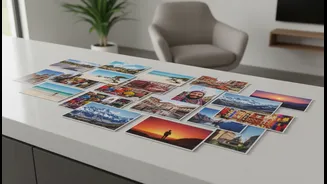
Walk into many modern homes, and you’ll likely see evidence of a well-traveled life. There might be a gallery wall of framed photos from Paris, a shelf of assorted mugs from different cities, or a collection of sand from exotic beaches neatly bottled
and labeled. This trend, fuelled by social media, has turned our personal histories into public-facing decor. The impulse is understandable; we want to hold onto the magic of a journey and surround ourselves with reminders of happy times. However, this has created an unspoken pressure to turn every experience into a display piece. The focus shifts from living the moment to capturing it for a future audience, whether that’s online followers or guests in our home. This act of constantly documenting and curating can subtly change our relationship with the experience itself.
When Capturing a Memory Weakens It
It feels counterintuitive, but the very act of trying to perfectly preserve a moment can sometimes diminish our memory of it. Psychologists refer to this as the “photo-taking impairment effect.” Studies have shown that when we take a photo of something, we are less likely to remember it clearly later. It’s a phenomenon known as “cognitive offloading”; our brain essentially outsources the job of remembering to our device. By focusing on getting the right angle or the perfect shot, we disengage from the experience itself. We see the sunset through a screen instead of simply watching it. Research has found that people who document and share experiences often perform worse on memory tests about those events afterward. The act of externalizing the moment, whether through a photo or a social media post, can mean we lose a piece of the original experience.
The Quiet Joy of a Private Memento
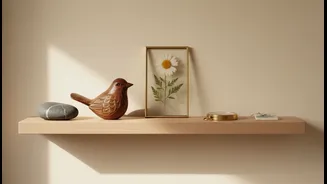
There is a unique power in memories that are just for you. A private memory isn't performed or validated by others; its value is entirely personal. It could be a smooth stone you picked up on a deserted beach, a ticket stub from a train ride where you had a life-changing conversation, or simply the vivid mental image of a shared laugh that you never photographed. These untranslated moments belong wholly to us. By not sharing them, we protect them from outside interpretation or the subtle pressure for them to be “good enough.” Choosing privacy is an intentional act. It creates a safe, intimate space for your experiences, allowing them to remain authentic and potent. A private memory doesn't need to be aesthetically pleasing or fit a certain narrative; it simply needs to be yours.
New Rituals for Remembering
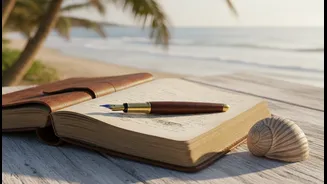
Embracing private memories doesn’t mean you can’t have keepsakes. It’s about shifting the intention from display to personal reflection. Instead of creating a public gallery, consider a more private approach. You could keep a travel journal, writing down not just what you did, but how you felt. Or create a “memory box” for each trip, a beautiful container where you can store flat items like maps, postcards, and tickets. This box isn’t for display on the coffee table; it’s for you to open and reconnect with your journey whenever you wish. Another minimalist approach is to collect one type of small, practical item, like a Christmas ornament from a special trip each year, turning a holiday tradition into a walk down memory lane. You could also focus on consumable souvenirs like local coffee, tea, or spices that transport you back through taste and smell. These rituals allow the memory to live on without becoming clutter.