








The Double-Edged Sword of Monsoon
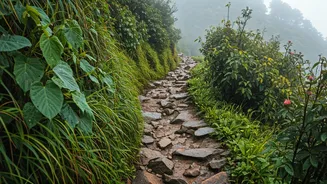
Monsoon transforms Uttarakhand's trails into a vibrant paradise, washing away the dust and breathing life into the landscape. Wildflowers bloom, creating scenes straight out of a storybook, and the cooler temperatures offer a respite from the summer heat.
However, this magical transformation brings significant risks. Heavy rainfall saturates the soil, leading to a high risk of landslides and flash floods, especially in regions like the Parvati and Beas valleys. Trails become muddy and treacherous, increasing the chances of slips and injuries. Rivers and streams that are gentle crossings in other seasons can become dangerously swollen and fast-flowing. Furthermore, poor visibility due to dense fog and clouds can easily disorient even experienced trekkers.
Preparation is Your First Line of Defence
Before you even think of lacing up your boots, rigorous planning is essential. The Uttarakhand Tourism department regularly issues advisories for tourists during the monsoon. Always check the latest weather forecasts from reliable sources like the India Meteorological Department (IMD) and confirm road conditions, as routes can close with little warning. Register your trek with the local authorities where required; new regulations are being implemented to enhance safety, making registration and guide qualifications stricter. It's also wise to choose your trail carefully. While high-altitude treks like Har Ki Dun are often not recommended, lower-altitude options like Nag Tibba or Valley of Flowers (which is in peak bloom) can be safer choices. Always travel with an experienced local guide who understands the terrain and its monsoon behaviour.
Essential Gear for a Rainy Trek
Your gear can make the difference between a memorable adventure and a miserable ordeal. Do not compromise on footwear; a pair of waterproof trekking shoes with excellent grip is non-negotiable to handle slippery paths. Pack quick-drying clothes made of synthetic materials and avoid cotton, which stays wet and cold. A high-quality poncho or a waterproof jacket and pants are crucial. Protect your belongings with a waterproof backpack cover and use dry sacks or extra plastic bags inside for electronics and spare clothes. Trekking poles are highly recommended to maintain balance on uneven, wet ground. Finally, a comprehensive first-aid kit, insect repellent for leeches, and a reliable power bank are must-haves.
Navigating Risks on the Trail
Once you are on the trail, vigilance is key. Be constantly aware of your surroundings. Watch for signs of unstable ground, such as falling rocks or fresh soil slips. Never camp near a river or stream, as flash floods can occur with little to no warning; always choose higher ground. If you must cross a stream, assess the water's depth and current carefully and use a rope if necessary. Many treks that are popular in other seasons become inaccessible or dangerous during the monsoon due to these water crossings. Pay attention to your health, especially for signs of altitude sickness, which can be complicated by the damp and cold conditions. Inform someone about your exact itinerary and expected return time, and have a plan for emergencies, as mobile networks can be unreliable in remote areas.