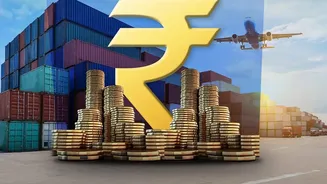


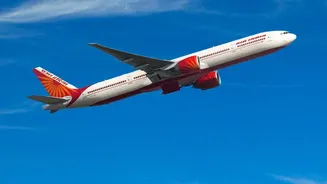


Planning a trip for the Christmas and New Year holidays? Brace for a bumpier ride. This year, Indian travellers are likely to encounter steeper airfares and fewer flight options, making that year-end getaway a bit more challenging to arrange.
Why Your Holiday Flight Is More Expensive
A combination
of factors is creating the perfect storm for higher ticket prices this holiday season. Firstly, demand is surging. Flight searches for December travel have seen a massive spike as more Indians plan year-end vacations. However, this surge in demand is meeting a tighter supply. Airlines have scheduled thousands fewer domestic flights for November and December compared to last year, which translates to about 117 fewer flights daily. While some carriers are using larger aircraft, the overall reduction in flight frequencies means fewer departure choices. This scarcity gives airlines more pricing power. Add to this the rising operational costs for airlines, including high aviation fuel prices and a weakening rupee, and the result is that the increased costs are being passed on to passengers.
The Routes Feeling the Squeeze
Unsurprisingly, the country's busiest air corridors are where the price hikes will be most acutely felt. The Delhi-Mumbai route remains the most heavily trafficked in India, followed closely by routes connecting Delhi and Mumbai to Bengaluru. Other high-demand routes include Delhi to Kolkata, Hyderabad, Pune, and Chennai. Fares on some of these key routes have already seen significant year-on-year increases in the lead-up to the festive season. With fewer scheduled flights on many of these trunk routes, the competition for available seats during the peak holiday travel window—generally from mid-December to early January—is intense. This means that last-minute bookings on these popular city pairs are likely to be extremely expensive.
Your Guide to Finding Better Fares
Despite the challenging market, finding a reasonable deal isn't impossible. The key is flexibility. If your travel dates aren't set in stone, you can unlock significant savings. Flying on Tuesdays and Wednesdays is consistently cheaper than travelling on weekends. Similarly, consider flying on the main holiday itself—an early morning flight on Christmas Day (December 25) or a late-night flight on New Year's Eve (December 31) can be substantially cheaper than travelling on the days immediately surrounding them. If you haven't booked yet, doing so immediately is advised, as fares for December travel typically only rise as the departure date nears. Using fare comparison websites and setting up price alerts for your desired route can also help you grab a deal the moment it appears.
Think Outside the Main Airport
Another powerful strategy is to be flexible with your airports. Many travellers default to the primary airport in a major city, but considering alternatives can yield big savings. For example, when flying to the Delhi region, compare fares into Hindon (Ghaziabad) as well as Delhi's main IGI airport. For leisure destinations like Goa, check prices for both Mopa (GOX) and Dabolim (GOI) airports. Travellers are also increasingly exploring less conventional destinations to find better value. Instead of popular hotspots, searches are rising for quieter places like Malvan in Maharashtra, Agatti in Lakshadweep, and Aizawl in Mizoram, which may offer more affordable travel options during the peak season.
When Flying Isn't the Best Option
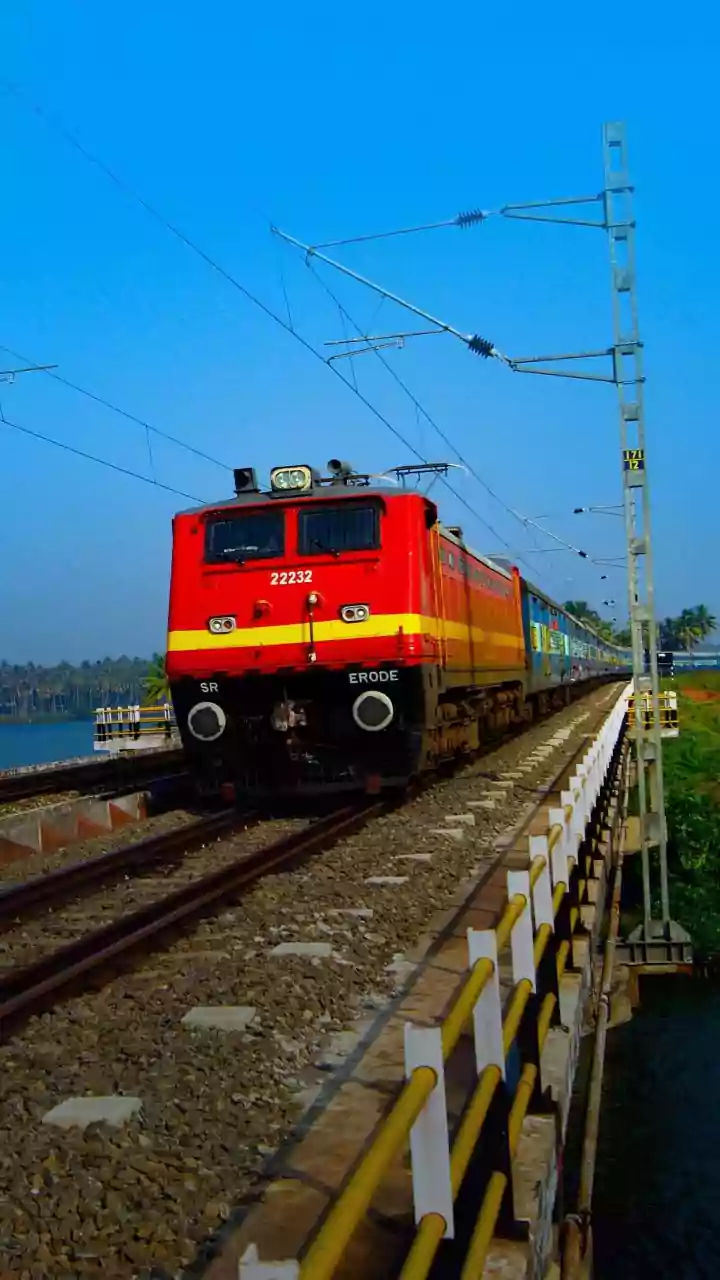
If flight prices on your desired route are simply too high, it might be worth considering alternative modes of transport, especially for shorter distances. India's extensive railway network offers a viable and often more scenic alternative for many city pairs. For routes under 500-700 kilometres, an overnight train journey can save you both money and the hassle of airport queues. Intercity buses have also become a more comfortable and reliable option, with many operators offering premium services on popular routes. During the recent Diwali season, for instance, many travellers opted for overnight buses on routes connecting metro cities to Tier-2 and Tier-3 towns, highlighting a growing preference for road travel when airfares are prohibitive.