



The Science of the Zap
To understand the problem, it helps to know how a microwave works. It doesn't heat food from the outside-in like a traditional oven. Instead, it uses electromagnetic waves to make the water molecules within the food vibrate rapidly. This vibration creates
friction, which produces heat and cooks the food. It’s a brilliant method for speed, but it has limitations. These waves only penetrate food to a depth of about one to one-and-a-half inches. In thicker or denser foods, the centre doesn't get heated directly by the microwaves; it relies on the heat conducting inward from the outer cooked layers.
The Danger of Cold Spots
This process often results in uneven heating, creating “cold spots” where the temperature isn't high enough to be safe. While some parts of your meal may be steaming hot, these undercooked pockets can be a breeding ground for harmful bacteria like Salmonella, Lister, and E. coli, which can survive if not heated to a sufficient temperature. According to safety guidelines, leftovers should reach an internal temperature of at least 74°C (165°F) to ensure harmful bacteria are destroyed. Cold spots mean parts of your food may never reach this critical safety threshold, increasing the risk of foodborne illness.
Arrange Food for Success
How you place your food on the plate makes a significant difference. Avoid piling food in the centre. Instead, arrange items in a single layer, spread out in a ring shape with the centre of the plate left emptier. This is because microwaves tend to heat the outer edges more effectively. For foods of varying sizes or thicknesses, place the thicker, denser portions towards the outside edge of the dish and the smaller, thinner parts towards the middle. This simple trick helps the food cook more uniformly from the outside in.
Cover, Stir, and Rotate
One of the most effective strategies for even cooking is to cover your food. Use a microwave-safe lid or wrap, but be sure to leave a small gap for steam to escape. This trapped steam creates a moist heat environment that helps cook the food evenly and destroys bacteria. Equally important is to pause the microwave midway through the cooking time to stir the food or rotate the dish. Even if your microwave has a turntable, manually stirring or turning the food ensures heat is redistributed and eliminates persistent cold spots.
Respect the Standing Time
One of the most overlooked instructions on microwaveable meals is “let stand for 1-2 minutes.” This isn't just a suggestion; it's a crucial part of the cooking process. During this standing time, the molecules that were excited by the microwaves continue to generate and distribute heat. This allows the temperature to equalise throughout the food, with heat moving from hotter areas into cooler ones, effectively eliminating residual cold spots and completing the cooking. Skipping this step can mean the difference between a safe meal and a risky one.
Choose Your Containers Wisely
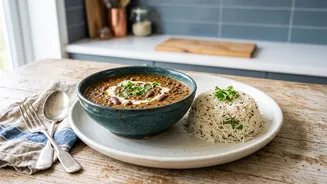
Not all containers are created equal. Only use dishes and wraps that are explicitly labelled as "microwave-safe". Glass and ceramic cookware are generally safe choices. Avoid using single-use plastic containers like margarine tubs or yogurt cups, as they can warp or melt, potentially leaching harmful chemicals into your food. You should also never use metal pans or aluminum foil, as they reflect microwaves, causing uneven cooking and potentially damaging your appliance.