







An Invisible Neurological Threat
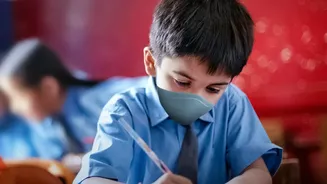
The conversation around Delhi's air pollution has long been dominated by its devastating impact on physical health. Yet, a growing body of research confirms what many parents now fear: the toxic air is also a neurological threat. Studies have increasingly
shown that long-term exposure to fine particulate matter, especially PM2.5, is linked with changes in brain structure, accelerated brain ageing, and cognitive decline. These microscopic pollutants are small enough to enter the bloodstream from the lungs, triggering systemic inflammation that can affect the brain. For children, whose brains are in a critical period of development, the consequences can be particularly severe and long-lasting, potentially affecting memory, attention, learning, and emotional development.
The Confinement Compound Effect
When hazardous air quality forces authorities to advise residents to stay home, a second layer of stress is added for children. The very measure meant to protect their physical health—staying indoors—can inadvertently harm their mental well-being. This confinement disrupts essential routines, drastically reduces physical activity, and cuts off vital social interaction with peers. Experts note that a lack of outdoor play is a significant source of distress for children, who report feeling separated from nature and constrained by restrictions. This enforced isolation can lead to feelings of loneliness, frustration, and boredom, which often manifest as irritability, tantrums, and withdrawal.
Online Classes and Screen Dependency
The shift to online classes during severe pollution episodes presents a difficult trade-off. While it ensures educational continuity, it tethers children to screens for hours on end, replacing the dynamic, social environment of a physical classroom. This modality of learning can be challenging for young children, who may struggle to engage with a screen for long periods, leading to frustration and behavioural changes. Health specialists warn that this increased screen exposure is not benign. When outdoor play is not an option, children often turn to digital devices for entertainment, creating a cycle of screen dependence that can be difficult to break.
Recognising the Signs of Anxiety
The cumulative effect of environmental stress, indoor confinement, and digital overload is a notable increase in anxiety among children. A survey conducted in Delhi-NCR found that nearly 77% of children reported feeling anxious, irritated, or distressed due to poor air quality. For parents, it's crucial to recognise the signs, which may not always be straightforward. Experts suggest looking for changes in behaviour, such as increased restlessness, difficulty concentrating, emotional outbursts or tantrums, and changes in sleep patterns. Other signs can include a child being more withdrawn, fearful of being alone, or expressing feelings of sadness and worry about the situation.
Building Resilience Amidst the Haze
While the larger environmental problem requires systemic solutions, parents and caregivers can take steps to mitigate the mental health impact on children. Establishing a predictable daily routine, even when at home, provides a sense of security. Experts recommend scheduling time not just for schoolwork but also for indoor physical activity, such as yoga or dance parties, to help manage stress. Openly talking about feelings and validating a child's worries are also essential. While social interaction is limited, using technology creatively to connect with friends and family can help combat feelings of isolation. Finally, parents are advised to manage their own anxiety, as children often absorb the stress of the adults around them.