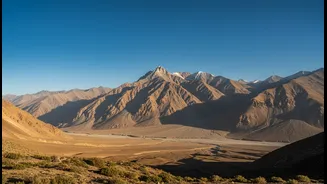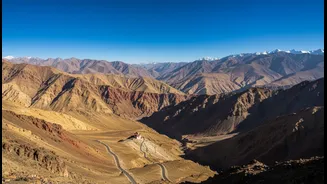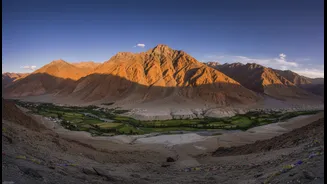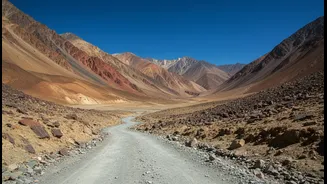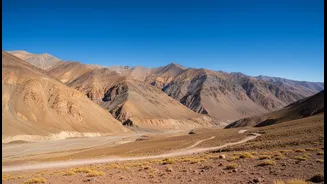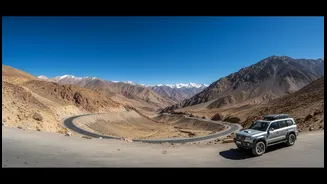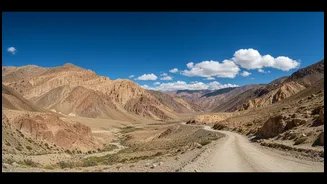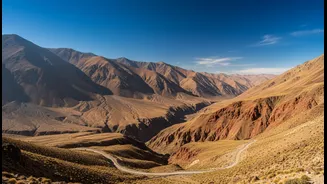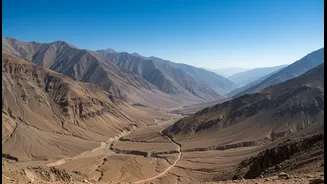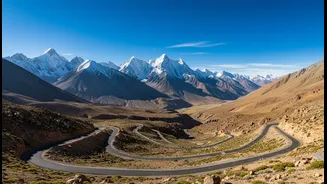




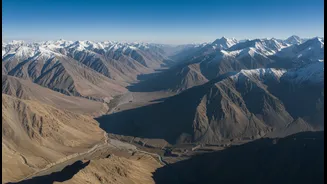
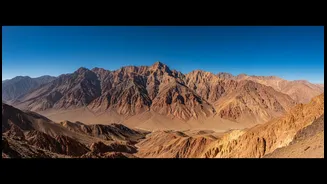



A Record-Breaking Season
The visitor numbers for 2026 confirm that this is no ordinary year. Official data from the Ladakh administration highlights a significant tourism boom. In the first six months of 2026, the region welcomed over 225,000 tourists. June alone saw more than
107,000 arrivals, a staggering 43% increase compared to June of last year. This includes a near-100% jump in foreign tourists, signalling renewed global confidence in Ladakh as a premier destination. While specific data for Spiti is harder to consolidate, reports from tour operators and social media feeds point to a similar trend, with a flood of vehicles and travellers making their way through the valley. This surge isn't just a random spike; it's the result of several converging factors that have made these remote landscapes more accessible and desirable than ever.
The Infrastructure Game-Changer
For decades, the journey to Spiti and Ladakh was as much a challenge as the destination itself. Today, that narrative is changing. Improved infrastructure is arguably the single biggest driver of the current surge. The Atal Tunnel, for instance, has revolutionized travel to the Lahaul-Spiti district, bypassing the treacherous Rohtang Pass and making the region accessible for more extended periods. Similarly, the administration in Ladakh has been credited with a massive infrastructure boost, improving road connectivity and overall accessibility. These smoother, faster, and more reliable roads mean that a trip that once required meticulous planning and a high tolerance for uncertainty is now a viable option for a broader range of travellers, including families and those on tighter schedules.
The Social Media Call of the Wild
You can't discuss modern travel without mentioning social media. Spiti and Ladakh have become darlings of platforms like Instagram, where stunning photos and reels of turquoise lakes, dramatic mountain passes, and ancient monasteries go viral. This digital exposure has demystified the region, transforming it from a hardcore adventurer's pilgrimage to a must-do road trip for young Indians. The #SpitiValley and #Ladakh hashtags are filled with images that inspire wanderlust, creating a powerful desire to experience these landscapes firsthand. The 'reel culture' has turned the challenging journey into a badge of honour, motivating a new generation of travellers to brave the high altitudes for the perfect shot and the ultimate adventure story.
A Shift in Travel Appetites
The global pause in travel a few years ago fundamentally shifted what people look for in a vacation. There's a growing hunger for authentic, experience-driven travel that connects with nature and culture. Ladakh and Spiti perfectly fit this demand. They offer a blend of adventure, spirituality, and raw natural beauty that feels a world away from city life. The Ladakh administration has actively worked to diversify its offerings beyond just sightseeing, promoting wellness, cultural, spiritual, and even astro-tourism. This broader appeal attracts visitors who are looking for more than just a holiday; they are seeking a transformative experience, and the Himalayan frontier promises just that.
The Challenge of Overtourism
This boom, however, comes with a significant challenge: overtourism. The fragile ecosystems of these high-altitude deserts are not equipped to handle an unchecked influx of vehicles and people. In Spiti, concerns are rising about vehicles damaging the delicate terrain around pristine sites like Chandratal lake. Similarly, the surge in Ladakh puts a strain on limited local resources like water and accommodation. The influx of tourists brings economic opportunities for locals, with homestays, cafes, and guide services flourishing. Yet, this rapid growth also risks eroding the very serenity and authenticity that draw people here in the first place. The key question for the future is how to manage this popularity sustainably.