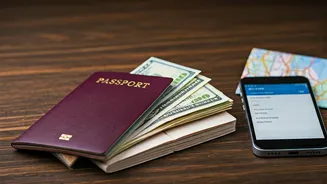









Master Your Flight Booking
Your flight is often the biggest single expense, so getting it right is crucial. Forget the myth about booking on a specific day of the week. Instead, focus on two key factors: flexibility and timing. If you can, travel during the “shoulder seasons”—the
months just before or after the peak summer rush (think May/June and September/October in Europe). Prices are lower, crowds are thinner, and the weather is often just as good. Use flight aggregators like Google Flights or Skyscanner to compare prices across multiple airlines, but always check the airline’s own site before booking, as they sometimes offer better deals. Setting up price alerts for your desired route can also save you hundreds when a fare drop occurs.
Rethink Your Accommodation
While a fancy hotel is nice, it’s also where your budget can quickly unravel. Consider alternatives that offer more value and a more local experience. Apartment rentals through sites like Vrbo can be cost-effective, especially for groups or families, as they come with kitchen facilities that let you save money on meals. Don’t dismiss hostels, either. Many now offer clean, stylish private rooms with ensuite bathrooms that rival budget hotels on price but offer better social spaces. Staying just outside the main tourist-packed city center can also yield significant savings; a 10-minute subway or bus ride can cut your nightly accommodation cost by 30% or more.
Win the Currency Exchange Game
Small fees and bad exchange rates can nibble away at your travel fund. First, get a credit card with no foreign transaction fees. These fees typically add a 3% surcharge to every purchase you make abroad, which adds up fast. Second, avoid exchanging money at airport kiosks; they offer some of the worst rates you’ll find anywhere. The best way to get local cash is to use your debit card at an ATM upon arrival. You'll get a much better exchange rate, even if your bank charges a small fee. Before you leave, check if your bank has a partnership with any international banks that would allow you to withdraw cash for free.
Eat and Drink Like a Local
Food is a huge part of the travel experience, but you don't need to spend a fortune to eat well. A good rule of thumb is to walk at least three blocks away from any major tourist attraction before picking a restaurant. You’ll escape the inflated prices and mediocre food of the tourist traps. Look for places busy with locals, not other travelers. Better yet, visit a local food market. It’s a fantastic cultural experience and the perfect place to assemble a delicious, inexpensive picnic to enjoy in a park. Finally, pack a reusable water bottle. In many countries, tap water is perfectly safe to drink, and you’ll save money while reducing plastic waste.
Pack Smart to Avoid Fees
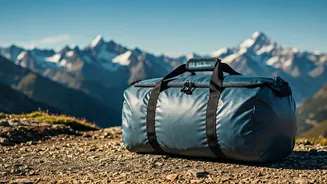
Airlines have turned baggage fees into a major revenue stream. Learning to pack in a carry-on is one of the most reliable money-saving skills a traveler can develop. It not only saves you checked bag fees (which can be $60+ round trip on international flights) but also saves you time at the airport and eliminates the risk of lost luggage. Make a detailed packing list and stick to it. Focus on versatile clothing items you can mix and match. Packing cubes can help you compress items and stay organized, making it easier to fit everything you need into a smaller bag. You’ll feel liberated walking right past the baggage carousel and out into your destination.