





A Taste of Tradition
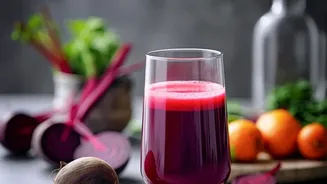
At its heart, Kanji is a simple, fermented beverage traditionally made in North Indian homes during the winter and spring months. The star ingredient is the 'kali gajar' or black carrot, which imparts a stunning, deep purple hue to the drink. These carrots
are cut into sticks and submerged in water with salt and coarsely ground mustard seeds (rai). The mixture is then left to ferment in the sun for several days in a glass or ceramic jar. The result is a beverage with a unique and complex flavour profile: tangy, sour, and with a distinct pungent kick from the mustard. For many, it's an acquired taste, but one that speaks of seasonal rhythms and culinary heritage.
India’s Original Probiotic Drink
Long before kombucha became a global phenomenon, drinks like Kanji were the subcontinent's original source of probiotics. The fermentation process is a form of lacto-fermentation, where naturally present bacteria, primarily from the Lactobacillus family, convert sugars from the carrots into lactic acid. This not only preserves the drink but also populates it with billions of beneficial live microbes. These probiotics are essential for maintaining a healthy gut microbiome, which is crucial for everything from digestion to immunity. Unlike processed supplements, Kanji offers these benefits in a whole-food form, making it a powerful, natural digestive aid.
The Modern Wellness Revival
So why is this age-old drink suddenly gaining traction among modern consumers? The answer lies at the intersection of several contemporary trends. There is a growing global interest in fermented foods for their health benefits, and a parallel movement within India to reconnect with and revive traditional, 'lost' recipes and ingredients. Consumers are increasingly seeking out clean, natural, and sustainable food options. Kanji fits this mould perfectly. It’s vegan, gluten-free, low in calories, and can be made at home with just a few simple ingredients. As a result, this humble homemade drink is now appearing on cafe menus and in the product catalogues of artisanal food brands, positioned as a heritage superfood.
More Than Just a Health Tonic
While its probiotic and digestive benefits are a major draw, to reduce Kanji to just a health tonic would be a disservice. Traditionally, it's an integral part of community and celebration, particularly during the festival of Holi. It serves as a refreshing appetizer, a palate cleanser, and a tangy counterpoint to rich foods. The black carrots used to make it are packed with anthocyanins, powerful antioxidants that give the vegetable its colour and are linked to numerous health benefits, including anti-inflammatory properties. The carrots themselves, pickled by the brine, become a delicious snack. This makes Kanji a holistic beverage that engages the senses while nourishing the body.