







The Missing Pillar of Urban Planning
For decades, urban planners in India have focused on the tangible challenges of a rapidly urbanising nation. The policy agenda has been dominated by the need to provide housing for millions and create mobility networks to connect a sprawling workforce
to jobs. These are, without question, vital. Yet, this focus has created a significant blind spot. The question of how city dwellers will feed themselves is often treated as a private matter, left to the invisible hand of the market. This is a mistake. Food access — the ability of all residents to obtain healthy, affordable, and culturally appropriate food — is not a secondary concern. It is a fundamental component of public health, economic stability, and social equity that deserves a formal place in city governance. While national programmes like the Public Distribution System (PDS) provide a crucial safety net, they are not designed to shape the day-to-day food environment of a city.
The Tangled Web of Food, Housing, and Transport
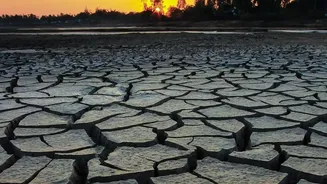
The reality for many urban residents is that food, housing, and mobility are deeply interconnected problems. A lack of affordable housing often pushes low-income families to the city's periphery, far from central markets and fresh food sources. Their ability to access nutritious food then becomes dependent on a transport system that may be expensive, time-consuming, or non-existent. This creates areas sometimes called 'food deserts', where residents are surrounded by options high in calories but low in nutrients, such as highly processed snacks. This is not just a Western phenomenon; studies show that even in Indian cities with bustling markets, low-income neighbourhoods often lack access to diverse and healthy food choices, contributing to a dual burden of undernutrition and rising obesity. When a family has to choose between paying rent and buying fresh vegetables, the city's policy has failed them on multiple fronts.
What an Integrated Food Policy Looks Like
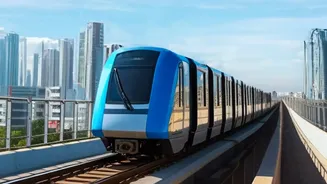
Elevating food access in city policy isn't an abstract idea; it involves concrete actions. It means using urban planning tools to create a healthier food environment. This could involve zoning regulations that protect space for local markets and incentivise the opening of grocery stores in underserved areas. It means supporting urban and peri-urban agriculture, which can shorten supply chains and provide fresh produce locally. Cities like Pune have already made policy changes to promote urban farming activities. It also means thinking about 'food corridors' when planning transport routes, ensuring that public transit directly connects residential areas to major food hubs. Support for street food vendors, who are central to how Indian cities eat, is also crucial. Initiatives like the PM SVANidhi scheme, which provides loans to vendors, are a step in the right direction, but they must be integrated with municipal efforts to provide clean water, sanitation, and waste management to make these informal food systems safer and more resilient.
Beyond Hunger: The Economic and Social Case
A robust urban food policy does more than just feed people. It builds a more resilient and equitable city. By supporting local food systems, cities can create jobs and keep capital circulating within the local economy. Prioritising access to nutritious food is a powerful public health intervention that can, over time, reduce the burden of diet-related diseases like diabetes and heart conditions. Furthermore, community gardens, farmers' markets, and well-regulated food streets can become vibrant public spaces that foster social connection and community identity. When supply chains are disrupted, whether by climate events or other crises, a city with a strong local food system is better prepared to weather the storm. Treating food as critical infrastructure is an investment in the city's long-term health, wealth, and resilience.