
The Two Types of Iron in Your Diet
To understand why this food pairing is so effective, it's important to know that dietary iron comes in two forms: heme and non-heme. Heme iron, found in animal products like meat, poultry, and fish, is easily absorbed by the body. On the other hand, non-heme iron, which
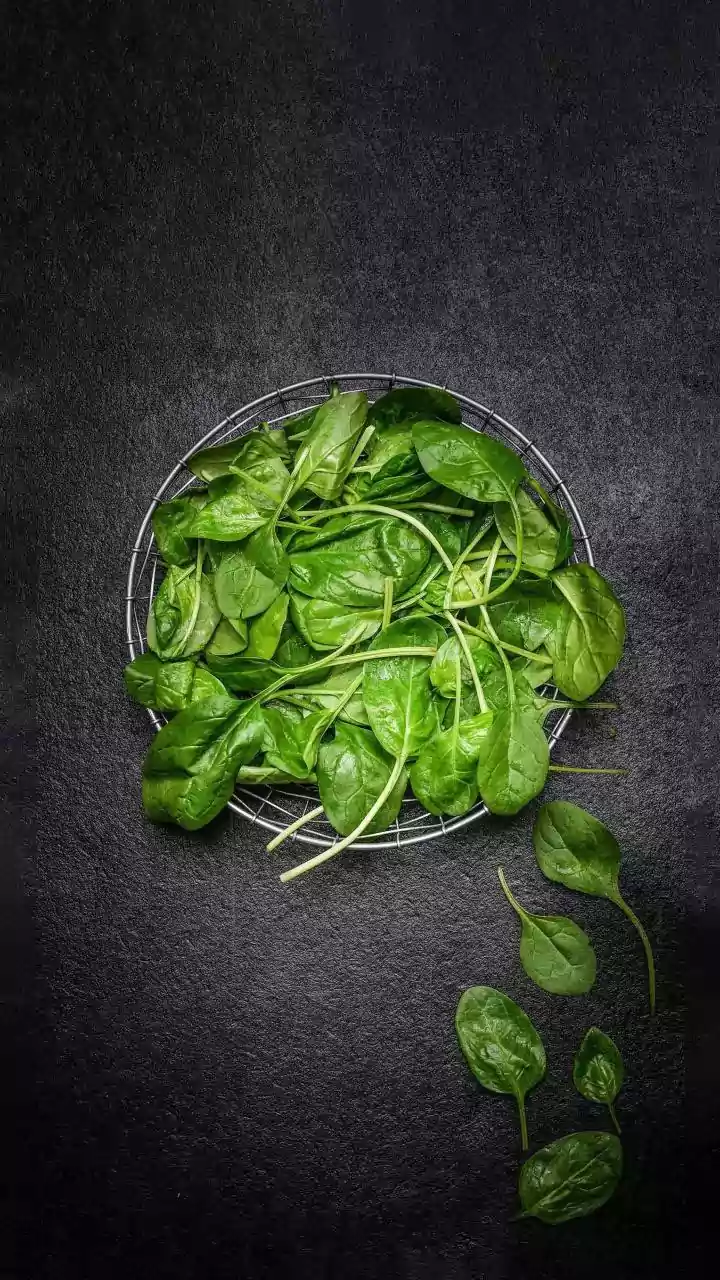
comes from plant sources like leafy greens, lentils (dal), beans (rajma, chana), and nuts, is much harder for our bodies to absorb. For a country like India, where a large portion of the population follows a vegetarian diet, most dietary iron is non-heme, making efficient absorption a critical health topic.
The Challenge With Plant-Based Iron
The main issue with non-heme iron is its chemical structure. In plant foods, iron exists in a form called ferric iron (Fe³⁺). Our intestines, however, are primarily equipped to absorb iron in a different form, known as ferrous iron (Fe²⁺). This mismatch means that when you eat a bowl of spinach or lentils, a significant portion of that valuable iron simply passes through your digestive system without being absorbed. This is a key reason why iron deficiency can be a concern even for those who eat plenty of iron-rich vegetarian foods.
Vitamin C: The Key to Unlocking Iron
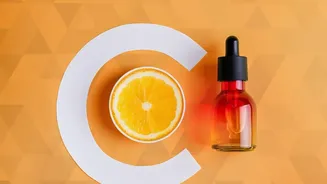
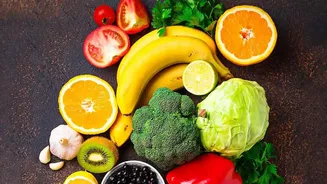
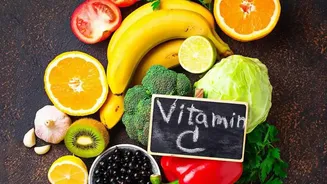
This is where Vitamin C, also known as ascorbic acid, works its magic. When consumed in the same meal, Vitamin C acts as a powerful enhancer for non-heme iron absorption in two crucial ways. First, it helps convert the hard-to-absorb ferric iron (Fe³⁺) into the more absorbable ferrous iron (Fe²⁺), essentially unlocking its potential. Second, Vitamin C binds to this iron to form a soluble complex. This is important because it protects the iron from forming insoluble compounds as it moves through your gut, keeping it available for your body to use. The effect is so significant that studies have shown it can increase iron absorption by two to three times, validating the headline's claim of making intake "twice as efficient."
Powerful Pairings for Your Plate
Making this science work for you is simple and delicious. The goal is to combine an iron-rich plant food with a Vitamin C-rich food in the same meal. For an Indian kitchen, the possibilities are endless:
Dal and Lemon: Squeeze a generous amount of lemon juice over your bowl of masoor, toor, or moong dal.
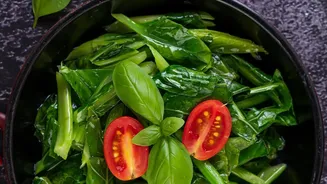
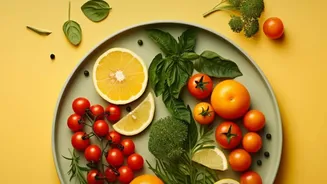
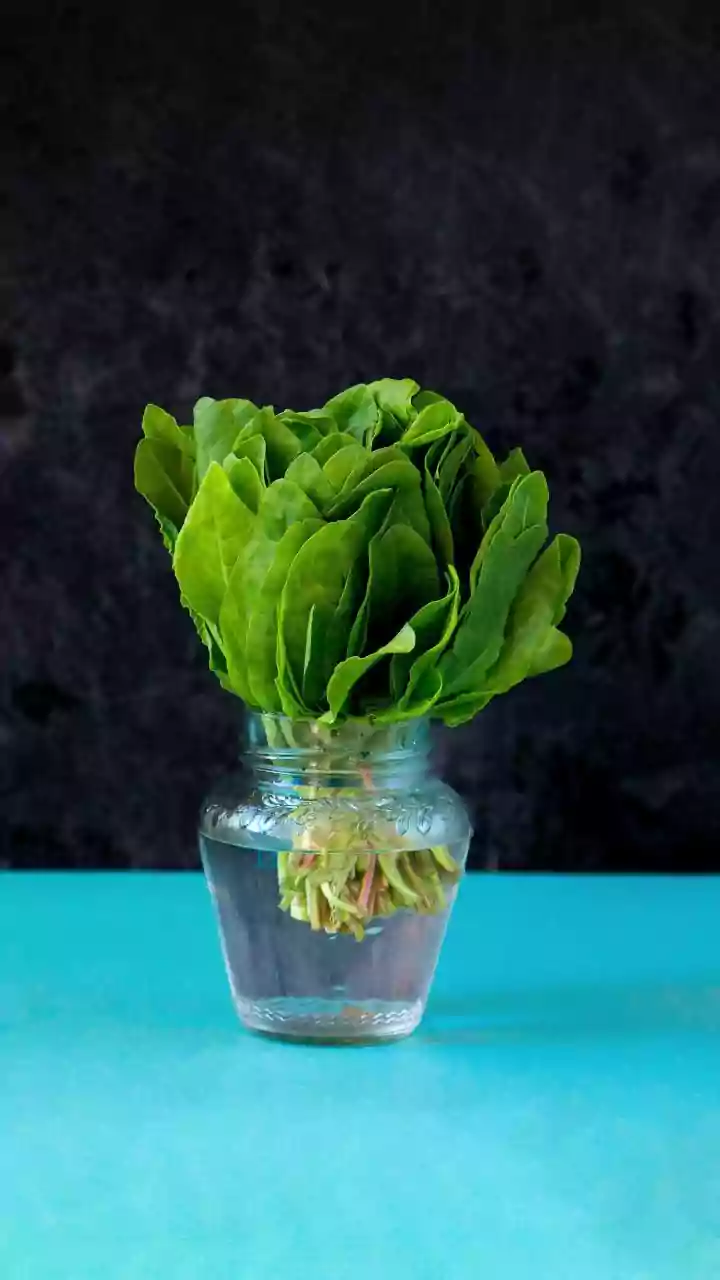
Palak Paneer with Tomato: The traditional use of tomatoes in the gravy for palak (spinach) dishes isn't just for flavour; the Vitamin C in the tomatoes boosts the iron from the spinach.
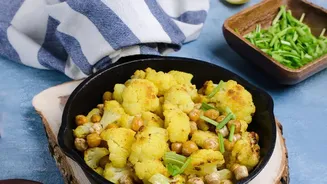
Chana Masala: Chickpeas are a good source of iron, and a classic chana masala is rich in tomatoes, onions, and often garnished with a squeeze of lime, all excellent sources of Vitamin C.
Roti with a Side Salad: Enjoy your whole wheat rotis, which contain iron, with a simple kachumber salad of tomatoes, cucumbers, and onions with a lemon dressing.
* Sprouts Chaat: A chaat made with sprouted lentils or beans, mixed with chopped tomatoes, onions, and a tangy lemon dressing, is a powerhouse of iron and Vitamin C.
Watch Out for Iron Blockers
Just as Vitamin C boosts iron absorption, other common compounds can block it. These are known as inhibitors. The most powerful inhibitors are tannins and polyphenols, found in tea and coffee. Having your morning cup of chai or coffee with an iron-rich breakfast can reduce iron absorption by over 60%. Similarly, calcium from dairy products like milk and yogurt can compete with iron for absorption. Phytates, present in whole grains and legumes, also inhibit iron uptake. To get the most from your meals, it's best to consume tea, coffee, and dairy supplements at least an hour or two before or after your main iron-rich meals.