






The EV Push and the Charging Puzzle
As fuel costs fluctuate, many delivery riders have shifted to electric vehicles (EVs) to protect their thin margins. [9] While this move is environmentally positive and encouraged by government schemes like FAME II, it has created a new set of problems.
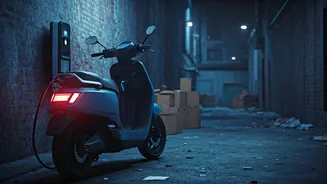
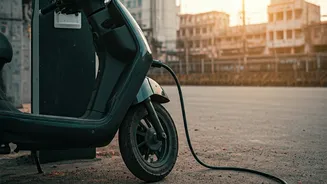
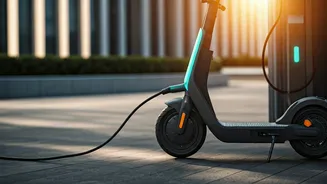
[16] The primary challenge is a stark lack of accessible and affordable charging infrastructure. [23] Riders often lose precious earning hours searching for a functional charging station or waiting in long queues. For a workforce paid per delivery, time is money, and hours spent charging are hours without income. While some companies are piloting battery-swapping hubs and dedicated charging points, these are far from widespread, leaving most riders to fend for themselves in a rapidly expanding but underdeveloped ecosystem. [22, 25]
On the Road: A Constant Battle for Safety
The pressure to deliver quickly, often within punishing 10-minute windows, turns India's already hazardous roads into a high-stakes workplace. [14, 17] Studies and reports highlight alarming statistics: a significant percentage of riders have experienced accidents on the job, and many engage in risky behaviours like speeding or ignoring traffic signals to meet targets. [18, 19] A study in Southern Chennai found that over 32% of food delivery workers had been in a road accident while working. [18] Despite this, comprehensive safety training and provision of quality safety gear by aggregator companies remain inconsistent. The algorithmic management systems used by platforms often penalise delays, creating a direct conflict between a rider's safety and their earnings. [19] This pressure is compounded by long working hours, with many riders working 12-hour days to earn a liveable income, increasing fatigue and the risk of accidents. [9]
A System Without a Safety Net
Classified as "partners" or "independent contractors," most delivery riders operate outside the bounds of traditional labour laws, leaving them without a crucial safety net. [24] This means no guaranteed minimum wage, paid leave, or retirement benefits. [14] While some platforms offer accident and health insurance, the processes for claiming these benefits can be complex and are not always clear to the workers. [24] A major accident can be financially catastrophic, wiping out savings and plunging families into debt. The average monthly earnings for a gig worker can be around ₹18,000, which is often less than that of a regularly employed urban male worker, and from this, they must cover their own vehicle maintenance and fuel or charging costs. [9, 20]
The Emerging Call for Support
In response to growing pressure, a framework for support is slowly beginning to take shape. The central government's Code on Social Security, 2020, was the first legal instrument to formally define "gig workers" and propose social security benefits like life insurance, disability cover, and pensions. [5, 15] However, its full implementation remains pending. [17] In the interim, some state governments have started to act. More recently, major companies like Zomato, Blinkit, and Amazon have launched initiatives to help their delivery partners access government welfare schemes, such as health and life insurance under Pradhan Mantri Jan Arogya Yojana. [2, 3, 4] For example, Zomato and Blinkit's initiative, launched in 2025, has already facilitated registrations for thousands of partners, unlocking significant government entitlements. [2, 8] Amazon's 'Sammaan' programme also includes measures for enhanced insurance, road safety support, and access to rest centres. [3, 12]