


What is a Moon Pairing?
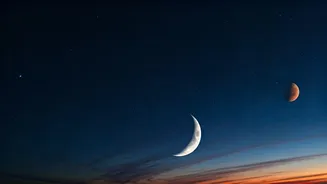
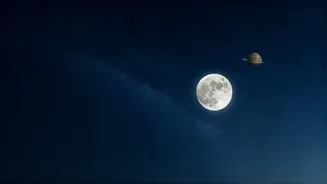
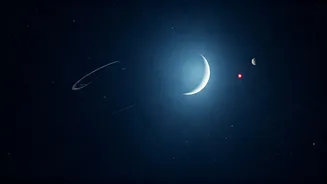
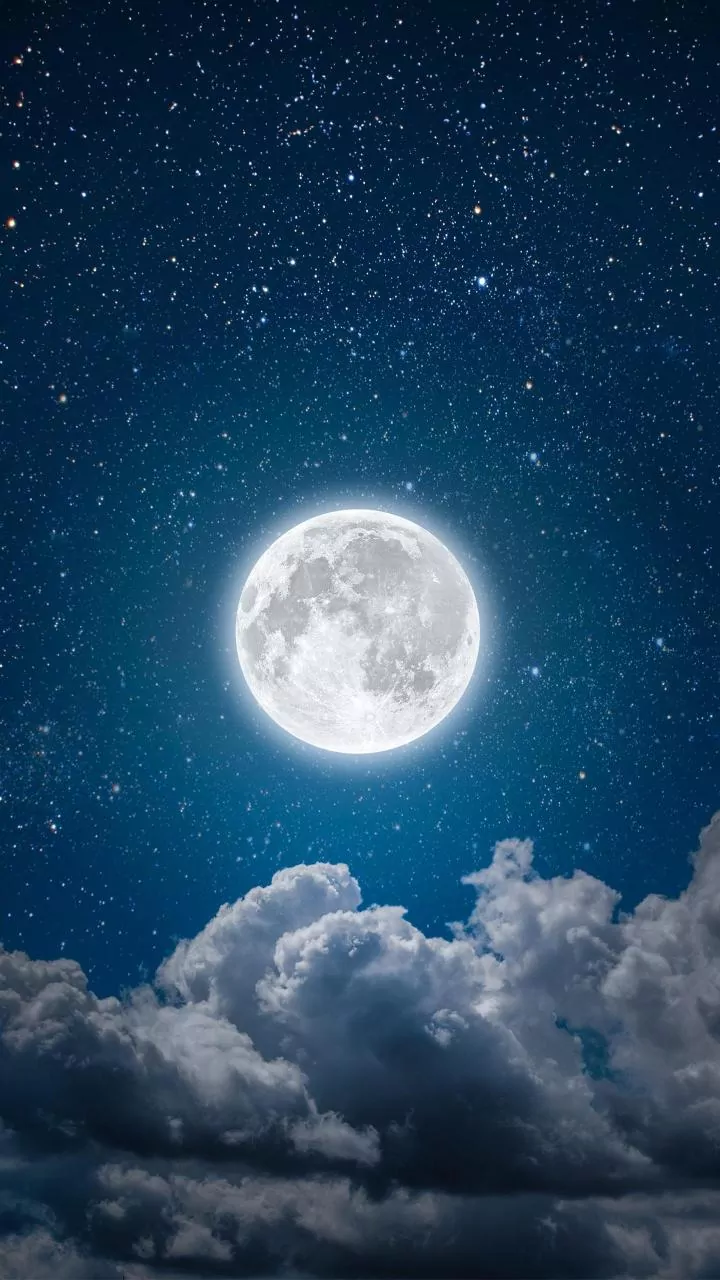
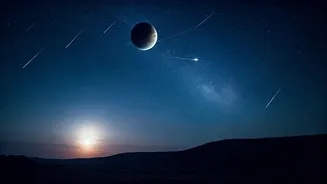
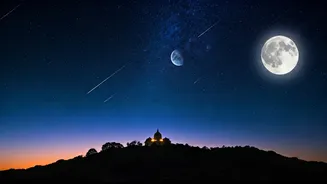
A 'moon pairing' is a casual term for what astronomers call a conjunction. It happens when the Moon and another bright object, usually a planet like Venus, Mars, Saturn, or Jupiter, appear very close together in our night sky. Of course, they aren't actually
close in space—the distances are still vast—but from our perspective on Earth, their paths seem to cross, creating a beautiful and eye-catching celestial duo. Because the Moon moves relatively quickly across the sky, these pairings are quite frequent, offering a new spectacle to look for every month.
The Perfect Starting Point for Beginners
One of the best things about observing moon pairings is the low barrier to entry. You don't need an expensive telescope or complicated star charts. Most of these events are bright enough to be seen with the naked eye, even from areas with some light pollution. This makes it an incredibly accessible way to dip your toes into astronomy. All you truly need is a clear night and an idea of where to look. These events offer instant gratification—a clear, visible phenomenon that connects you to the cosmos without a steep learning curve.
What to Look For in July 2026
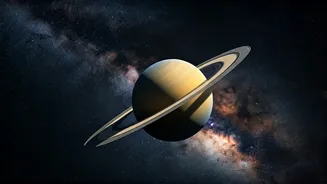
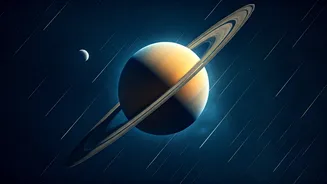
The sky is a dynamic place, with new alignments happening all the time. This July offers some fantastic opportunities. On the nights of July 7 and 8, look for the Moon to have a close encounter with Saturn. The pair will be visible after midnight in the eastern sky, with Saturn appearing as a steady, golden point of light. Then, on the evening of July 17, a slender crescent Moon will appear stunningly close to the brilliant planet Venus. Look for this luminous duo in the west just after sunset. These events provide a timely reason to get outside and start your stargazing journey.
Tips for the Best Viewing Experience
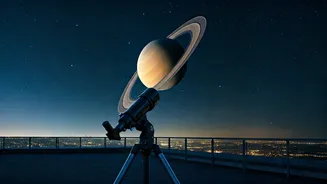
While you don't need special equipment, a few simple tips can enhance your experience. First, try to get away from the glare of city lights if you can. A darker sky always reveals more. Second, give your eyes time to adjust. It can take about 20-30 minutes for your eyes to become fully accustomed to the dark, revealing fainter stars. While not necessary, a simple pair of binoculars can bring the view into sharper focus, sometimes even revealing the larger moons of Jupiter or the shape of Saturn's rings on a good night. Finally, stargazing apps on your smartphone can be a great help, pointing you in the right direction and identifying the celestial bodies you're seeing.
More Than Just a Celestial Sight
Beyond being a visual treat, the simple act of stargazing has been linked to numerous well-being benefits. It's a form of mindfulness, encouraging you to slow down and be present in the moment. The feeling of awe inspired by looking at the vastness of space can help put daily stresses into perspective, promoting a sense of calm and wonder. Studies have shown that spending time in nature, including under the night sky, can reduce stress and improve mental clarity. Sharing the experience with friends or family can also foster a sense of connection and community.