






Your SUV's Winter Health Check
Before you even think about packing, your vehicle's health is paramount. A pre-trip inspection by a trusted mechanic is non-negotiable. Key areas to focus on include the battery, as cold temperatures can significantly reduce its efficiency, and the braking
system, which needs to be in top form. Ensure all essential fluids are checked and topped up, including engine oil, brake fluid, and transmission fluid. Most critically, your engine's cooling system must be prepared for sub-zero temperatures. A 50/50 mix of high-grade antifreeze and distilled water is essential to prevent the engine block from freezing and cracking overnight. For diesel SUV owners, using a winter-grade diesel anti-gel additive is crucial to stop fuel from turning into thick wax in the cold.
Tyres, Traction, and Chains
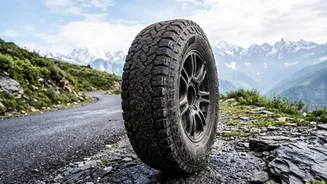
Your connection to the icy road is through your tyres, making them one of the most critical components. While dedicated winter tyres are ideal, at a minimum, your all-terrain (A/T) tyres should have excellent tread depth. More importantly, you must carry a set of steel snow chains that perfectly match your tyre size. It is mandatory to practice fitting them at home before your trip; figuring it out for the first time with frozen fingers is a nightmare you want to avoid. Chains should be installed on the drive wheels — for 4WD vehicles, fitting them on all four tyres provides the best control. Remember to never exceed 30-40 km/h with chains on.
Mastering the Art of Snow Driving
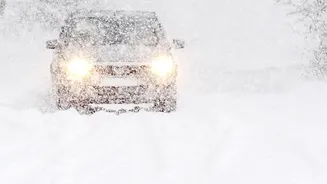
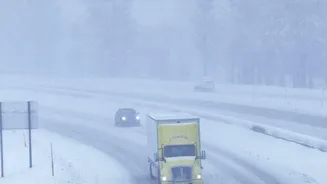
Driving on snow and ice is a completely different skill set. Every input must be smooth and deliberate. Accelerate gently, brake softly, and steer with gradual movements to avoid breaking traction. One of the biggest dangers is black ice, a transparent layer of ice that looks like wet tarmac. It's most common in shaded areas and on bridges. If you hit a patch, do not slam the brakes or jerk the steering wheel. Ease off the accelerator and keep the wheel straight until you regain traction. When descending steep slopes, rely on engine braking by shifting to a lower gear instead of constantly using the brakes, which can cause them to overheat and fail. A key rule of mountain etiquette is that vehicles travelling uphill have the right of way, as they need momentum to keep moving.
The Essential Survival Kit
Even with the best preparation, things can go wrong. Your in-car kit can be a lifeline. Beyond a standard first-aid kit, your winter emergency pack should include a tow strap, a shovel, and sand or cat litter for traction if you get stuck. Pack high-energy snacks like nuts and chocolate, and a thermos with a hot beverage. Most importantly, carry thermal emergency blankets. In a breakdown situation in sub-zero temperatures, staying warm is the first priority, and these Mylar sheets can be life-savers. Ensure your phone is always charged and carry a power bank. Inform someone of your exact route and expected arrival time.
Acclimatise, Hydrate, and Be Patient
The challenge isn't just for your vehicle; it's for your body too. Acute Mountain Sickness (AMS) is a serious risk at high altitudes, with symptoms including headache, nausea, and dizziness. The best prevention is gradual acclimatisation. Plan your itinerary to spend at least a day at an intermediate altitude (around 8,000 feet) before ascending higher. Avoid increasing your sleeping altitude by more than 1,000 to 1,500 feet per day. Stay well-hydrated by drinking at least 3-4 litres of water daily, and avoid alcohol, which worsens symptoms. Listen to your body; if symptoms appear, do not ascend further until you feel better.