






From Hype to Hard Facts
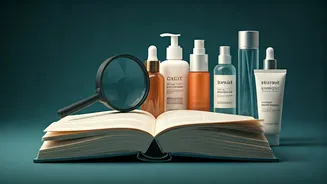
The days of being swayed by a beautiful bottle or a celebrity endorsement are fading. Today's consumer is more likely to be found scanning an ingredient list than admiring packaging. This shift marks the rise of the "skintellectual": a consumer who approaches
skincare with a scientific mindset. [1, 2] These shoppers aren't just passive users; they are educated researchers who want to understand the science behind their products. [2] They are trading vague marketing promises for evidence-based routines, demanding clinical proof and transparency from the brands they support. [1] In fact, three-quarters of US consumers agree that beauty brands should provide more scientific evidence to back up their claims. [7] This demand for efficacy is pushing the industry away from short-term trends and toward a future where verifiable, scientific credibility is king. [14]
The Rise of the 'Skin-tellectual'
So, what defines a 'skin-tellectual'? It’s someone who is knowledgeable about their skin's specific needs and the ingredients that can address them. [2] This movement, which has seen a 30% surge in popularity, is transforming the beauty industry by prioritizing science-backed skincare. [1] Instead of relying on influencer promotions, skin-tellectuals do their own research, analyzing ingredient lists to find clean, effective products that deliver real results. [4] They are more interested in the back of the package than the front. [4] This educated consumer is fluent in the language of active ingredients like retinoids, peptides, and vitamin C, and understands how to layer them for maximum impact. [1, 15] It's a move away from trial-and-error and toward deliberate, evidence-based purchasing. [10]
Budget-Conscious, Not Performance-Compromised
This ROI-driven mindset is also intersecting with economic pressures. As consumers become more value-conscious, they are actively seeking affordable products that don't compromise on performance. [11] For the first time in years, mass-market beauty sales are outpacing the prestige category. [3, 11] This isn't about simply buying the cheapest option; it's about smart spending. Shoppers are proving to be adept at mixing high and low, splurging on a high-performance serum with proven actives while saving on a basic cleanser. This savvy approach has led to a boom in so-called "dupe" products—cost-effective alternatives that offer similar qualities to premium items. [8] The modern shopper understands that a higher price doesn't always mean better quality; only 14% of US beauty buyers believe it does. [11]
The New Definition of Value
Ultimately, calculating skincare ROI is about defining value on your own terms. It starts with understanding that efficacy is paramount. [12] Consumers are demanding measurable vitality and are no longer satisfied with marketing claims alone; they want to see results. [18] This has led to a greater focus on longevity science and the biological causes of aging, moving beyond surface-level fixes. [7] The industry is responding with clinic-inspired actives and advanced delivery systems, like microneedle patches, designed to enhance ingredient efficacy. [7] Brands that can translate complex science into understandable and trustworthy results are winning the loyalty of this new generation of consumers. [7, 14] They are proving that the best investment is one that delivers on its promises.